Why is biogas not yet widely utilized? Challenges and potentials
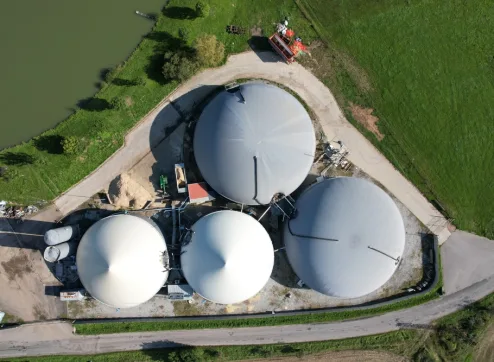
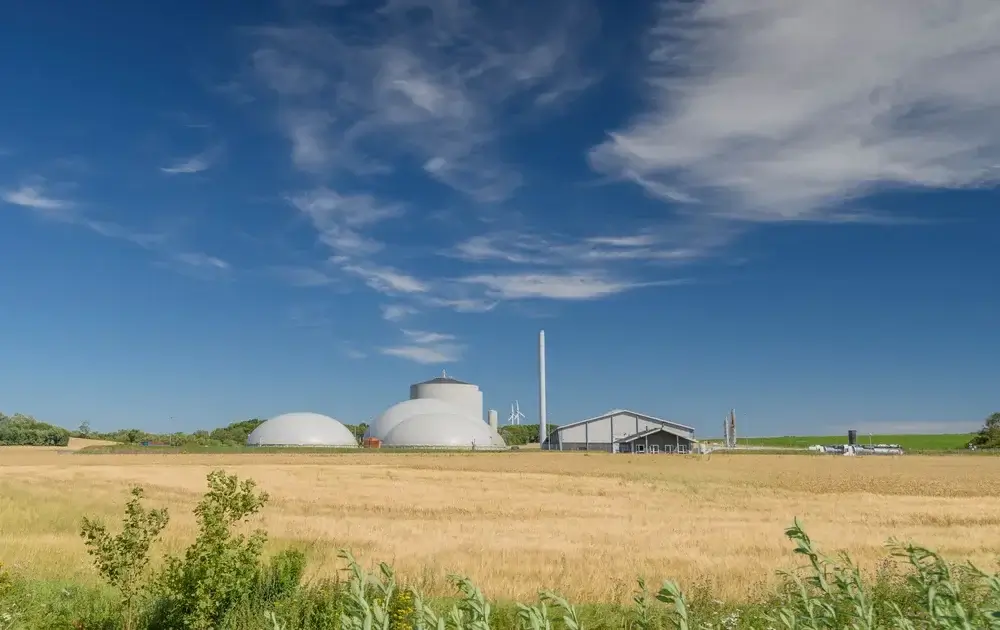
Biogas is often called a “sleeping giant” in the global energy transition. Its potential to turn waste into reliable, renewable energy is enormous. Yet, in many markets, its growth has stalled, and it is not as widespread as it could be.
This raises a critical question for operators and investors: If biogas is such a powerful solution, why is it not yet widely utilized? This article explores the real-world market barriers that are holding it back and the enormous, untapped opportunities that are waiting to be unlocked.
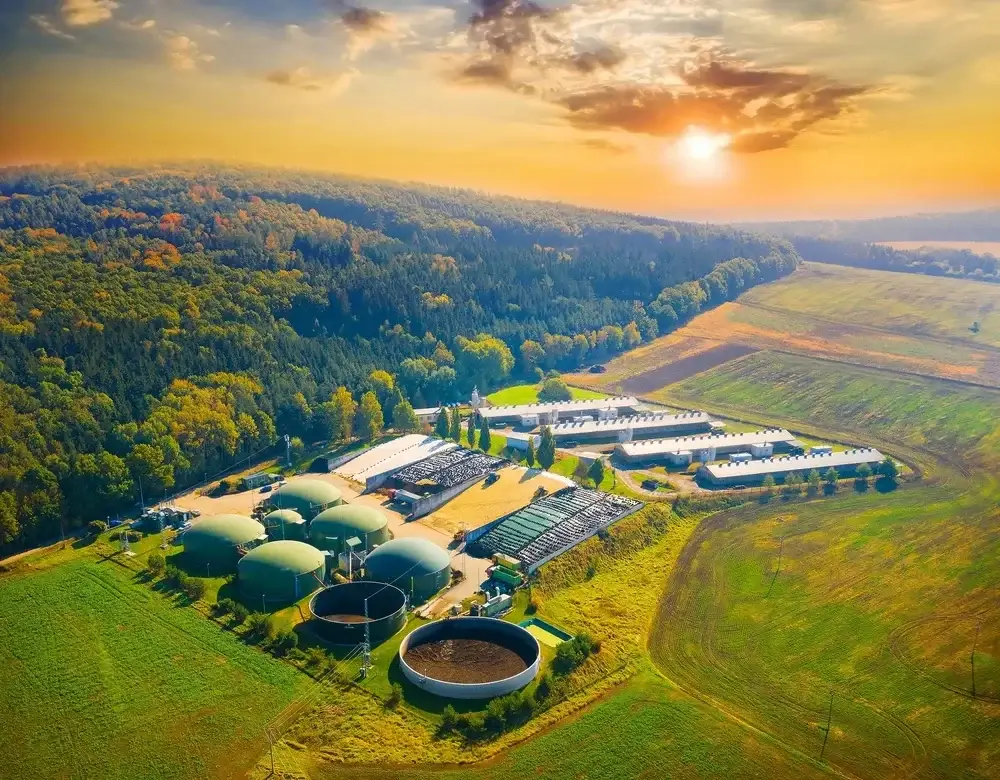
Biogas Plants: A Comprehensive Guide to Biogas Production
Our comprehensive guide to biogas plants. Learn how a biogas plant works, from anaerobic digestion in the digester to biogas production from organic waste, animal manure, and food waste.
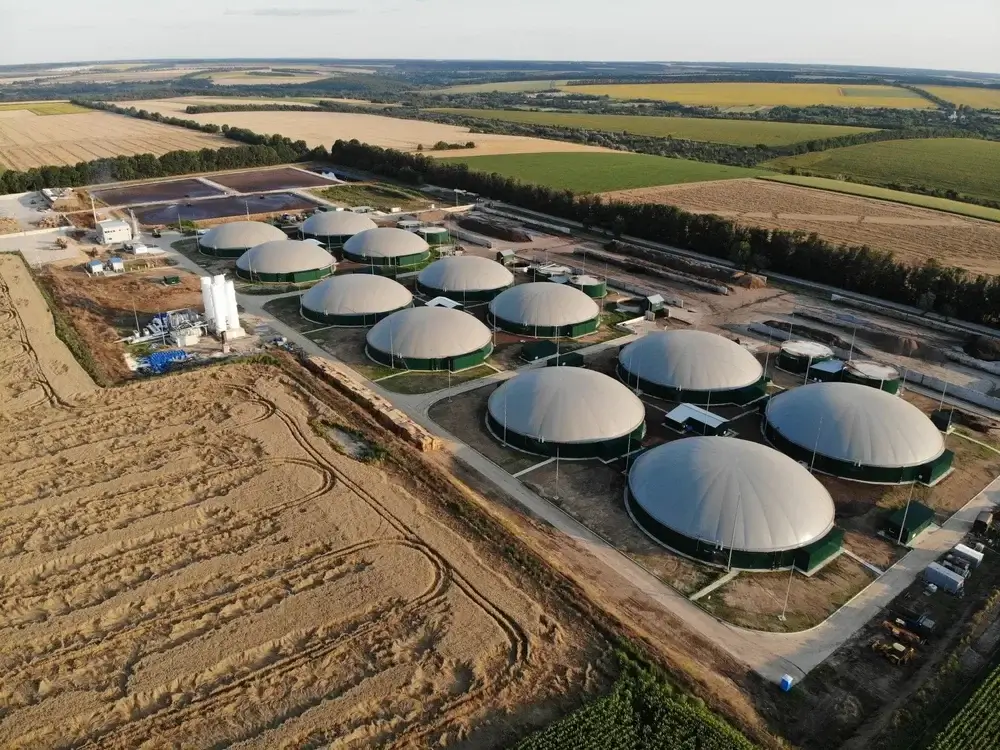
The Challenges of Biogas: Why Adoption Has Stalled
Despite its benefits, biogas faces four significant hurdles that explain its slow adoption.
Challenge 1: The Economic Viability and Subsidy Cliff
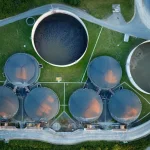
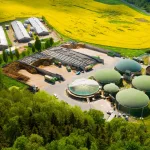
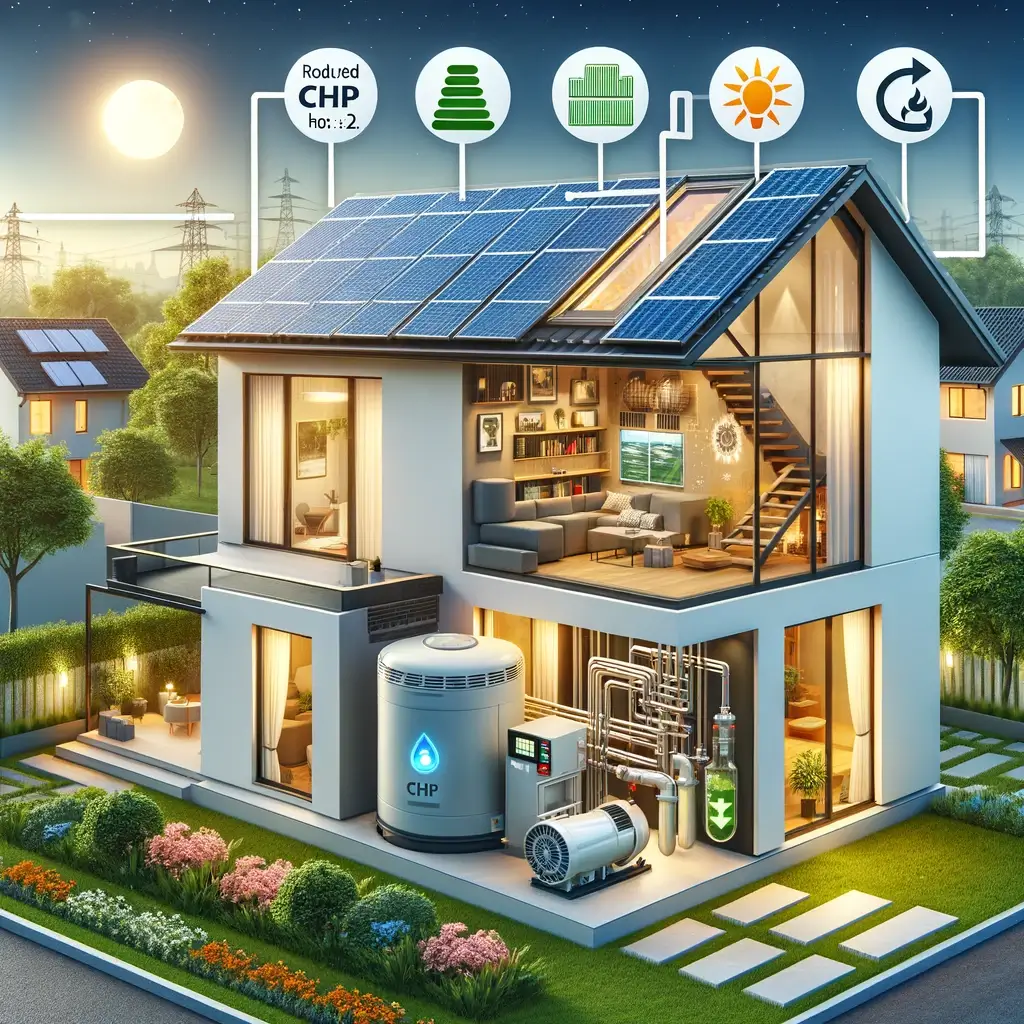
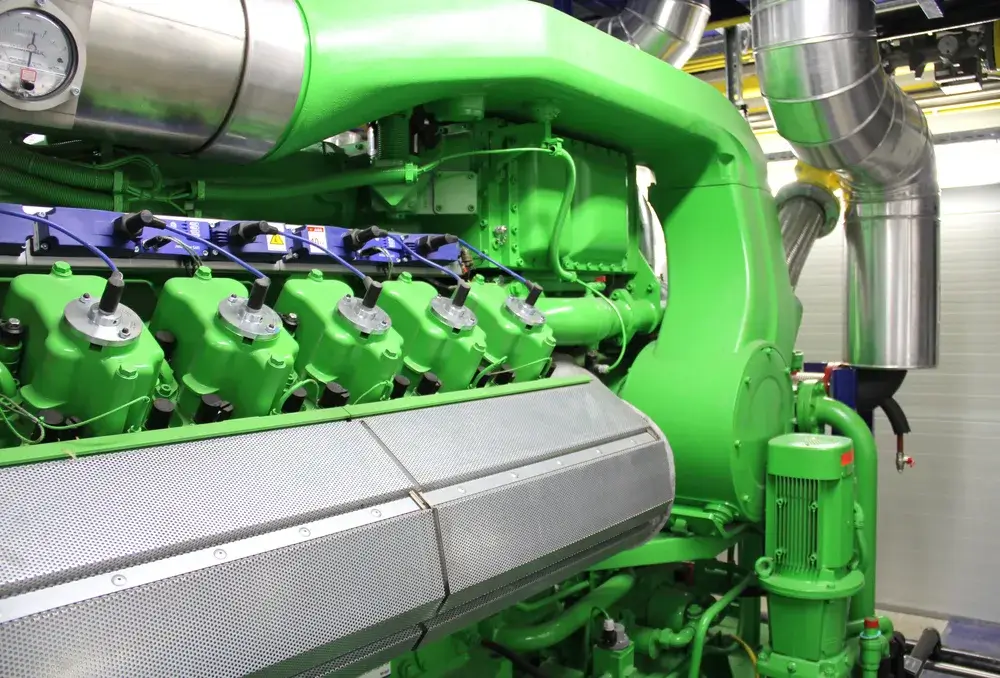
The primary challenge is economic. Biogas plants have high investment costs, not just for the large concrete fermenters but for the complex gas treatment systems and the expensive Combined Heat and Power (CHP) engine.
Historically, this investment was made viable by generous government feed-in tariffs, like the EEG in Germany. As these subsidies expire, many plants face a “subsidy cliff,” struggling to operate profitably in a competitive energy market.
Challenge 2: Operational Complexity and Technical Risks
This is the most critical operational pain point. A biogas plant is not a “set it and forget it” technology. It is a complex, 24/7 operation. The biology in the fermenter is sensitive and can crash due to changes in feedstock or temperature.
More significantly, the raw biogas itself is aggressive, wet, and corrosive. It contains hydrogen sulfide (H2S) and siloxanes that attack the gas engine, leading to frequent, high-cost maintenance and catastrophic downtime, which directly destroys the economic viability.
Challenge 3: Competition for Feedstock and Land Use
A biogas plant needs a constant, reliable supply of organic material. This creates a major logistical challenge and market competition. For agricultural plants, the “tank-oder-teller” (tank vs. plate) debate creates a significant social and political barrier.
It puts the cultivation of energy crops in direct competition with the cultivation of food, limiting the sustainable potential and availability of feedstock.
Challenge 4: Regulatory Barriers and Public Perception
While biogas is “green,” it can face local opposition. The planning and approval processes for new biogas plants are often long, complex, and bureaucratic, creating uncertainty for investors. Furthermore, the “Not In My Backyard” (NIMBY) phenomenon is a real challenge. Public concerns over potential odor emissions from feedstock storage or increased truck traffic for transport can often delay or halt projects.
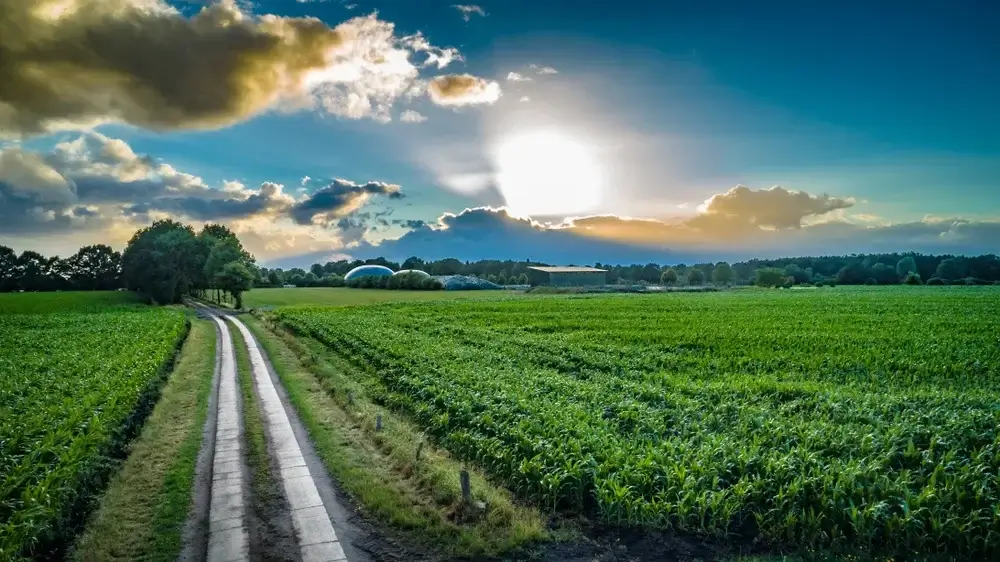
The Potentials of Biogas: The Untapped Opportunity
While the challenges are real, the untapped potentials of biogas are arguably even greater.
Potential 1: The Key to Grid Stability (The Flexible Power Plant)
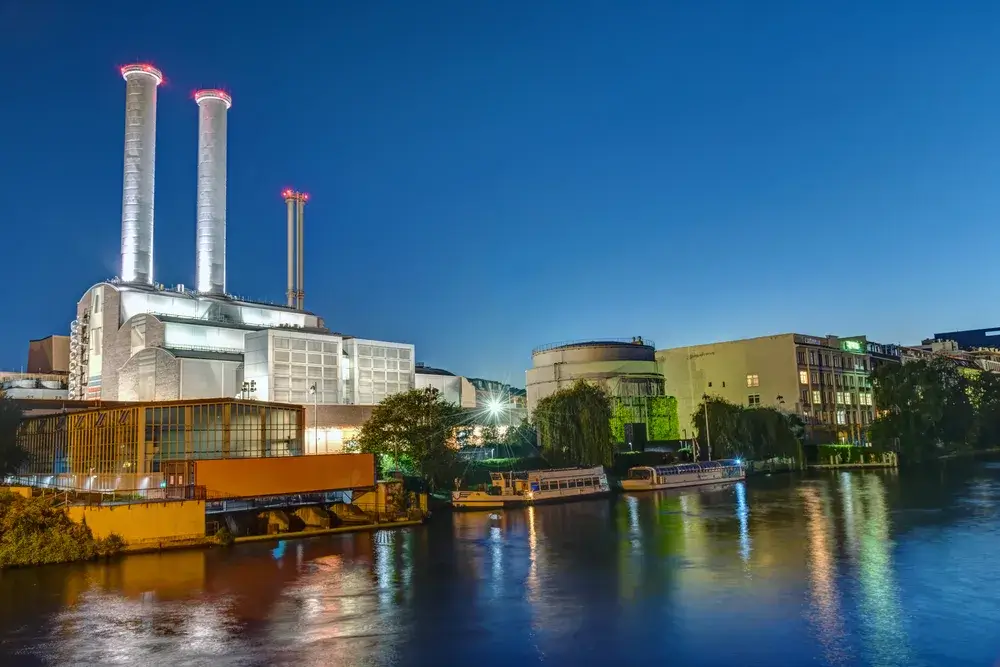
This is the greatest future potential. Unlike solar and wind, which are intermittent, biogas is storable. The gas can be stored and the CHP engine can be turned on when the grid needs it most—for example, at night or when the wind is not blowing. This makes biogas plants the perfect “flexible” power source to stabilize a renewable-heavy energy grid.
Potential 2: The Rise of Waste Valorization (Circular Economy)
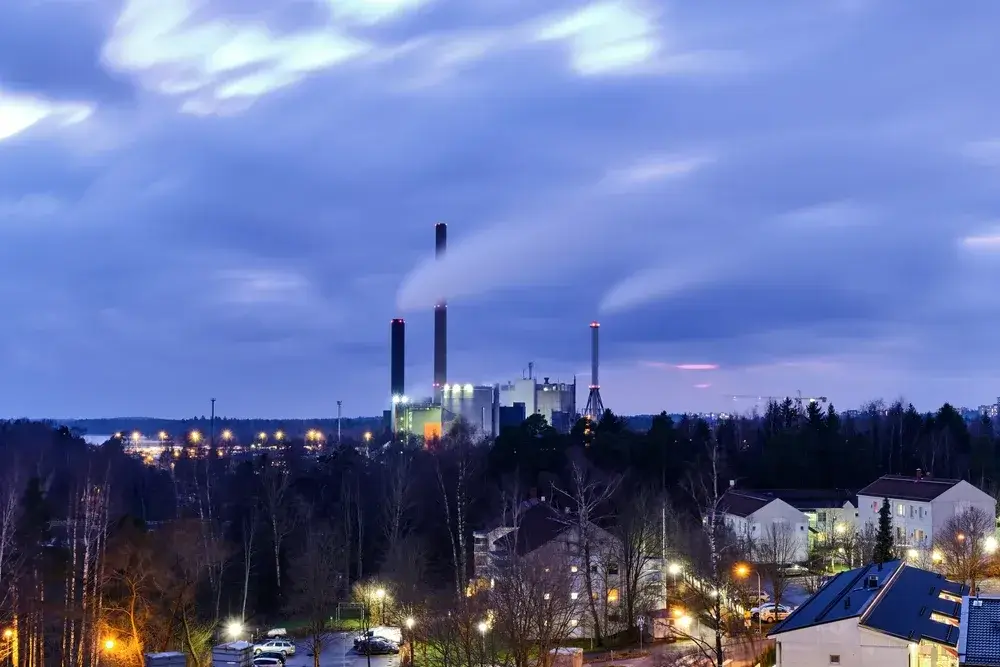
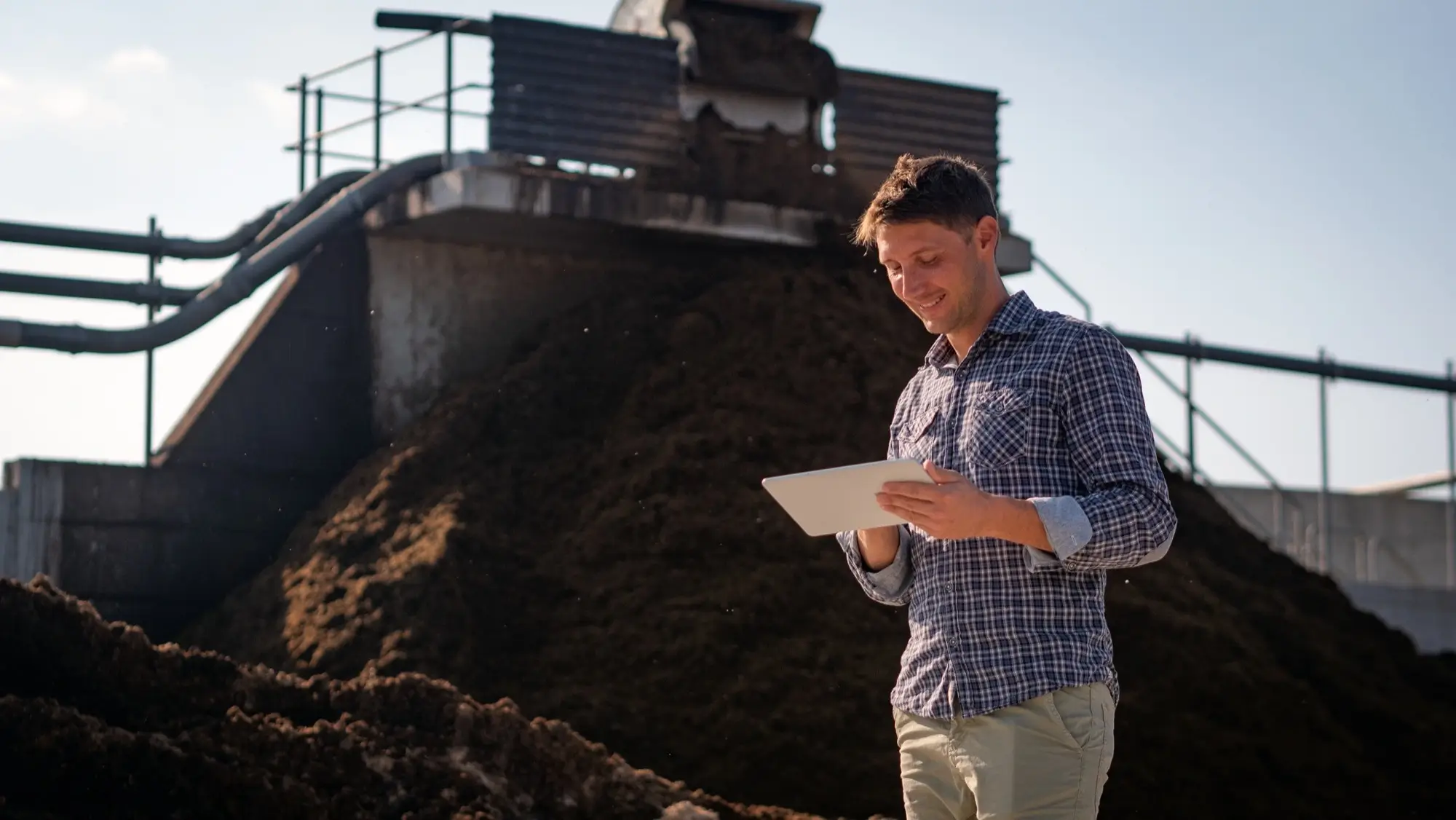
The future growth of biogas likely lies not in energy crops, but in “waste valorization.” The potential to process organic municipal waste, food scraps from supermarkets, and industrial sewage sludge is enormous.
This “waste-to-energy” model solves two problems at once: a growing waste problem for cities and a need for clean energy, creating a perfect circular economy.
Potential 3: Agricultural Integration and Rural Value Chains
This potential is key for rural economies. Biogas plants offer farmers a way to create a new, stable revenue stream and manage their agricultural residues (like manure and slurry) more effectively.
This decentralized energy generation strengthens rural value chains, creates local jobs, and reduces the farm’s carbon footprint and reliance on expensive chemical fertilizers.
Potential 4: Decarbonizing Transport with Biomethane
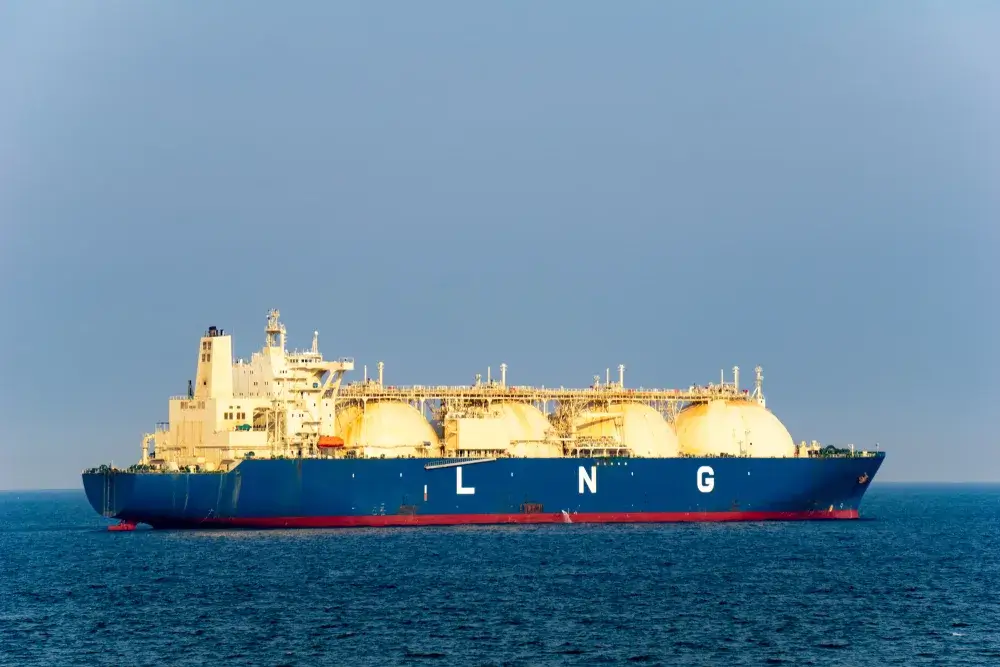
The potential of biogas is not limited to electricity. When raw biogas is “upgraded” (purified) into biomethane (Renewable Natural Gas), it becomes a powerful, clean fuel. This biomethane can be injected into the natural gas grid or used as a vehicle fuel.
It holds one of the greatest potentials for decarbonizing “hard-to-abate” sectors like heavy-duty trucking and shipping.
How PowerUP Unlocks the Potential<>Biogas by Solving the Challenges<>Biogas
The enormous “Potentials” of biogas are currently being blocked by the very real “Challenges.” The greatest controllable barrier is the combination of Challenge 1 (Economic Viability) and Challenge 2 (Technical Risk). A plant is not profitable if it is constantly breaking down.
This is where PowerUP’s expertise becomes the solution. Technology is our drive, efficiency our focus. PowerUP is the partner that secures the profitability (Challenge 1) by solving the technical complexity (Challenge 2). We make biogas plants viable and future-proof for the competitive, post-subsidy market.
Our high-performance gas engine spare parts for Jenbacher and MWM engines are not standard—they are specifically engineered to withstand the aggressive raw biogas that is the root cause of Challenge 2.
They reduce your maintenance costs, eliminate unplanned downtime, and lower your “Total Cost of Ownership.” PowerUP de-risks the technical operation so you can confidently unlock the full economic “Potential” of your biogas plant.