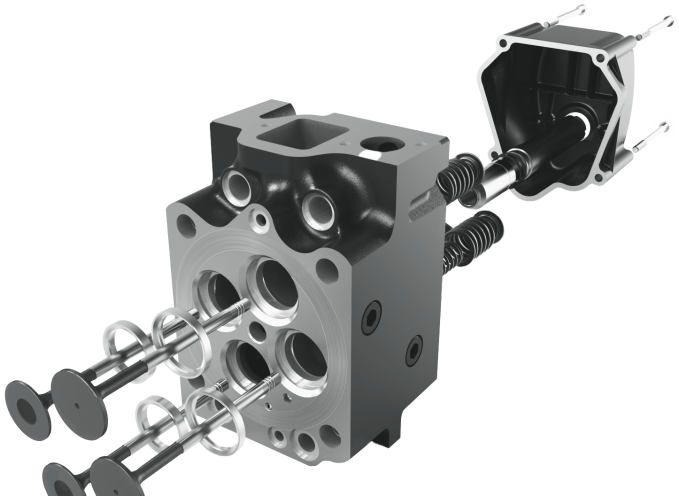
Captive Power Plants
What is a Captive Power Plant? In this category of the PowerUP blog, we dive deep into the world of company-owned power plants, allowing businesses to take control of their own energy supply. Discover the technologies, benefits, and challenges associated with operating and maintaining these independent energy sources. We highlight how Captive Power Plants contribute to securing energy efficiency and reliability, and their role in sustainable business management.
Latest!
What is Captive Power Generation? – Your Path to Energy Sovereignty
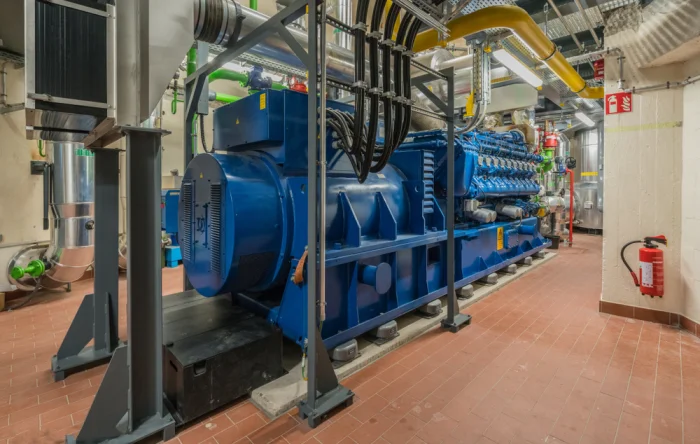
What is Captive Power Generation? It is the strategic shift from buying power to making it. Learn how on-site generation secures your production, lowers costs, and drives sustainability in modern industry.
Browse category
IPP? CPP? What do these abbreviations mean, and what are the differences?
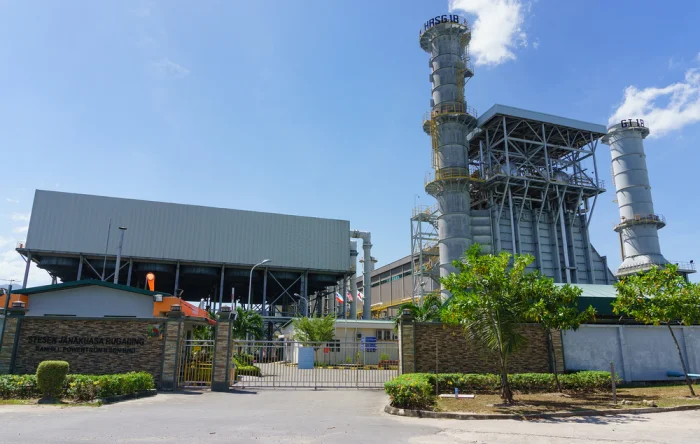
IPP or CPP? One business model saves money, the other generates revenue. We explain the difference between Independent Power Producers and Captive Power Plants simply and clearly.
Captive Power Plants vs. CHP Plants – What is the difference?
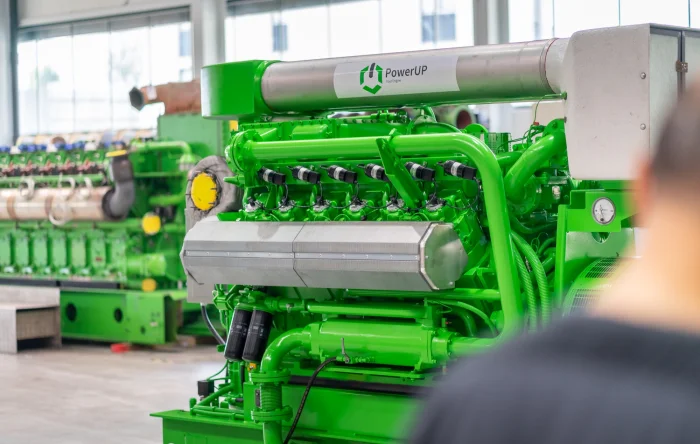
Do you know the difference between Captive Power Plants and CHP? While one ensures energy independence, the other maximizes efficiency to over 90%. Learn which solution fits your industrial needs and how PowerUP supports both.
The Advantages of Captive Power Plants: Why Energy Independence Pays Off
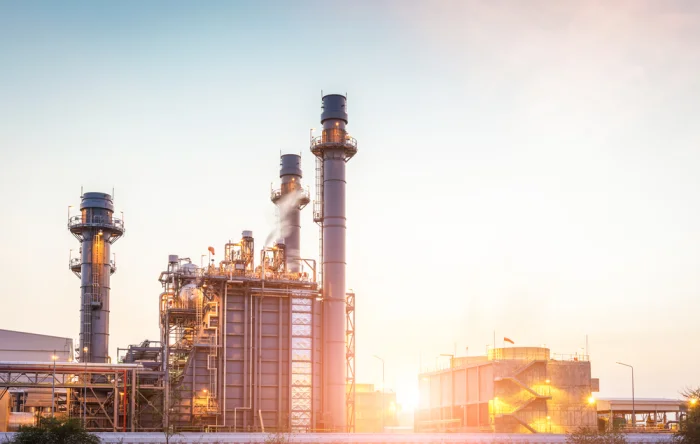
Why rely on an unstable grid? The advantages of Captive Power Plants range from massive cost savings to total energy independence. Discover how on-site generation protects your production and boosts your bottom line.
Everything you need to know about Captive Power Plants – The Ultimate Guide to Energy Independence
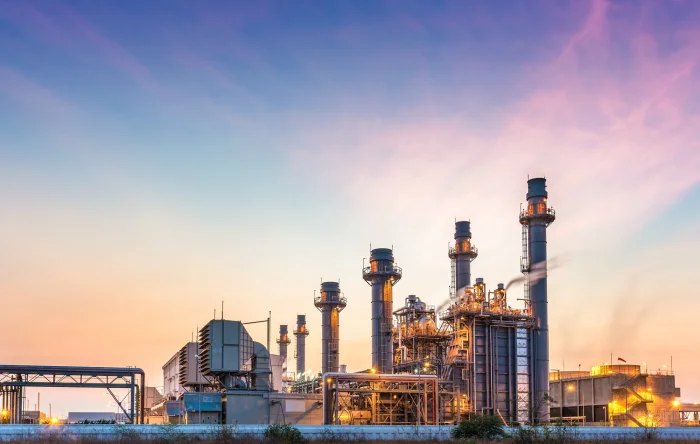
Energy independence is no longer a buzzword—it is a survival strategy. Discover everything about Captive Power Plants (CPP): from cost efficiency and grid independence to the difference between IPP and CHP. Learn how PowerUP secures your energy supply.
Subscribe to the PowerUP Innovation-Letter
Get the the latest innovations and upgrades regarding gas engines delivered to your inbox each month.