Data Centers in Focus: The Economic Importance and Energy Demand of Modern Data Centers

Digital transformation is no longer an abstract, futuristic concept but the hard currency of the global economy. Whether streaming services, financial transactions, cloud services, or the rapidly expanding world of artificial intelligence (AI) – behind every click and every calculation is a physical reality: the data center (internationally: Data Center).
But these cathedrals of data processing—what we call modern data centers—are facing a historic challenge. Energy demand in data centers is exploding, while tolerance for failures is approaching zero.
Experts predict that global power consumption by data centers will rise severalfold by 2030 due to data‑intensive AI applications and big data, pushing networks worldwide to their limits. The integration of artificial intelligence technologies further accelerates this trend, as training complex models demands enormous resources.
For data center operators, this means that ensuring the energy supply is no longer merely a technical issue but a strategic matter of survival. A single power outage in a data center can not only cost millions in lost revenue but also irreparably destroy customers’ trust in data security.
Amid the tension between rapidly growing data volumes and limited resources, the IT infrastructure in the data center becomes critical to the company’s success. Gas engines play an important role in ensuring independence from the power grid.
At PowerUP, our principle is: Technology drives us; efficiency is our focus.
With this aim, this comprehensive guide examines all facets of modern data centers – from complex data center architecture and autonomous power generation using gas engines to specialized maintenance solutions that eliminate unplanned downtime.
We’ll show you not only how to keep your data center infrastructure running, but also how to turn it into a real competitive advantage. In a world that never sleeps, the availability of your data center is the most important currency.
Global standards as the digital backbone of the data centre
The foundation of every high-performance data center is its architecture. It’s not just about servers in a room, it’s about complex ecosystems within data centers that must be scalable and energy-efficient.
Thoughtful planning determines a data center’s eventual energy efficiency (PUE value) and its flexibility during peak loads, even before commissioning. Physical conditions and digital requirements must harmonize perfectly to minimize latency and maximize computing power in the data center.
Building a Data Center
A modern data center resembles a highly complex organism, with every detail optimized for redundancy and efficiency. The architectural planning and construction of a data center are guided by a strict logic designed to process workloads efficiently while ensuring physical security.
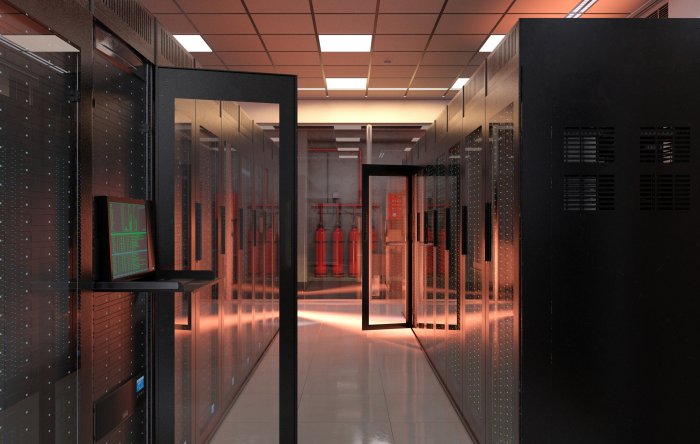
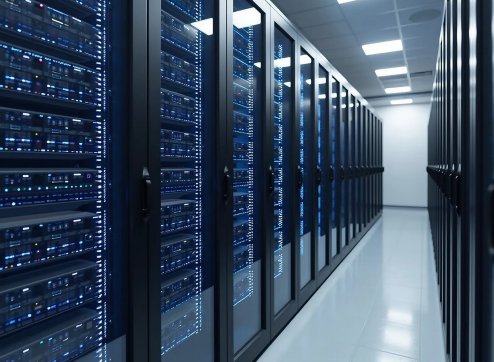
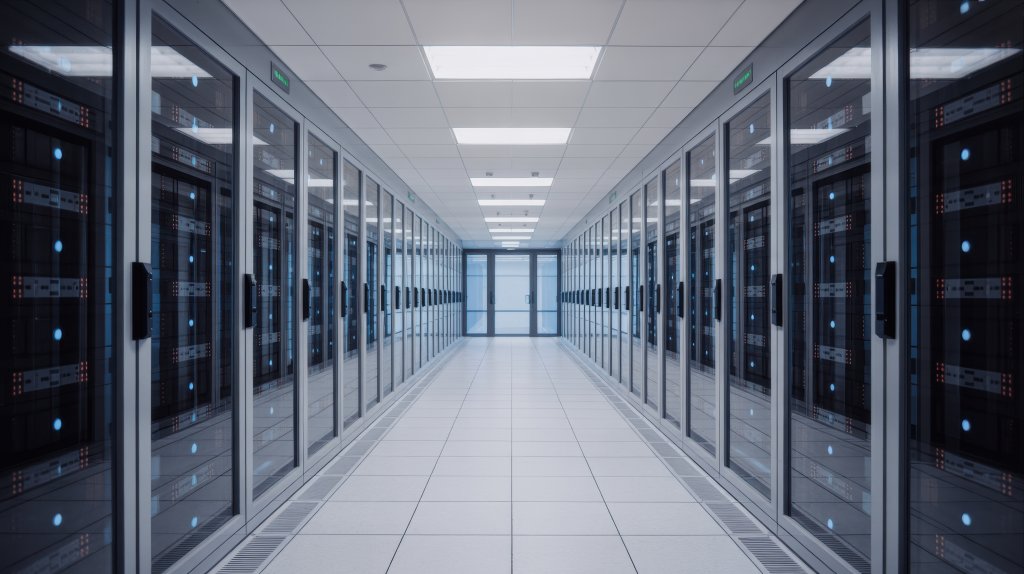
It starts with the intelligent arrangement of racks in the data center’s server room, where concepts such as cold- and hot-aisle containment ensure that cold supply air does not mix with the hot exhaust air from the servers.
This significantly improves the efficiency of the cooling systems and reduces energy consumption in the data center, as the air conditioning system needs to provide less capacity to maintain the same temperature. Redundant cabling along separate routes is also essential to ensure that, even in the event of physical damage to a line – for example due to construction work – the data flow in the data center is never interrupted.
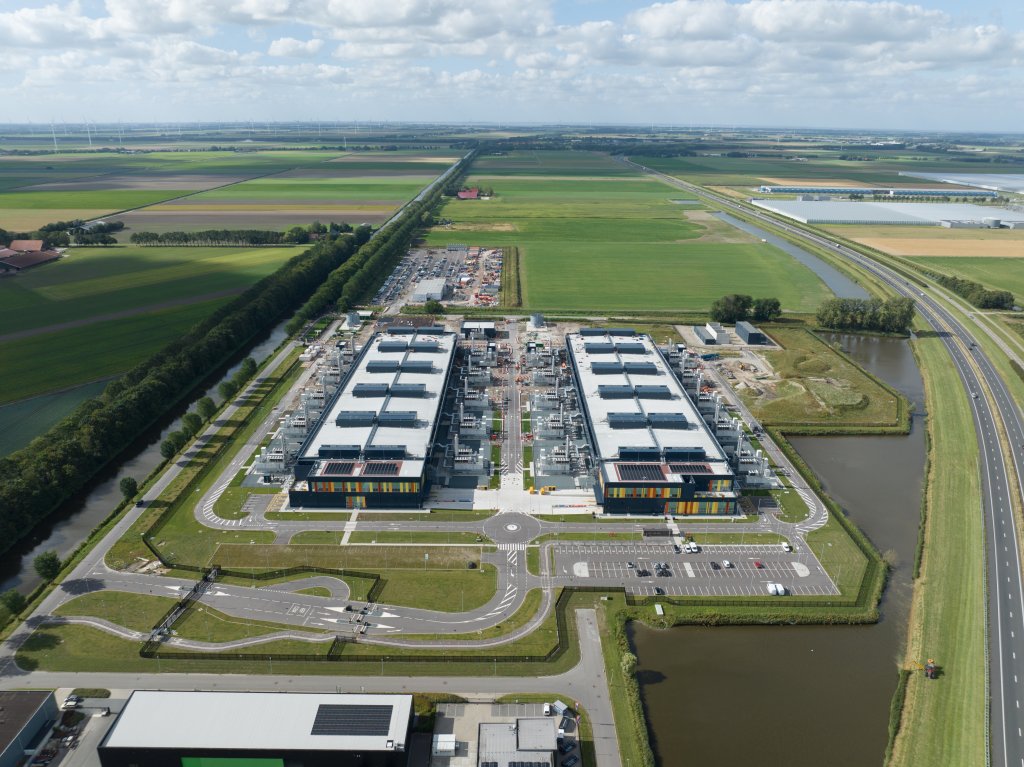
The structure of each data centre consists of the following core areas, which must integrate seamlessly with one another:
- White Space: The operational heart of the data center. In this area, the IT infrastructure—servers, storage systems, and networks—is housed. Because every square meter counts, a high power density per rack is essential, enabled by innovative cooling and scalable concepts.
- Gray Space: The vital zone for infrastructure. Cooling systems, UPS units, and stationary CHP plants are located here, securing the White Space. Without the equipment in the Gray Space, an immediate shutdown is likely in the event of a power outage – redundancy is the foundation of reliability.
- Meet-Me-Room (MMR): The physical hub of the data center. This is where fibre-optic connections and Internet backbones converge. A well-connected MMR ensures low latency and highly redundant external connectivity, protected by stringent physical and digital security measures.
The organizational structure of a data center
Beyond the hardware architecture itself, clear structures and responsibilities are the main factors in ensuring a data center runs smoothly and responds quickly in a crisis.
Three main gears mesh in the organization of data centers, with the interfaces between them often the most critical points:
- System technology provides the physical foundation in the data center and is responsible for cabling, rack installation, and hardware replacement.
- Systems management handles maintenance of the software layers, manages virtual machines, and applies security updates to protect the data center from cyber threats.
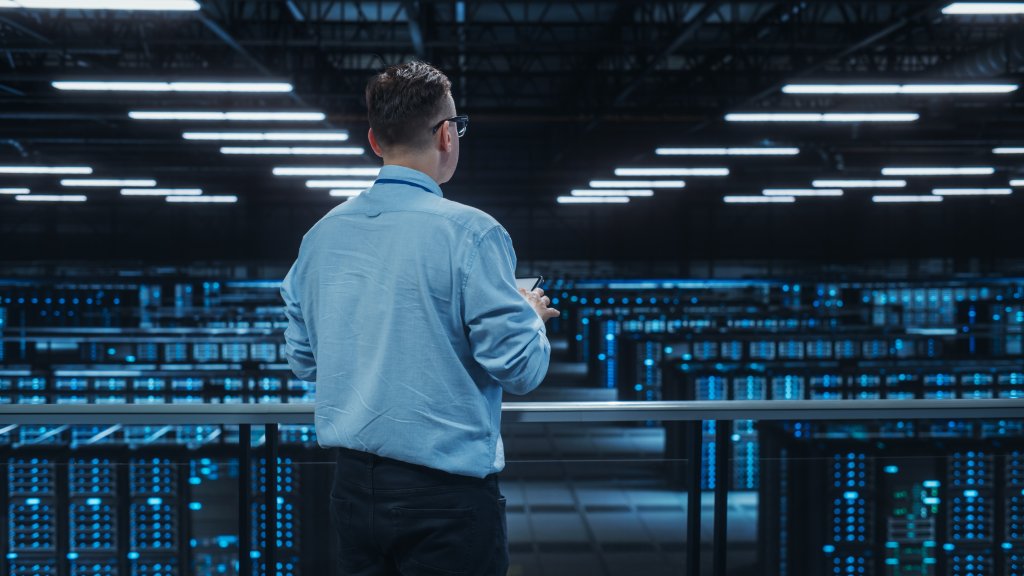
- Finally, the operations team monitors the IT systems 24/7 through dashboards and proactively responds to anomalies in the data center before they lead to disruptions.
Only when these departments communicate seamlessly and clear escalation paths are defined can managed services, external cloud solutions, and colocation offerings reliably meet their stringent data center service-level agreements (SLAs) and avoid penalties. Working with specialized third-party maintenance and service providers is often the key to achieving that efficiency.
The 5 most important data centers in the world
While thousands of smaller data centers exist, global capacity is increasingly dominated by a handful of “mega-campus” facilities. These giants define the upper limit of what is technically feasible and serve as a blueprint for efficiency and scalability. To understand their scale, it’s worth taking a look at the industry’s technological spearheads:
- The Citadel Campus (Switch, USA): In the Nevada desert, this campus sets new standards for security and sustainability with its Tier-5 Platinum rating. It is 100% powered by renewable energy and is regarded as a stronghold of digitalization.
- China Telecom Inner Mongolia Information Park: In terms of sheer size, this giant dominates. Its strategic location uses the cool climate for efficient free cooling and thus dramatically reduces energy consumption.
- Utah Data Center (NSA, USA): A symbol of absolute reliability. To ensure continuous operation of its massive 65 MW of computing power, the facility has backup power capacity that could supply entire small towns.
- Google Data Center Hamina (Finland): A masterpiece of resource efficiency. Google has repurposed a former paper mill and cools its servers with seawater from the Gulf of Finland – a perfect example of intelligent reuse of infrastructure.
- Meta (Facebook) Prineville Data Center (USA): The birthplace of the “Open Compute Project.” Here, hardware has been radically streamlined and optimized for efficiency, much like how we at PowerUP optimize motor components for maximum performance.
What Google, Amazon, and Microsoft Teach About the Future of Data Center Power Supply
The “Big Three” (Microsoft, Google, Amazon), along with technology pioneers such as IBM, are defining the future of the data center industry and have long since stopped being merely electricity consumers, instead acting as active designers of their data centers’ energy systems. The most important lesson of their strategies is clear: independence from the public grid is the new gold for every data center.
Whether Microsoft’s data centers with their experiments in underwater facilities (Project Natick), which use the ocean’s natural cooling, or Google’s data centers with AI-controlled cooling, which optimizes the data center’s power consumption in real time — they all strive for self-sufficient, green energy.
They invest heavily in PPAs (Power Purchase Agreements) and in on-site power generation for their data centers to hedge against price fluctuations. In doing so, they are increasingly turning to modern gas engines that are already H2-ready to bridge to the hydrogen era and to combine supply security for their data centers with climate protection.
Market researchers such as Gartner also emphasize that many companies are shifting from purely on‑premises solutions to more flexible models. Whether public cloud, private cloud, hybrid cloud, or complex multi‑cloud environments, the energy supply must be stable in every scenario.
Gas engines as a lifeline for secure power supply
Without electricity, no data, no transactions, no digital life. The energy supply is the most critical element of any data center infrastructure and tolerates no errors in a data center’s operation, since network outages cause immediate financial losses.
Stationary CHPs as a Stable Foundation for Data Centre Power Supply
The public grid alone simply does not provide the necessary security for 99.999% availability in a data center, especially given the increasing instability caused by renewable generation. In this context, stationary combined heat and power (CHP) units and gas engines have evolved from mere emergency generators into a fundamental backbone of data centers’ energy strategies.
In regions with unstable grids, they often provide the base load (Prime Power) for the data center or cover expensive load peaks (Peak Shaving) to substantially reduce grid charges and keep data center operating costs predictable. This ensures a power supply for the data center that remains stable regardless of external grid fluctuations.
Especially for edge computing sites, which often operate as decentralized data centers far from stable high-voltage grids, these power plants are essential to keep latency low and enable local data processing.
The key role of gas engines in ensuring resilient power for data centers
Resilience means resistance to external shocks and the ability to return immediately to normal operation after disruptions in the data center. The key advantage of gas engines for data centers is their ability to provide power indefinitely as long as fuel is available—unlike batteries in the data center, which can often only bridge minutes and are primarily intended for load transfer.
Unlike intermittent renewable sources such as wind or solar, a gas engine is fully controllable for the data center and can be ramped up within minutes (fast ramp-up). It reliably steps in when the grid fails or during periods of low renewable output, thereby securing the data center’s computing capacity for critical applications such as hospitals, financial systems, or traffic control, where any outage in the data center can be life-threatening.
Fail-safe operation in the data center through precise gas engine maintenance
An engine in a data center is only as reliable as its last service, and neglect often leads to a “failure to start” at the worst possible moment. At PowerUP, we therefore regard precise maintenance of gas engines as one of the most important factors for true data center resilience. Standard maintenance plans for data center generators often miss the mark: backup generators run infrequently but still age. We do not rely on rigid intervals; instead, we analyze oil condition, vibration, and operational data to assess the engine’s true condition in the data center.
Condition-based maintenance offers significant benefits for data centers:
- Avoiding unplanned downtime in the data center: Potential problems, such as bearing wear or misfires, are detected before they cause catastrophic failures, improving the reliability of the entire system.
- Cost reduction for the data center: Expensive components are replaced only when they are actually worn out, not on a fixed calendar schedule; this protects the data center’s budget and prevents unnecessary material waste.
- Maximum availability: The engine is guaranteed to be ready when the data center’s Uptime Institute Tier level is put to the test or an emergency occurs, giving the operator assurance during audits.
Unifying efficiency and sustainability with Green IT
Cost pressures are rising due to volatile energy prices, and environmental responsibility is increasing because of ESG criteria for data centers. Energy efficiency is the key to the economic survival of every data center and to societal acceptance in a climate-conscious world.
Efficiency upgrades as a key to reducing high energy costs in the data center
Electricity is the largest cost component in a data center’s operating expenses (OPEX), often accounting for up to 50% of total costs. To sustainably reduce high energy costs in the data center, you must address the root of electricity consumption: the efficiency of power generation.
Through targeted efficiency upgrades for data center engines, such as optimizing the air–fuel mixture, adopting more modern ignition systems, or improving turbocharger configurations, the electrical and thermal efficiency of existing engines in the data center can be significantly increased.
This not only drastically reduces electricity costs but also improves the PUE (Power Usage Effectiveness), the primary metric for a data center’s energy efficiency, thereby increasing appeal to environmentally conscious customers and helping to operate the data center more efficiently.
Sustainable Green IT in the data centre using alternative fuels
Sustainability is not a temporary trend but an obligation for data center investors and customers, who are increasingly demanding climate-neutral supply chains. The path to Green IT is a consistent shift away from the dirty diesel image toward cleaner solutions for data centers.
Gas engines have the major advantage that they can already run on biogas, synthetic fuels (e‑fuels), or significant hydrogen blends without having to replace the data center’s entire IT infrastructure.
This will make green data centers a reality—CO₂-neutral and actively contributing to the energy transition rather than merely being consumers, and it will also protect them from future CO₂ pricing.
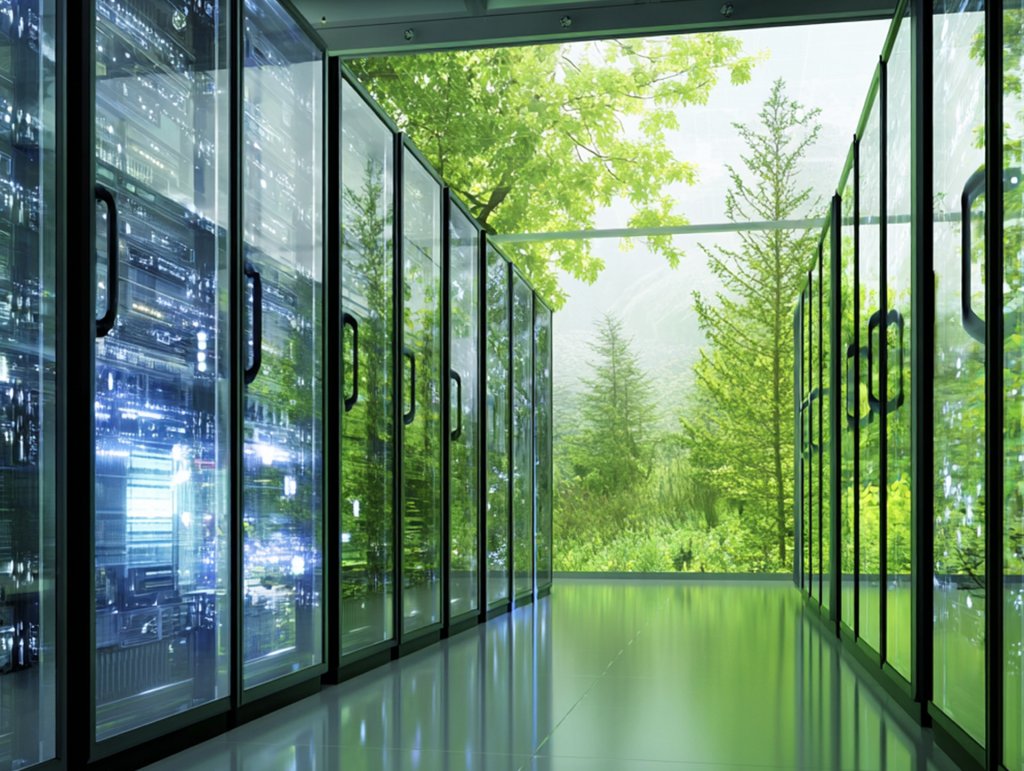
Waste heat utilization and the role of air conditioning in the data center
An often underestimated potential in the data center is the thermal energy produced as “waste” during power generation. Since cooling is the second-largest energy consumer in the data center, waste heat recovery and air conditioning are closely linked and offer substantial synergies.
A CHP in the data center produces electricity and heat simultaneously; via absorption chillers, this heat can be converted by physico‑chemical processes into cooling for the data center’s air‑conditioning system (combined heat, power, and cooling).
This transforms an undesirable waste product into a valuable resource, significantly cutting the electricity costs of the data center’s electric coolers and dramatically improving the facility’s overall energy balance.
Compliance with the laws and standards (e.g., KWKG, EEffG) in the data center
Legislators are scrutinizing data centers and demanding increasingly stringent documentation of energy flows to meet national climate targets. Compliance with current laws and standards for data centers is complex and, if not met, can entail significant financial risks and reputational damage.
The Energy Efficiency Act (EEffG), for example, explicitly requires new data centers to use waste heat; otherwise, there is a risk of fines or a halt to approvals for expansion projects.
PowerUP proactively advises data center operators to make their facilities compliant not only to avoid penalties but also to take full advantage of government subsidies, such as the CHP surcharge for the data center, thereby shortening the payback period of investments.
Comprehensive risk management for maximum security
A data center must be prepared for internal and external threats, whether heat, emissions, or fire. A holistic security concept is indispensable for every data center to justify the “trust” of customers.
How to Avoid Overheating and Thermal Stress in Data Center Operations
Heat is the insidious enemy of electronics and mechanical components in the data center, often causing material fatigue that goes unnoticed. To reliably prevent overheating and thermal stress during data center operation, room cooling for the servers alone is not sufficient; you must also eliminate the “hotspots” in the server room.
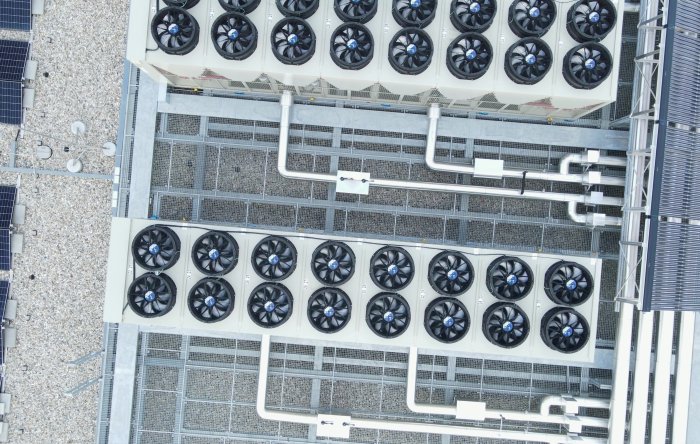
Engine cooling is also vital, because CHP units in the confined space of a data centre radiate enormous amounts of heat that can build up. Excessive thermal load on the gas engine causes efficiency losses and accelerates component aging.
We optimize cooling systems, ventilation systems, and emergency cooling units in the data center so that neither servers nor generators succumb to heat, even on the hottest summer days when outdoor cooling reaches its limits.
Meet NOx limits and efficiently reduce emissions
Clean air is essential, especially in urban areas with many data centers, where residents are sensitive to exhaust fumes. Emission reductions and compliance with the MCP guideline’s strict NOx limits are often required for data center operating permits.
With modern SCR (Selective Catalytic Reduction) catalysts and precise engine control, we reliably meet these limits without throttling data center performance or excessively increasing back pressure in the exhaust system. PowerUP’s compliance solutions protect data center operators from decommissioning orders from environmental authorities and ensure the site’s long-term viability.
Physical security, fire protection, and emergency management in the data centre
Not only are hackers a threat to data security and integrity in the data center; physical incidents often cause the greatest damage. A comprehensive approach to physical security and fire protection in the data center protects hardware from severe damage such as fire or water damage.
This includes highly sensitive early fire detection (RAS) that can detect smoke particles at very low concentrations, and gas-extinguishing systems (e.g., Novec or Inergen) that extinguish fires in the data center without damaging sensitive electronics or engine components.
In addition, physical security systems and firewalls are used to control both digital and physical access.
It is also important to comply with GDPR for data storage and to hold relevant certifications, such as ISO 27001, which demonstrate the quality of the management system. Concepts specifically tailored to engine rooms and strict access controls form the foundation. When supplemented by regularly rehearsed contingency plans, you create the best conditions to maintain operations and data backups even in times of crisis. That way, your team will know what matters in an emergency.
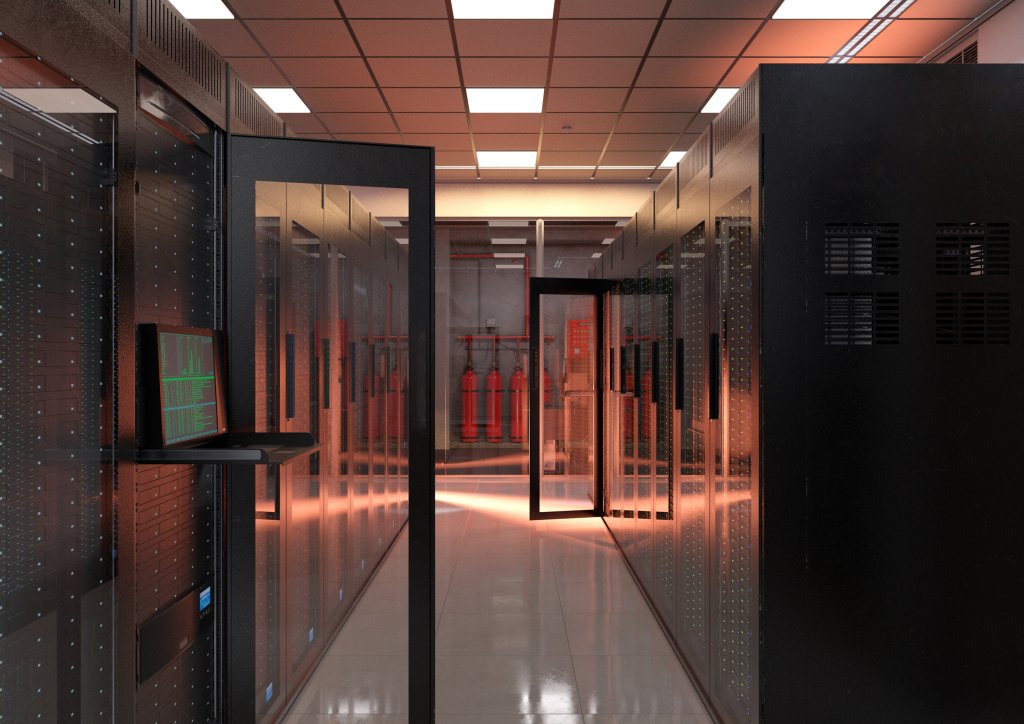
Maximum uptime with spare parts and technology for the data center
When the going gets tough and the technology in the data center goes on strike, speed and detailed technical knowledge matter more than any contract. Paper is patient; a stopped motor costs money.
Strategic spare-parts provisioning to prevent critical downtime in the data center
Waiting for spare parts in an emergency not only leads to financial losses but can also damage your reputation. This is a risk we want to minimize together with you through proactive planning.
Our goal is a strategic spare-parts supply that begins precisely where conventional supply chains often reach their limits. Instead of encountering bureaucratic hurdles, you benefit from PowerUP’s warehousing, which is tailored to your specific needs.
We do everything we can to get critical components up and running as quickly as possible to support the availability of your gas engines and ease the burden on your UPS systems.
Maximum reliability through cylinder-head optimization
The cylinder head is the most highly stressed component in a data center’s gas engine, as it must withstand extreme pressures and temperature fluctuations, especially during frequent start-stop cycles.
For data center operators, an uninterrupted power supply is the absolute foundation of daily success. An unexpected valve failure presents a significant risk that often leads to weeks of downtime and high costs.
We have specifically enhanced our cylinder heads to make them suitable for use in Jenbacher® and MWM® engines, providing optimal protection against such scenarios. By using durable materials and an optimized valve-guide geometry, we help extend your operating hours and noticeably lengthen the intervals between top-end overhauls.
With this improved robustness, we aim to minimize the risk of major engine damage and enhance the long-term reliability of your infrastructure. Our products are suitable for use in Jenbacher® and MWM® engines, but are not original parts from the manufacturers mentioned.
Improved economic efficiency through upgrades and refurbishment
New isn’t always better, especially when budget and lead times for new systems in the data center are limited. Intelligent data center operators rely on the second life cycle of their assets to reduce CAPEX and optimize OPEX.
Extend the service life of stationary gas engines with a general overhaul
After 60,000 operating hours, data center operators face a decision: invest or scrap? A general overhaul of stationary gas engines used in data centers is often the wiser and more economical option to extend the plant’s life without requiring new building permits.
In our specialized workshop, we fully reset the gas engine to zero hours, often using components suitable for equivalent engines that match or exceed the original’s quality.
This guarantees the data center an additional lifecycle of full performance and efficiency at a fraction of the cost of purchasing new equipment, conserving resources and easing budgetary pressure.
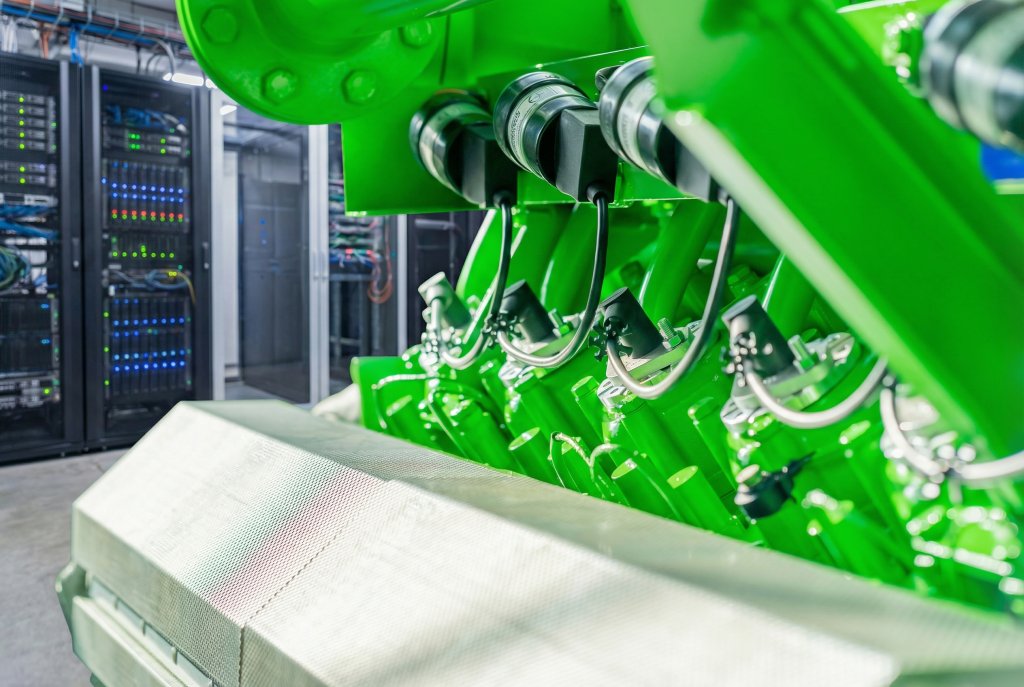
A second life for engines through acquisition and refurbishment
The market for used generator sets for data centers is growing rapidly, as delivery times for new engines are often 12 months or more – time you don’t have in the growing colocation market.
Our Second‑Life concept for the purchase, sale, and refurbishment of data center gas engines enables operators to monetize old units or to acquire refurbished engines cost‑effectively, allowing them to quickly expand capacity in the data center.
The right complete overhaul, from the short block to the genset
There is no one-size-fits-all solution for data center overhauls; each situation requires a different strategy depending on local conditions and the available time window.
We analyze your needs in detail to find the right option for your data center: is the fast, cost-effective replacement of the engine’s short block (short block) enough to get the machine back up and running? Or do you need a fully prefabricated genset (“Plug & Play”) to minimize on-site replacement downtime to a few hours, since every moment of downtime in the data center is critical and redundant IT systems cannot run indefinitely?
Digitalisation and knowledge transfer in the data centre
Technology requires control and understanding; otherwise, the potential of the data center will remain untapped. Digitization makes the engine transparent and turns data into decisions, which is especially crucial for cloud-native applications.
AORA and EDI: maximum flexibility and real-time monitoring in the data center
Within a data center’s sensitive infrastructure, outdated control systems are often an opaque component. Without clear early-warning systems, technical irregularities frequently remain hidden until an incident occurs.
With our retrofit solutions AORA and EDI, we restore your full control and meet the demand for maximum transparency and real‑time monitoring. We convert existing gas engines into intelligent systems and provide deep insights into cylinder‑specific performance data, such as knock signals and exhaust gas temperatures.
In addition, we support the seamless integration of your systems into modern building management systems and digital control rooms. This technological enhancement enables you to identify potential issues early and proactively schedule maintenance rather than merely reacting to alarms.
How Remote Maintenance Eliminates Unplanned Downtime in the Data Center
Solving problems before they escalate is the goal of any data center maintenance, but a specialist is not always on site. Our remote services impressively demonstrate how modern remote maintenance eliminates unplanned downtime in the data center by making virtual expertise immediately available.
Our experts access the controller via a secure Ethernet connection, analyze error messages in real time, and assist on-site staff with troubleshooting. This avoids costly travel, reduces the carbon footprint, and drastically shortens data center recovery time.
In-House Training for Gas Engines
Even the best and most modern technology in a data centre is useless without competent operators who understand it and are confident enough to intervene. Our range of in-house training courses for trouble-free data centre operation closes the knowledge gap that often arises from staff turnover.
We train your teams on-site at your data center so they gain confidence in handling the gas engines, perform maintenance correctly, and independently initiate appropriate first-response measures in the event of malfunctions. A well-trained employee is the best safeguard against operator errors and unnecessary service calls in the data center.
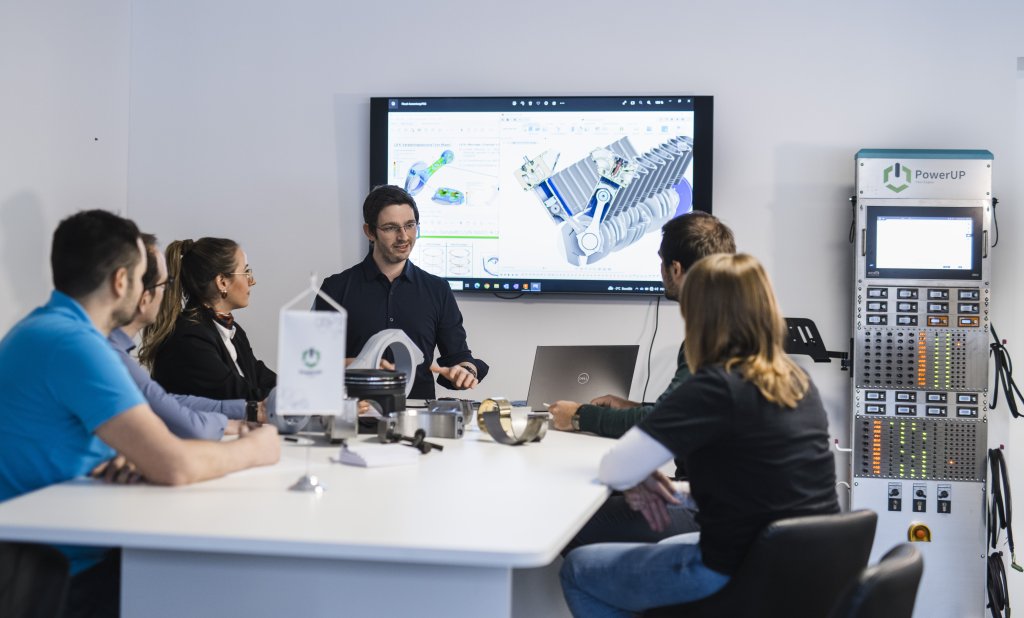
Secure your digital infrastructure with PowerUP
Data centers are the heart of the digital world, and a power outage is a scenario every operator wants to avoid. We understand the responsibility you bear and want to provide the best possible support to secure your infrastructure. Our goal is to use our experience to help your emergency power systems achieve greater reliability and to ensure you are better prepared in an emergency.
We offer solutions that help improve the availability and start-up readiness of your gas engines. Our spare parts and services are suitable for use in Jenbacher®, MWM®, Caterpillar® and MAN® engines, among others. These are not original parts from the manufacturers mentioned.
Regardless of the technology used, we work to make your processes more efficient and to reduce risks. Technology is our driving force; efficiency is our focus.