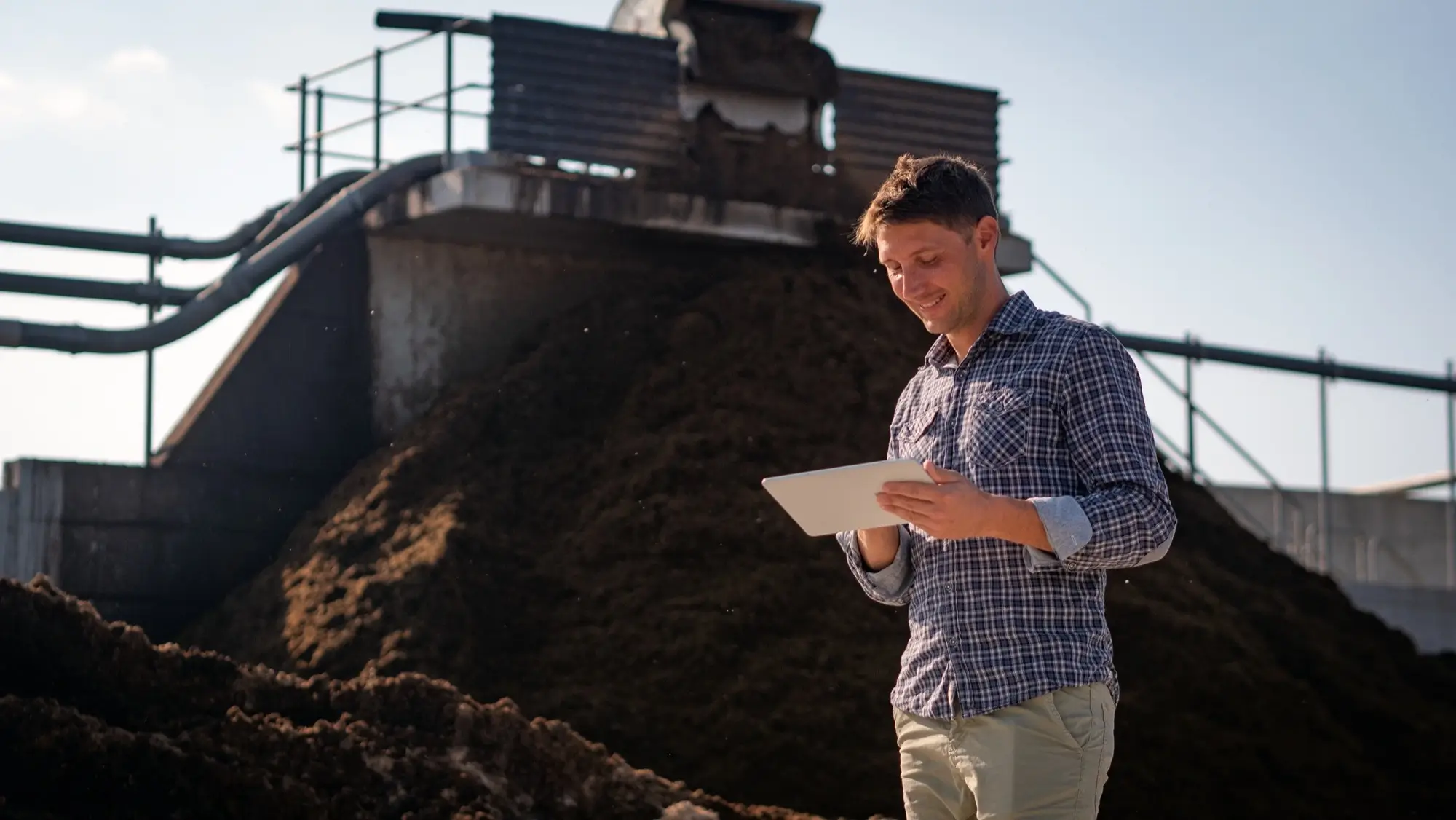
Green IT and sustainability: alternative fuels for green data centers

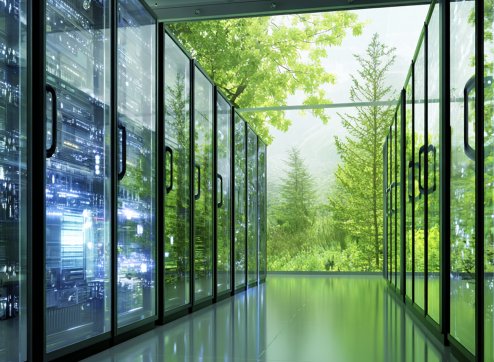
As an operator, you now find yourself at the centre of a global clash of priorities. On the one hand, customers and society demand limitless computing power for cloud computing, AI, and the secure storage of personal data.
On the other hand, pressure from ESG requirements and rising CO₂ prices is increasing sharply. The classic image of the data center as a “power guzzler” with immense energy consumption poses a risk to your reputation and your balance sheet.
Simply offsetting emissions with certificates is often no longer enough to be seen as a frontrunner in Germany and Europe. The transition to a green data centre requires technological solutions that go deeper.
The aim is not just to passively procure renewable energy, but to actively integrate it into their own generation structure and to manage it in a resource-efficient manner. Those who act now to drive this change will not only secure the “license to operate” but also gain tangible competitive advantages.
What really makes a “green data center”?
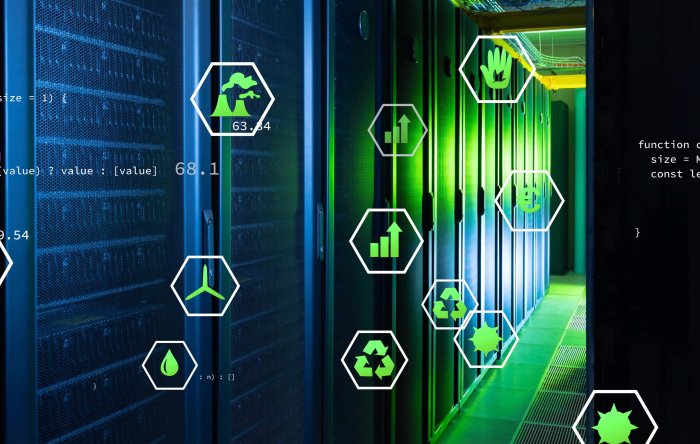
The term “Green IT” is often used too loosely. However, a truly green data center is not defined solely by solar panels on the roof. It is a holistic system that optimizes the entire lifecycle and operations to minimize environmental impact.
The Three Pillars of Sustainability
Several factors come into play that go beyond mere electricity consumption:
- Energy Efficiency (PUE): The Power Usage Effectiveness (PUE) remains the most important metric. It shows how much energy actually reaches the IT equipment and how much is lost within the infrastructure.
- Resource efficiency: This includes the efficient use of natural resources, such as water for cooling, as well as hardware longevity.
- Certifications: Labels such as the “Blue Angel” or LEED now serve as crucial signals to the market, demonstrating that the facility meets the highest standards.
The transition from diesel to biogas and synthetic fuels
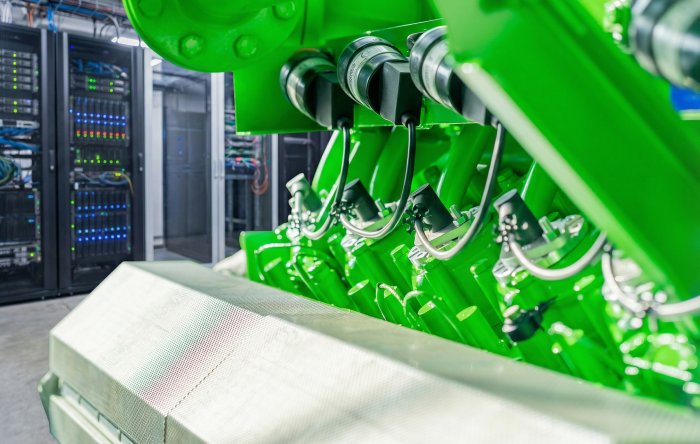
Emergency power supply has traditionally relied on fossil fuels. However, diesel generators no longer fit into a sustainable strategy. Advances in gas engine technology open up new ways to drastically reduce greenhouse gas and CO₂ emissions without compromising safety.
Modern gas engines can easily run on biogas or biomethane. These renewable energy sources are carbon-neutral because they release only as much CO₂ as the biomass previously absorbed.
For data centers that use their own continuous power supply (Prime Power), this is the quickest way to minimize their environmental footprint. Synthetic fuels (e-fuels) produced using excess wind energy or hydropower are also attracting increasing attention.
Preparing gas engines to run on hydrogen
Hydrogen is a hot topic. For investors, the question of “H2 readiness” is essential to avoid “stranded assets”. Many modern gas engines are already designed to operate with hydrogen blends or – after retrofitting – with pure hydrogen. This flexibility guarantees that your investment in infrastructure will retain its value even in a decarbonized future.
Improve overall efficiency by utilizing waste heat
In a traditional setup, waste heat is an annoying byproduct that must be cooled at great expense. In an energy-efficient approach, it becomes a valuable resource. The laws of physics are unforgiving: every watt that flows into the servers is converted into heat.
Consistent use of waste heat can significantly improve a site’s overall energy performance. The heat can be fed into local district heating networks to heat residential areas or office buildings.
An even more elegant solution is on-site use: using absorption chillers, the heat from gas engines or server rooms can be converted directly into process cooling for the cooling systems. This significantly reduces the load on electric air conditioners and drives the PUE down to record lows.
Technological transition from air cooling to liquid cooling
Since cooling often accounts for up to 40% of a data centre’s energy consumption, it offers the greatest leverage for improving energy efficiency. However, conventional air cooling is reaching its physical limits with modern high-density workloads.
When there’s not enough air
With the rise of AI applications and higher density from virtualization, the heat load per rack is increasing dramatically.
- Liquid cooling: Technologies such as direct-to-chip or immersion cooling transfer heat via liquids, which have a much higher heat capacity than air. This drastically reduces the energy required for pumps and fans.
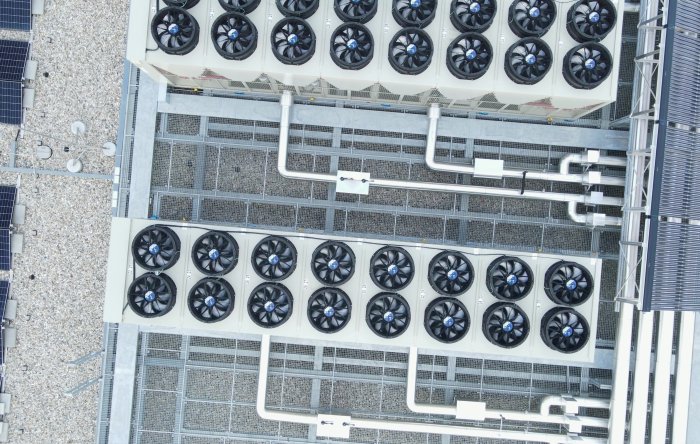
- Free Cooling: In temperate latitudes such as Central Europe, the outside air can be used for cooling on many days of the year, allowing the compressors to remain idle and reducing energy costs.
Economic benefits from consistent sustainability strategies
For a long time, Green IT was seen as a cost driver. That perception has changed. In times of volatile energy prices, energy efficiency is the best protection against soaring costs. A green data center that optimizes its power consumption and recovers waste heat is more economical over the long term.
In addition, sustainability is a decisive sales factor. Customers specifically ask about the carbon footprint of their digital services. Those who provide transparent, excellent figures win tenders. Ecology and economy are no longer opposites in the data center but are interdependent.
We make your engines future-ready – with PowerUP
The road to climate neutrality is a marathon, not a sprint. At PowerUP, we accompany you on this journey because we understand that your existing assets are valuable and cannot simply be replaced. That is why we specialize in making gas engines fit for the future through intelligent interventions.
Our upgrade solutions are suitable for use in MTU®, MWM® and Jenbacher® engines, among others. These components are not original manufacturer parts but specially developed alternatives from PowerUP.
Whether it’s emissions upgrades to meet stricter environmental regulations or components designed to operate with specialty gases and hydrogen mixtures, we deliver the technology you need.
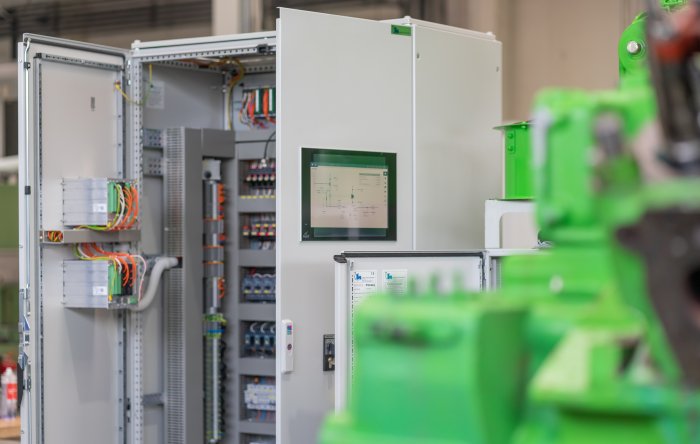
In addition, our control systems, such as AORA and EDI, ensure that you can precisely regulate your energy consumption and document it thoroughly. Let’s work together to make your infrastructure cleaner and more energy-efficient. For us, technology is our driving force; efficiency is our focus.
Contact us for a no-obligation consultation and learn how we can bring your system up to date with the latest technology.