Taking a closer look: The pros and cons of natural gas


Natural gas has emerged as the most significant, yet controversial, player in the global energy landscape. Toted for decades as the ideal “bridge fuel”, it has been essential in reducing carbon emissions by displacing dirtier fossil fuels like coal and oil. However, as the urgency of climate change intensifies, the natural gas industry faces scrutiny regarding its true environmental impact.
Like any complex source of energy, the natural gas production and consumption cycle comes with a distinct set of advantages of natural gas and significant drawbacks. For operators of power plants, industrial facilities, and policymakers, understanding these trade-offs is vital.
This article provides a balanced, deep-dive view of the pros and cons of natural gas, exploring its role in electricity generation, its economic benefits, and the environmental challenges posed by fracking and methane emissions.
The Advantages: Why Natural Gas Dominates the Market
Despite the push for decarbonization, natural gas remains a cornerstone of the global energy mix. Its dominance is not accidental; it is driven by physical properties and economic realities that make it hard to replace.
Cleaner Burning and Energy Efficiency
The primary argument for natural gas is its chemical profile. When natural gas burns, it produces significantly fewer emissions than other fossil fuels. Compared to burning coal, natural gas generates roughly 50% less carbon dioxide and far fewer pollutants like nitrogen oxides, sulfur dioxide, mercury, and particulate matter.
This makes it a critical tool for improving local air quality while maintaining high energy output. Furthermore, modern combined-cycle gas turbines are marvels of engineering, converting fuel into electric power with exceptional energy efficiency, often exceeding 60%.
Abundance and Cost-Effectiveness
Technological advancements in hydraulic fracturing (fracking) and horizontal drilling have unlocked vast natural gas reserves that were previously inaccessible, particularly in North America. The U.S. Energy Information Administration (EIA) reports that the US alone holds thousands of trillion cubic feet of recoverable gas.
This abundance has made natural gas a highly cost-effective fuel source. Low gas prices have lowered energy bills for consumers and provided a competitive advantage for industries that use gas as a feedstock or for heat.
Reliability and Support for Renewables
Unlike solar energy or wind power, which are intermittent, natural gas is dispatchable. It provides the baseload and peak-load power necessary to stabilize the grid. As the world integrates more renewable energy sources, gas-fired power plants act as the reliable partner, ramping up quickly when the sun sets or the wind stops. This reliability ensures a steady supply of electric power regardless of weather conditions.
The Disadvantages: The Environmental Price Tag
While cleaner than coal, natural gas is still a non-renewable resource. The disadvantages of natural gas are becoming increasingly prominent as scientific understanding of greenhouse gas emissions evolves.
The Methane Problem
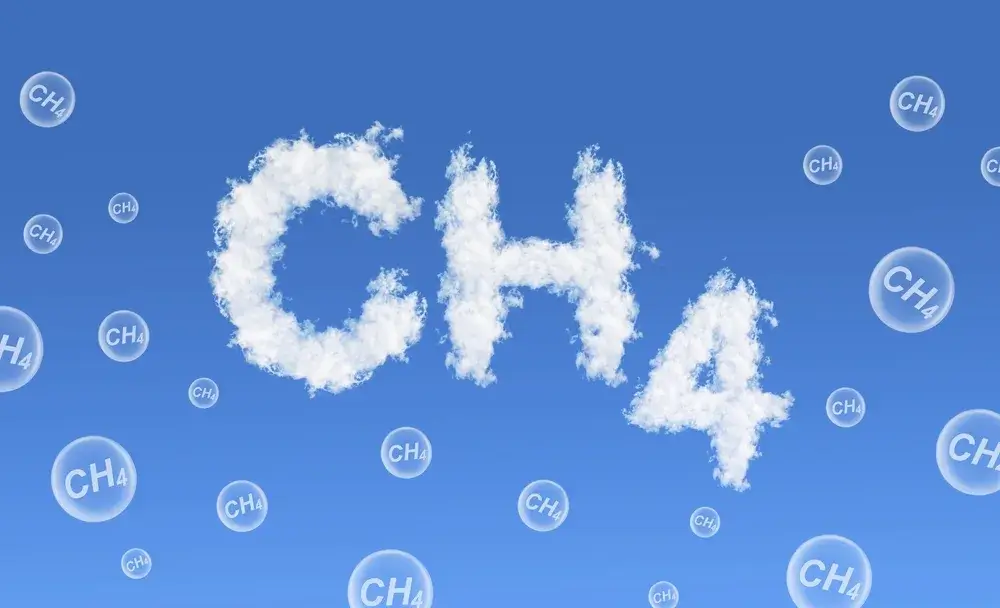
The most critical downside is methane. Methane is the primary hydrocarbon component of natural gas and is a potent greenhouse gas, trapping heat 80 times more effectively than carbon dioxide in the short term.
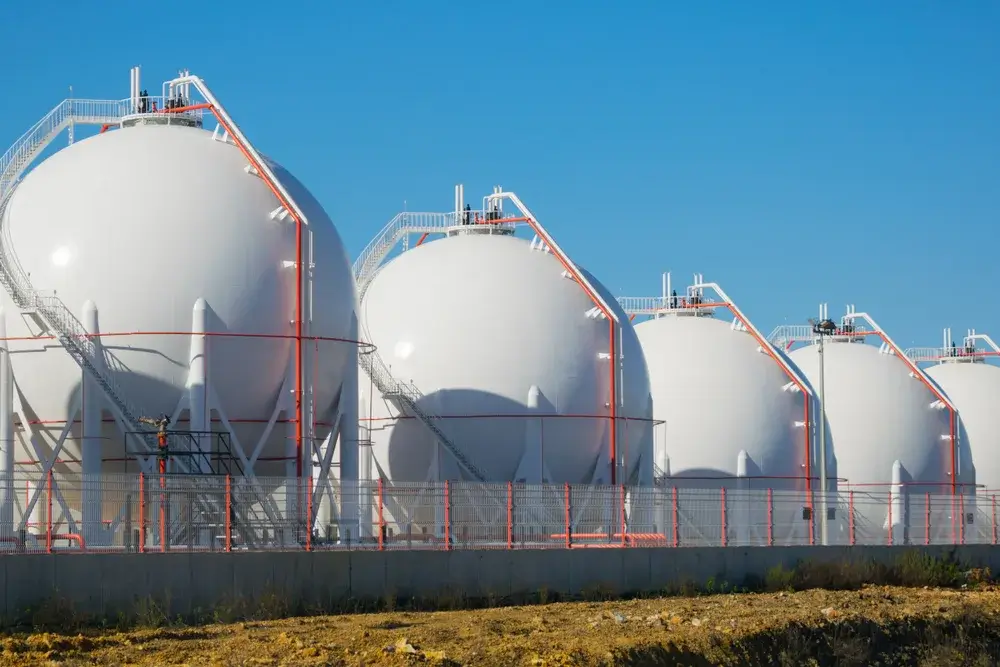
Methane leaks can occur at every stage of the supply chain—from the wellhead and storage tanks to the pipelines beneath city streets. If methane emissions are not strictly controlled, they can negate the climate benefits gained by switching from coal to gas.
Environmental Impact of Fracking
The extraction process, specifically hydraulic fracturing, poses local environmental risks. Fracking involves injecting water, sand, and chemicals at high pressure into underground rock formations to release shale gas.
This process creates large volumes of toxic wastewater that must be managed carefully to prevent contamination of groundwater. Additionally, the industrialization of rural landscapes for natural gas production can disrupt local ecosystems and communities.
Non-Renewable Nature
Hydraulic fracturing, or fracking, used to extract natural gas from shale formations, poses several environmental risks. It can lead to groundwater contamination, induce seismic activity, and produce large volumes of wastewater. The high pressure required for fracking also raises concerns about the integrity of the earth’s geological formations.
Non-Renewable Resource
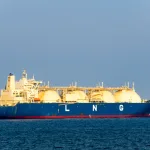
Ultimately, natural gas is a nonrenewable resource. Relying too heavily on it creates infrastructure “lock-in.” Building billions of dollars worth of pipelines and LNG (Liquefied Natural Gas) terminals commits economies to fossil fuels for decades, potentially delaying the transition to fully renewable energy solutions like hydropower, wind, and solar.
The Changing Landscape: Heating and Transport
The debate over pros and cons of natural gas plays out differently depending on the sector.
In the residential sector, use of natural gas for heating is facing stiff competition. High-efficiency electric heat pumps are increasingly replacing gas boilers, offering a lower-carbon alternative for heating homes.
Similarly, in the transport sector, while Compressed Natural Gas (CNG) burns cleaner than diesel, it is being overshadowed by the rapid rise of electric vehicles.
However, natural gas remains vital in sectors that are hard to electrify. Industrial processes requiring intense heat and the production of chemicals (where gas is a feedstock) will likely rely on natural gas, or its byproduct propane, for decades to come.

The Pivot: The New Technical Disadvantage for Engines
For operators of gas engines and combined heat and power plants (CHP units), a new, often overlooked disadvantage has emerged: Variable Gas Quality.
In the past, the gas grid supplied a consistent product. Today, the grid is a complex mix. It contains shale gas from various basins (with varying levels of ethane and propane), LNG imported from overseas, and increasingly, injected biogas or biomethane.
This leads to fluctuating gas compositions. A change in the fuel’s methane number or heating value can cause engine knocking, pre-ignition, or reduced performance.
High-efficiency engines tuned for a specific gas composition struggle when that composition changes daily. This technical “con” leads to higher maintenance costs and downtime.
PowerUP: Mitigating the Technical Risks
We cannot change the global gas prices or the geological reality of fossil fuels. However, PowerUP solves the specific technical disadvantages that threaten your operation.
We specialize in optimizing gas engines to handle the reality of the modern energy grid. Our high-durability spare parts and expert services are designed to ensure your engine runs efficiently, even when fuel quality fluctuates.
Whether you are running on pipeline gas, an LNG mix, or transitioning to clean energy sources like hydrogen blends, PowerUP ensures your asset remains profitable and reliable. By maximizing efficiency, we also help you minimize emissions, addressing one of the key environmental concerns of gas usage.