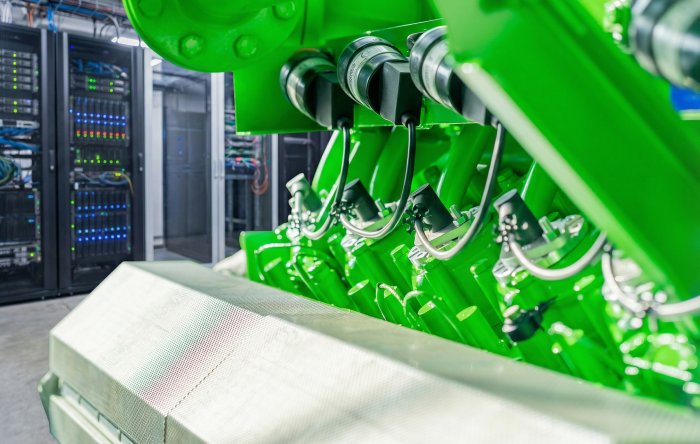
Gas engines – a comprehensive insight

A gas engine is a foundational technology in the landscape of modern, decentralized energy solutions. As a specialized type of internal combustion engine, it is engineered to operate primarily on gaseous fuels, such as natural gas or biogas, to generate power.
This core function distinguishes it clearly from other engines, like diesel engines that rely on compression ignition or a gasoline engine, also known as a petrol engine, which typically powers vehicles.
In the industrial sector, the gas engine serves as a reliable and efficient prime mover for power generation, offering a stable backbone for everything from manufacturing plants to independent power producers.
The Basic Principle: What is an Internal Combustion Engine?
At its core, a gas engine is a specific application of the internal combustion engine. This term refers to any heat engine where the combustion of a fuel occurs with an oxidizer (usually air) in a combustion chamber that is an integral part of the working fluid flow circuit.
This internal combustion process generates high-temperature and high-pressure gases, which expand and apply direct force to a component of the engine, such as a piston, moving it and thus transforming chemical energy into mechanical energy.
This fundamental principle differentiates it from external combustion engines, like steam engines, where the working fluid is heated by an external source. The internal combustion engine family is broad, but the most common types are differentiated by their ignition method and fuel.
While a gasoline engine or petrol engine uses a spark plug to ignite a fuel-air mixture, diesel engines use high compression to heat the air and ignite the injected fuel spontaneously.
The industrial gas engine shares the spark ignition principle with the gasoline engine but is engineered for entirely different fuels and applications, focusing on continuous operation and longevity.
How does a gas engine work? The mechanics explained
The operation of an industrial gas engine is a precise sequence of mechanical and thermodynamic events designed for high efficiency and continuous power generation. Unlike the simpler engines found in vehicles, these stationary units are built for durability and long service intervals.
The majority of large-scale gas engines used in power generation operate on a specific cycle, which dictates how fuel is converted into motion. This mechanical process involves a highly coordinated interplay of various components to ensure that every combustion event contributes optimally to the engine’s output.
The most common and efficient model for this process is the four-stroke cycle.
The Four-Stroke Principle in Detail
Most industrial gas engines operate on the four-stroke engine cycle, a process that efficiently converts fuel into rotational force. This cycle consists of four distinct piston movements, or strokes, within a cylinder.
- Intake: The piston moves down, drawing a precise mixture of gas and air into the cylinder.
- Compression: The piston moves up, compressing this mixture to prepare it for ignition.
- Power: At the precise moment of maximum compression, the spark plug delivers an electrical charge, creating the spark ignition that combusts the fuel-air mixture. This controlled explosion forces the piston down with immense power, turning the crankshaft.
- Exhaust: The piston moves up again, pushing the spent exhaust gases out through the newly opened exhaust valves.
This entire sequence, housed within the engine’s crankcase and smoothed out by the momentum of the flywheel, repeats thousands of times per minute to generate continuous power.
Fuel Supply Systems: From Carburetor to Modern Fuel Injection
The method used to deliver fuel to the combustion chamber has evolved significantly, directly impacting engine efficiency and emissions. In older or simpler engine designs, a carburetor was common.
This mechanical device’s job was to mix air and the fuel into a combustible vapor before it entered the cylinders. While effective for its time, the carburetor lacked the precision needed for modern emissions standards and varying fuel qualities.
Today’s advanced gas engines rely on sophisticated fuel injection systems. These electronically controlled systems deliver a precise, atomized mist of fuel directly into the air stream or cylinder at the exact right moment.
This precision is critical when using gaseous fuels like natural gas or alternative fuels such as ethanol or biogas. Fuel injection allows the engine’s control unit to continuously adjust the fuel-to-air ratio, optimizing performance, minimizing waste, and ensuring the cleanest possible combustion.
Understanding Performance Metrics: Horsepower and Power Output
When evaluating the capability of an industrial gas engine, two key metrics are essential: horsepower and power output. Horsepower is the traditional unit of measurement for an engine’s rate of doing work, indicating its raw mechanical strength and ability to drive a generator.
While it remains a common term, in the context of industrial applications and power generation, the specification is more frequently expressed in kilowatts (kW) or megawatts (MW).
This electrical power output is the ultimate measure of an engine’s performance, as it defines how much electricity the unit can reliably supply to a grid or a facility.
This figure is not just about maximum potential, it is about the stable, continuous, and efficient delivery of energy, which is the primary goal of any stationary power plant. All engineering and service efforts are ultimately focused on maximizing this deliverable power output over the engine’s entire lifespan.
A Comparison of Engine Types
Understanding the specific advantages of a gas engine requires a comparison with other common engine types. While all internal combustion engines share the goal of converting fuel into motion, their design, fuel, and ignition methods make them suitable for very different tasks.
The choice between a gas, diesel, or gasoline engine depends entirely on the application’s requirements for efficiency, fuel availability, power, and environmental considerations. This distinction is especially critical in the industrial power generation sector, where reliability and operational costs are paramount.
Gas Engines versus Diesel Engines
The most relevant comparison in industrial power is between diesel engines and gas engines. The primary difference lies in their ignition: a gas engine uses a spark plug, while a diesel engine uses compression ignition.
This means diesel engines compress air to such a high pressure that the injected diesel fuel ignites spontaneously from the heat. This process often results in higher torque, but it also produces different types of emissions, including higher levels of nitrogen oxides (NOx) and particulate matter.
Gas engines, in contrast, typically burn cleaner, producing significantly fewer of these pollutants, which is a major advantage in an era of strict environmental regulations.
From single cylinder engines to complex power plants
The term “engine” covers a vast spectrum of machinery, from a simple single cylinder motor to the complex, multi-ton units that drive our energy grid. On one end, you have small, air-cooled engines used in applications like lawn mowers or recreational vehicles, produced by manufacturers such as kawasaki.
These are designed for intermittent use and low power needs. On the other end of the spectrum are the industrial gas engines that form the very heart of a power plant.
These are sophisticated, heavy-duty machines, engineered for continuous 24/7 operation over decades, delivering megawatts of electricity and heat for entire communities or large-scale industrial operations. PowerUP’s expertise lies firmly in this latter category, ensuring these critical assets perform at their peak.
The Environmental Impact: Emissions and Sustainability
The environmental impact of any combustion technology is a critical factor in its viability. Gas engines, particularly those running on natural gas or biogas, offer a significantly improved emissions profile compared to their coal and diesel counterparts.
The combustion of gas produces exhaust gases that contain substantially lower levels of sulfur oxides (SOx) and particulate matter. Furthermore, while they do produce carbon dioxide (CO2), modern, highly fuel efficient engines are designed to maximize energy output while minimizing all emissions.
This focus on clean operation is driven by both market demand for sustainability and stringent government regulations, such as those set by the epa (Environmental Protection Agency) in the United States and similar bodies worldwide.
These standards push manufacturers to innovate, leading to engines that not only meet but often exceed environmental mandates. By converting fuel into power so efficiently, modern gas engines reduce waste and provide a reliable bridge to a more sustainable energy future, especially when utilizing renewable fuels like biomethane.

Core Applications and Modern Energy Solutions
The versatility of the gas engine makes it a central component in a wide array of modern energy solutions. Far beyond simple backup power, these engines are deployed in sophisticated systems designed to maximize energy utilization and provide grid stability.
They are the prime movers in applications ranging from industrial co-generation to supporting the integration of renewable energy sources. Their ability to start quickly and ramp up to full load makes them an ideal solution for balancing the intermittent nature of wind and solar power, ensuring a reliable and constant energy supply.
Efficient Power Generation and CHP (Combined Heat and Power)
The most efficient application of a gas engine is in a Combined Heat and Power, or CHP, system. In traditional power generation, a significant amount of energy is lost as waste heat.
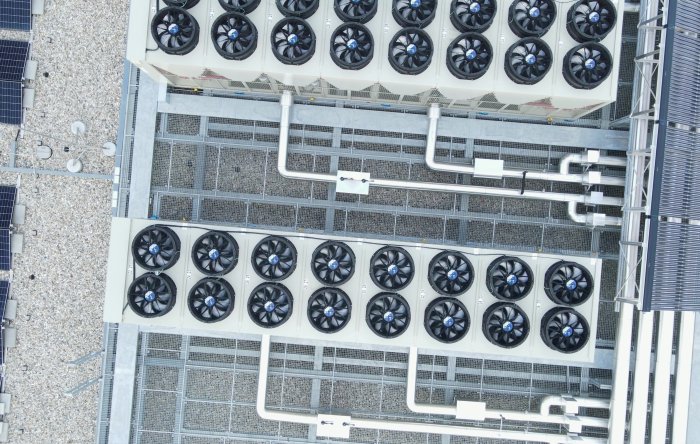
A CHP unit, however, captures this thermal energy from the engine’s exhaust and cooling systems and converts it into useful heat for industrial processes, district heating, or cooling (trigeneration).
This co-generation process can boost the total efficiency of the system from around 40-45% for electricity alone to over 90%, representing one of the most effective energy solutions for reducing both operational costs and carbon footprint.
The Role of Different Fuels: Natural Gas, Biogas, and Alternatives
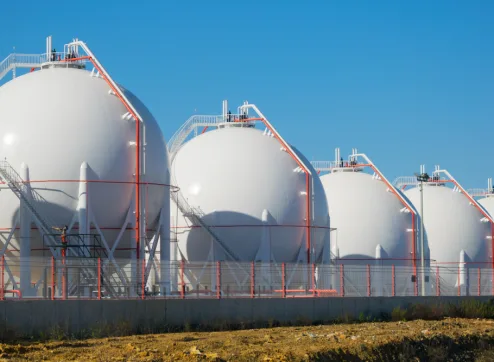
The flexibility of gas engines extends to their fuel source, a key factor in their adoption as modern energy solutions. While natural gas has long been the primary fuel due to its wide availability and clean-burning properties, the technology is increasingly pivotal in the renewable energy sector.
Gas engines are expertly adapted to run on biogas (or biomethane) generated from agricultural waste, landfills, or wastewater treatment plants. This capability transforms a waste product into a valuable, carbon-neutral energy source.
Furthermore, ongoing developments are enabling engines to operate on other alternative fuels, including hydrogen blends, positioning them as a critical and future-proof technology.
Challenges of Gas engines – An overview of technology and applications
Despite their numerous advantages, the operation of gas engines is not without its hurdles. These units are complex pieces of machinery, and their performance is subject to a variety of gas engine challenges.
These can be broadly categorized into issues related to the core Technology Gas Engines are built upon and the specific Applications Gas Engines are used for. Addressing these issues is fundamental to ensuring reliability and maximizing return on investment.
One of the primary challenges of gas engine operation is managing fuel quality. Unlike highly refined liquid fuels, gaseous fuels like biogas or even pipeline natural gas can vary in their composition and calorific value.
This fluctuation can affect combustion stability, power output, and emissions. Technically, the engine’s management system must be sophisticated enough to adapt to these changes in real-time. Another significant technological challenge is wear and tear.
These engines are designed for continuous operation, leading to immense stress on components like pistons, valves, and the crankshaft, making a proactive maintenance and high-quality spare parts strategy essential.
From an application perspective, integrating gas engines into a wider energy system presents its own set of challenges. These include:
- Load Balancing: When used to balance intermittent renewables like wind and solar, the engines must be able to start, stop, and ramp their power output quickly and frequently, which can accelerate wear.
- Economic Factors: Volatile natural gas prices versus the price of electricity sold to the grid can impact profitability and require careful operational management.
- Regulatory Compliance: All applications must navigate a complex web of environmental regulations, requiring advanced exhaust after-treatment systems to meet strict emissions standards.
Gas Engine Manufacturers – an Overview
The market for high-capacity industrial gas engines is led by a select group of specialized companies. These Gas Engine Manufacturers are global leaders known for their extensive research, development, and engineering excellence.
When sourcing a new engine, operators will typically encounter a few key names that have set the industry standard for efficiency and reliability. Each Gas Engine Manufacturer has its own design philosophies, technological specializations, and service networks, but all compete to deliver the highest possible power output with the lowest emissions.
Among the most prominent names in the stationary power generation sector is innio, with its globally recognized Jenbacher brand, as well as MWM, which is part of Caterpillar Energy Solutions.
These two manufacturers alone account for a significant portion of the installed gas engine fleet worldwide, particularly in applications like combined heat and power and biogas utilization.
Other major players in the market also produce robust and reliable engines, but the technologies from innio and MWM are a primary focus for many of the world’s most demanding power applications, and consequently, for specialized service providers.
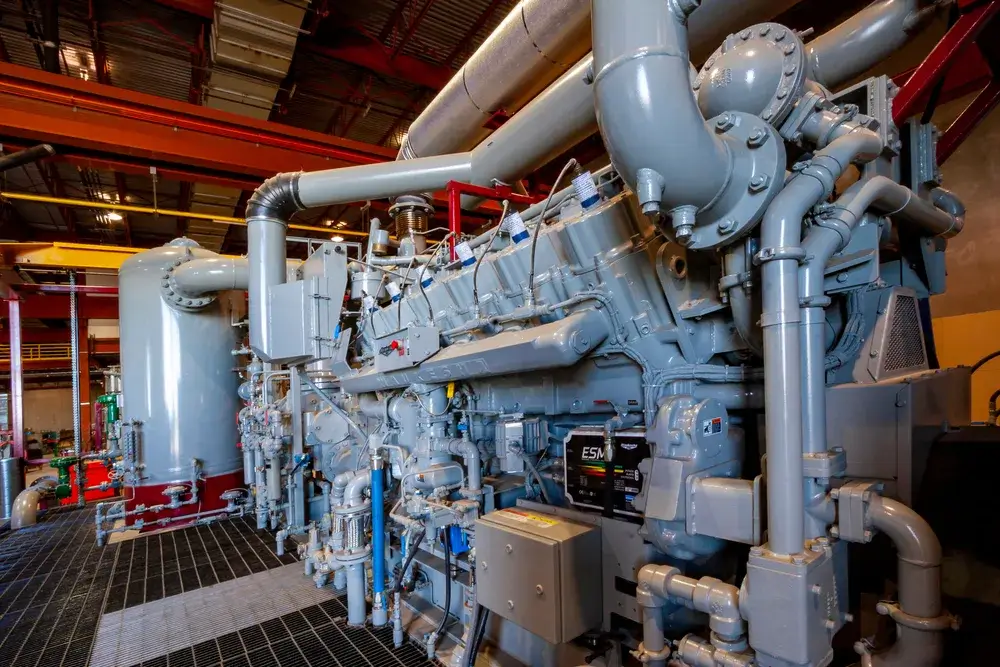
The construction of energy plants with gas engine drive
The Construction Of Energy Plants utilizing gas engines is a complex, large-scale engineering project that transforms a concept into a fully operational power source. This process involves meticulous planning, design, and execution to ensure the facility is efficient, compliant with all regulations, and seamlessly integrated into the existing energy infrastructure.
The gas engine itself is the core component, but its successful operation depends entirely on the sophisticated ecosystem built around it.
The project begins with an extensive feasibility and planning phase. This includes site selection, environmental impact assessments, securing permits, and determining the precise energy needs the plant will serve.
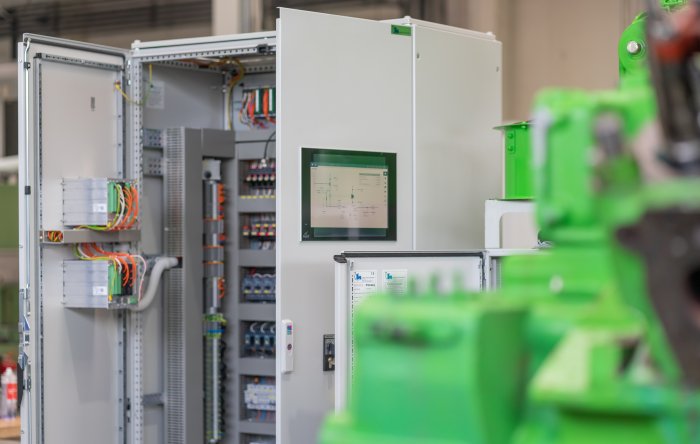
Once approved, the detailed engineering and design phase begins. This is where specialists map out the entire facility, specifying the exact models of gas engines, generators, and heat recovery systems for Plants With Gas Engine Drive. It involves designing the fuel supply infrastructure, the electrical switchgear for grid connection, and the advanced control systems that will automate the plant’s operation.
Finally, the physical construction phase brings the blueprints to life. This involves civil engineering for the foundations and buildings, the precise installation of the massive gas engines and alternators, and the complex piping and wiring that connects every component.
The last step before handover is commissioning, a critical period of rigorous testing where every system is started, calibrated, and run under load to prove that the entire power plant operates as designed. This journey from an empty site to a functioning power plant highlights how the gas engine is the heart of a much larger, integrated industrial system.
The Role of Independent Power Producers (IPP) in the Energy Market
The proliferation of efficient gas engines has been a key enabler of a major shift in the global energy market: the rise of the Independent Power Producer. These entities are now fundamental to the energy landscape, creating a more competitive, decentralized, and flexible grid. Understanding their business model is essential to understanding the modern context in which industrial gas engines operate.
What is an Independent Power Producer (IPP)?
So, what is an Independent Power Producer? An IPP, or Independent Power Producer, is a non-utility entity that owns and operates facilities to generate electricity for sale, often to a utility, a central government buyer, or to end-users directly.
Unlike traditional, vertically integrated utilities that may own the generation, transmission, and distribution networks, an IPP is a specialist in power generation. This business model emerged as energy markets were deregulated to introduce competition, with the goal of increasing efficiency and lowering costs for consumers.
These companies invest in, build, and operate their own power plants, ranging from renewable solar farms to highly efficient gas-fired facilities.
What is IPP Energy?
Following the definition of an IPP, the next logical question is: What is IPP Energy? Put simply, IPP Energy is the electricity product generated by an Independent Power Producer.
It is not energy from a different physical source, but rather energy that is differentiated by its business model. When a corporation or utility purchases IPP Energy, they are often doing so through a long-term contract known as a Power Purchase Agreement (PPA).
This PPA is a critical component of the model, as it guarantees the IPP a stable revenue stream, which in turn secures the financing required to build the power plant.
For the consumer, purchasing IPP Energy provides predictable pricing, often lower than utility rates, and can help them meet specific goals, such as sourcing a percentage of their power from high-efficiency gas plants or specific renewable sources.
It represents a shift from buying power from a monolithic utility to contracting directly with the generator.
The World’s Leading Independent Power Producers – A Closer Look
The Independent Power Producer market is not just a local phenomenon, it is a global industry dominated by highly capable and well-capitalized companies. The largest independent power producers in the world operate vast portfolios of energy assets, often spanning multiple continents and technologies.
These Leading Independent Power Producers play a critical role in national energy strategies, deploying billions in private capital to build the infrastructure necessary for reliable power.
While the specific rankings may shift, this group of Large IPP companies includes major players headquartered in North America, Europe, and Asia. They are characterized by their massive scale, their technical expertise in operating diverse power plants – including gas, wind, solar, and hydro – and their financial strength to develop new projects.
These industry giants are, in many ways, the primary customers and operators of the high-capacity industrial gas engines that form the backbone of modern, flexible power grids.
Optimize Your Gas Engine: Efficiency and Reliability with PowerUP
As this comprehensive insight shows, a gas engine is far more than just a machine. It is the core of your power generation capabilities and a significant financial asset. Ensuring this asset operates at its peak potential, day after day, requires specialized knowledge, precision engineering, and a proactive service strategy. Downtime is not just an inconvenience, it is a direct loss of revenue and efficiency.
This is where PowerUP provides critical value. We are specialists dedicated to the optimization of stationary gas engines. Our entire business is built around extending the runtime and increasing the efficiency of your power plant.
We focus our expertise on the industry’s leading brands, including INNIO Jenbacher and MWM. Technology is our drive, efficiency our focus. We understand the complex interplay of components and operational demands.
We offer a complete portfolio of services, from OEM-quality spare parts to advanced tuning and comprehensive overhauls. Our solutions are designed to boost your engine’s power output, improve its fuel efficiency, and ensure its long-term reliability. We stand behind our work, providing service and parts that deliver performance you can trust, often backed by a secure warranty for your peace of mind.
Do not let your engine’s potential go untapped. Contact the PowerUP team to explore how our specialized solutions can maximize the performance and profitability of your gas engine.