Does Biogas Have a Future? Growth, challenges, and outlook

Biogas has long been a staple of the conversation around renewable energy, but its role is gaining new, critical relevance. As the global energy sector shifts toward more sustainable, decentralized, and net-zero systems, tough questions are being raised. Is biogas an outdated bridge technology, or is it a cornerstone of the future energy system?
In this article, we explore not just the future of biogas, but its current state, the hurdles it faces, and the technological innovations that will shape its long-term role in the global energy mix. For operators of biogas plants, understanding these trends is vital to navigating the energy transition.
Where biogas stands today as an energy source
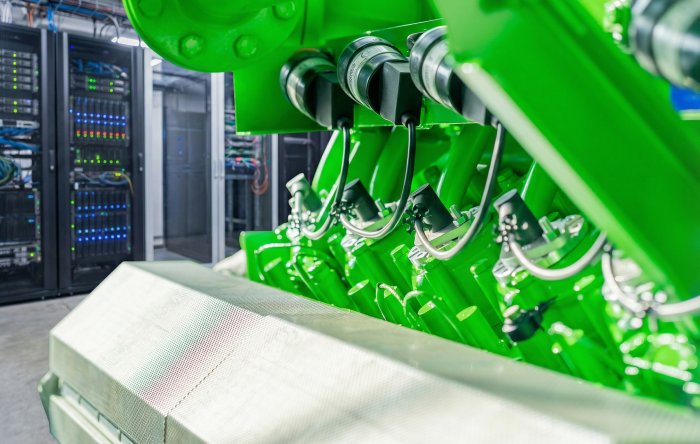
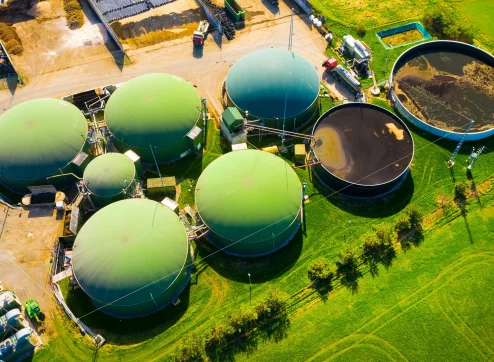
To predict the future, we must understand the present. Biogas is currently a workhorse in power generation. It plays a vital role in Combined Heat and Power (CHP) units on farms, at wastewater treatment plants, and in municipal waste facilities.
By capturing methane released during the anaerobic digestion of organic material, these systems generate energy while preventing harmful emissions. In many cases, biogas production utilizes feedstock streams like animal manure, crop residues, or food waste.
This energy is often used on-site or fed into the grid. Although the technology isn’t new, it continues to find practical applications in sectors that value local, reliable, and circular energy systems. However, to remain competitive against other renewable energy sources like solar and wind, the industry is evolving from simple electricity generation to advanced biomethane production.
Drivers of growth: Why biogas matters for Net-Zero
Despite the hype around other renewables, biogas offers unique advantages that solar and wind cannot match: dispatchability and waste processing. Several key factors are driving the industry forward:
- Methane Reduction: Capturing methane from landfills and manure is one of the most cost-effective ways to cut the carbon footprint of agriculture and waste sectors.
- Circular Economy: Biogas transforms organic waste into energy and fertiliser (digestate), supporting nutrient cycling and reducing dependency on synthetic inputs.
- Energy Security: Decentralized biogas plants and power plants increase resilience against grid fluctuations.
- Policy Support: From the EU’s RePowerEU to global initiatives, governments are incentivizing renewable gas to reduce reliance on fossil fuels.
These drivers confirm that the role of biogas is shifting from a niche solution to a key component of decarbonisation.
What is biomass? A guide to sustainable energy production
Organic waste is not just refuse. It is a hidden power source. In this article, we explore how biomass transforms agricultural residues and industrial by-products into reliable energy. Discover the benefits of this renewable all-rounder and how PowerUP solutions, suitable for Jenbacher®, MWM®, and other manufacturers, help you optimize efficiency in decentralized energy systems.
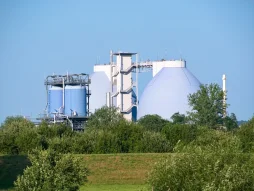
The shift to Biomethane and “Green Gas”
The biggest trend shaping the future is upgrading. Instead of burning raw biogas directly, more operators are investing in technology to remove carbon dioxide and impurities to create biomethane (also known as renewable natural gas or RNG).
This green gas is chemically identical to natural gas. This allows for injection into the existing gas infrastructure or use as a low-carbon fuel for heavy transport. By leveraging the gas grid, biomethane becomes a flexible storage solution, bridging the gap between seasonal energy crops production and winter heating demand.
Challenges and limitations
However, the path to a carbon-neutral future is not without obstacles.
- Feedstock Volatility: Supply chains for biomass can be inconsistent. Relying solely on energy crops is becoming less popular due to land-use debates; the focus is shifting to waste management and by-products.
- Technical Complexity: Processing millions of tonnes of varied waste requires sophisticated supply chain management. Gas quality can fluctuate, making technological innovations in filtration and engine control essential.
- Cost Pressure: Building biomethane plants requires significant upfront investment. Without stable policy support, projects can struggle to compete with subsidized wind or solar.
Innovation and future trends
The industry is responding with advancements that address these barriers. New modular upgrading systems allow smaller plants to access the gas grid. Research into novel feedstocks, like algae or industrial sludge, is diversifying the input.
Furthermore, partnerships are emerging between the agricultural sector and industrial players to create “energy clusters.” We also see a rise in bioenergy being integrated with hydrogen production, creating hybrid systems that maximize the potential of every molecule.
Does biogas have a future? A realistic outlook
So, does biogas have a future? The answer is a definitive yes, but it will look different. Biogas will likely not dominate the electricity generation market by volume, but it will be the premium, flexible stabilizer of the grid.
It will remain indispensable for sectors like agriculture, food processing, and waste management. With the right advancements, biogas systems will operate continuously, support sustainability goals, and act as a battery for the energy system.
How PowerUP supports your energy transition
The future belongs to the efficient. At PowerUP, we work with operators who rely on biogas and landfill gas as daily energy sources. Our focus is on helping them maintain consistent performance—even when fuel quality changes or regulations tighten.
We tailor our support to your needs:
- Engine Optimization: We fine-tune combustion to handle fluctuating gas qualities, suitable for Jenbacher®, MWM®, Caterpillar®, MAN®, and other manufacturers.
- Condition-Based Maintenance: We reduce downtime through data-driven service strategies.
- High-Quality Parts: From cylinder heads to specialized spark plugs, we ensure your engine handles the aggressive nature of biogas.
By supporting stable and efficient operation, we help ensure that biogas remains a reliable clean energy option—today and into the future.
Read more about:
- Physical security, fire safety, and emergency management in the data center
- Compliance with laws and standards (e.g., KWKG, EEffG) in the data center
- The role of gas engines: Why stationary CHP systems are the foundation of data center power supply
- The key role of gas engines in ensuring resilient power for data centers
- Efficiency upgrades: the key to combating high energy costs in the data center