How long can we continue to use natural gas? An Analysis of the Future

The question “How long can we continue to use natural gas?” is one of the most debated topics in the global energy transition. For decades, natural gas has been the bedrock of modern energy—reliable, affordable, and significantly cleaner than coal or oil.
However, the landscape has shifted dramatically. The global push for Net Zero, the rise of renewable energy, and geopolitical shocks like the war in Ukraine have forced a re-evaluation of all fossil fuels. Energy security is now balanced against climate goals.
So, is the use of natural gas nearing its end? The answer is not a simple “yes” or “no”. The reality is nuanced. While we may stop using gas to heat our homes relatively soon, we will likely continue to use natural gas as a critical industrial feedstock and power generation bridge for decades to come.
The Three Pillars of Natural Gas Consumption
To evaluate the future, we must first understand where the gas goes today. According to data from the U.S. Energy Information Administration (EIA) and the IEA, consumption is broadly split into three critical sectors:
1. Electric Power Sector
This is often the largest consumer. Natural gas generators are the backbone of the grid in many countries, providing dispatchable power to balance intermittent wind and solar.
2. Industrial Sector
Industry relies heavily on gas not just for electricity, but for process heat—generating the high temperatures needed to make steel, glass, cement, and chemicals. In many cases, gas is also a raw material (feedstock) for products like fertilizers and plastics.
3. Residential and Commercial
This sector uses gas primarily for space heating and water heating. In colder climates, millions of homes rely on gas boilers and furnaces.
Geological Reserves vs. Political Reality
From a purely geological perspective, we are not running out of gas. Global natural gas reserves are immense. Advancements in extraction technologies, such as hydraulic fracturing, have unlocked vast new resources, particularly in North America. Estimates suggest that at current consumption rates, proven reserves could last roughly 50 years, with unproven resources extending that timeline significantly.
However, geology is no longer the defining constraint. The limit on how long we can continue to use natural gas will be determined by economics and policy, not scarcity.
- Climate Goals: To meet the Paris Agreement targets, the combustion of fossil fuels must decline. Carbon dioxide and methane emissions are under strict scrutiny.
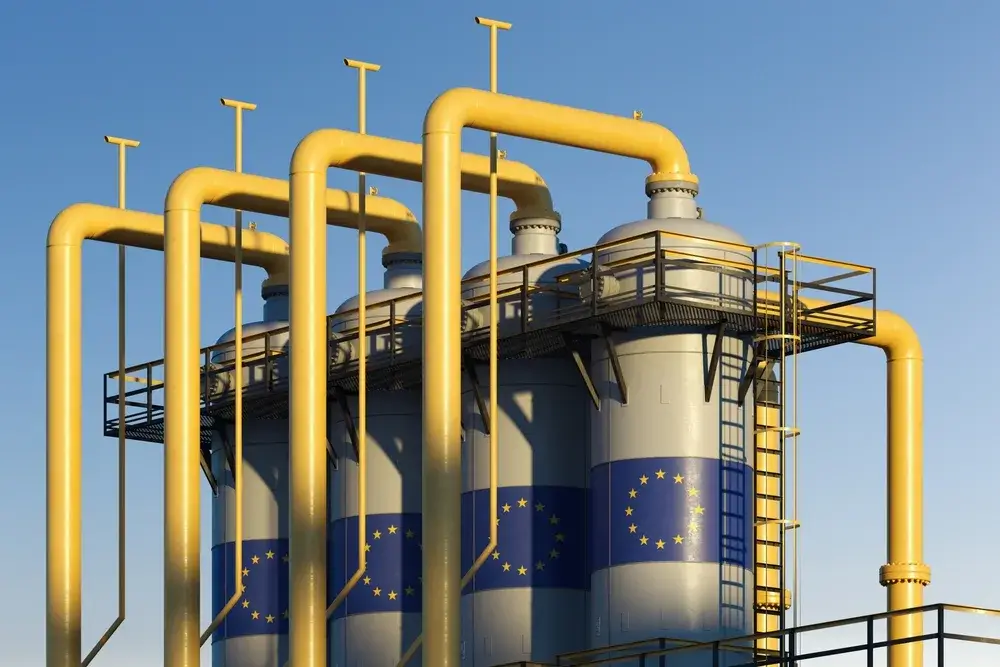
- Energy Security: Reliance on imported gas (as seen in Europe’s pivot away from Russia towards LNG) has highlighted the risks of global supply chains.
- Technological Competition: Renewable energy and electrification are becoming cheaper and more efficient.
The Future of Gas: A Split Trajectory
The timeline for how long we will continue to use natural gas differs drastically depending on the application.
The Decline in Residential Heating
In the residential sector, the timeline is shortening. The use of natural gas for heating homes is increasingly viewed as inefficient compared to modern alternatives. Electric heat pumps have emerged as the superior technology.
They are highly efficient, producing three to four units of heat for every unit of electricity, and they can run on carbon-free power. Consequently, policy bans on new gas boiler installations are becoming common in Europe and parts of the US, signaling a gradual phase-out of gas in our basements.
The Long-Term Role in Industry and Power
In contrast, the industrial and power sectors will likely continue to use natural gas for much longer. It serves as an indispensable “bridge technology”.
- Grid Stability: As we build more wind and solar, we need reliable backup power for when the sun doesn’t shine. Gas turbines can ramp up in minutes to prevent blackouts. Until battery storage becomes massive and cheap, gas remains the primary safety net for the grid.
- High-Grade Heat: Electrifying a steel mill is infinitely harder than electrifying a home. For high-temperature industrial processes, gas remains the most viable option for the foreseeable future, potentially transitioning eventually to hydrogen.
The New Challenge: Variable Gas Quality
As we continue to use natural gas in this transition period, the nature of the fuel itself is changing. The gas grid is no longer a single, stable source. To lower carbon intensity and ensure supply, grid operators are blending different gases:
- LNG: Imported Liquefied Natural Gas from various global sources.
- Biomethane: Renewable gas injected into the grid.
- Hydrogen: Experimental blending of hydrogen into natural gas pipelines.
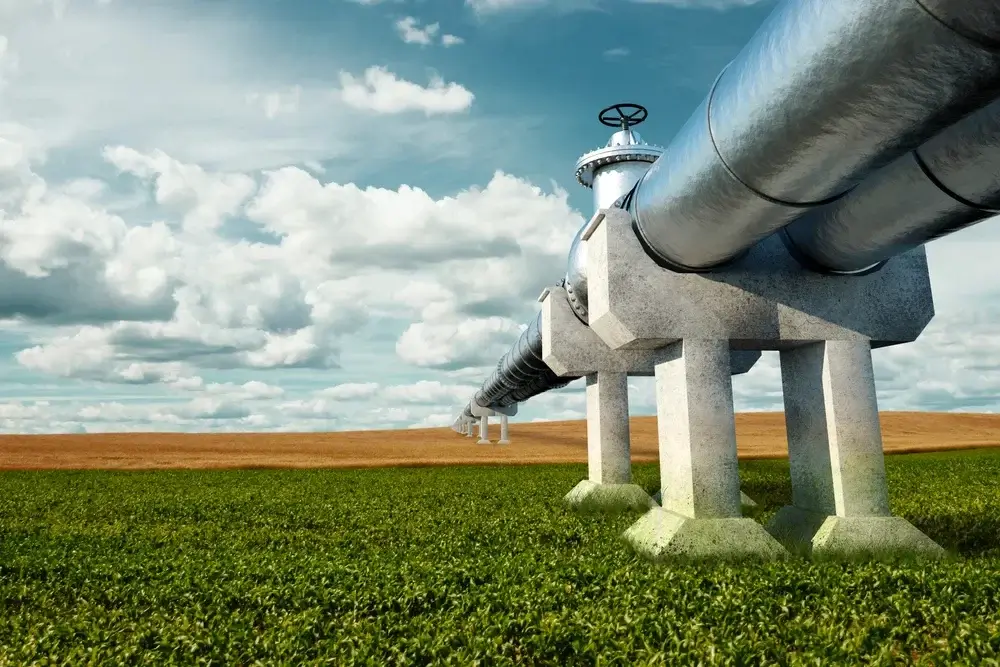
This creates a new technical challenge: Variable Gas Quality. The chemical composition, heating value, and methane number of the gas in the pipeline can fluctuate significantly.
PowerUP: Securing the “Bridge”
For operators of gas engines and power plants, this variability is a major risk. An engine tuned for stable pipeline gas can suffer from knocking, efficiency loss, or damage when fed a variable mixture of LNG and biomethane.
This is where PowerUP provides the solution. We understand that if we are to continue to use natural gas as a bridge, the equipment must be robust. We provide specialized gas engine spare parts and services designed to handle the rigors of the modern, variable gas grid.
We help you maintain high efficiency and low emissions, ensuring that your gas assets remain a profitable and reliable part of the energy future.