What is natural gas used for? Applications and advantages

Natural gas plays a key role in today’s energy landscape. From heating homes to powering large-scale industrial plants, it’s a reliable energy source that supports everyday life and brings its own advantages and challenges to the table. But what is natural gas used for, exactly?
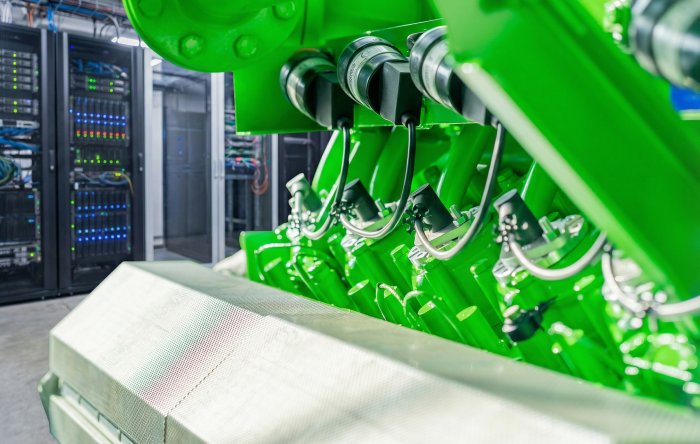
At PowerUP, we work every day to keep gas-powered engines running efficiently. In this article, we walk you through the different types of natural gas and show how the use of natural gas spans across sectors. We also explain why it will continue to matter in the future even as we tackle climate change.
Understanding the different types of natural gas
Before we explore its many applications, it is important to understand that not all gas is the same. Chemically, it is a mixture of hydrocarbons. There are several types. Each has specific characteristics that determine how it is extracted and stored.
The main categories include:
- Conventional natural gas: This is found in porous underground rock formations and extracted using traditional drilling techniques.
- Unconventional natural gas: This includes shale gas, tight gas, and coal bed methane which require advanced methods like hydraulic fracturing.
- Liquefied Natural Gas (LNG): This is natural gas cooled to a liquid state for easier transport over long distances.
- Compressed Natural Gas (CNG): This is stored at high pressure and is commonly used as a cleaner fuel in the transportation sector.
- Renewable Natural Gas (RNG): This is a newer category produced from organic waste such as agricultural byproduct, landfills, and wastewater.
No matter the type, natural gas is valued for its high-energy output and clean combustion.
What is natural gas used for? 8 Key Applications
Natural gas is versatile. Its applications range from residential comfort to heavy industrial processes.
1. Electricity generation
One of the largest drivers of global natural gas consumption is electricity generation. Natural gas-fired power plants play a key role in keeping the grid stable. They offer a quick start capability, which makes them ideal for backing up intermittent renewable energy sources like wind and solar. Turbines spin to create electric power for millions of homes.
2. Residential heating and cooking
For many, the answer to “what is natural gas used for” is home comfort. It heats homes through furnaces and powers water heaters. In the kitchen, it fuels stoves and ovens, which are preferred by chefs for precise heat control. Water heating and air conditioning units also frequently rely on this energy source.
3. Industrial uses and manufacturing
The industrial sector relies heavily on natural gas. It fuels process heating in sectors like cement, glass, steel, and chemical manufacturing. It also serves as a raw material or feedstock in producing fertilizers, plastics, synthetic materials, and hydrogen.
4. Transportation fuel
Natural gas vehicles are gaining traction as a cleaner alternative to diesel. Compressed natural gas powers city buses and delivery trucks, while LNG fuels long-haul transport and ships. This shift helps reduce particulate emissions in urban areas and promotes clean energy mobility.
5. Combined Heat and Power (CHP)
CHP systems generate electricity and useful heat in a single process. This maximizes energy efficiency. These setups are common in hospitals, universities, and factories where both power and heat are needed on site.
6. Commercial applications
Offices, schools, and shopping centers use natural gas for space heating and cooling. Commercial kitchens depend on it for cooking. Its reliability ensures consistent operations for businesses.
7. Backup power
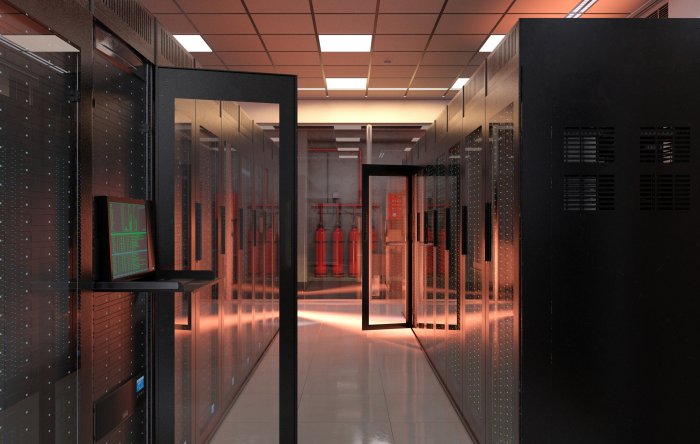
In critical facilities like data centers and hospitals, natural gas generators provide security. Unlike diesel, the fuel supply via natural gas pipelines is continuous, which eliminates the need for refueling during extended outages.
8. Feedstock for petrochemicals
Beyond burning, natural gas is chemically transformed. Components like ethane and propane are separated at processing plants and used to create essential products like medical devices and packaging.
How long can we continue to use natural gas?
Why industries choose natural gas
Natural gas is not just widely used but widely preferred. Across sectors, it offers a combination of benefits that few other sources of energy match.
Key advantages include:
- High Efficiency: Modern engines convert fuel into usable energy with minimal waste, especially in CHP modes.
- Clean Combustion: Compared to coal or crude oil, it burns cleaner. It produces less carbon dioxide and virtually no sulfur dioxide.
- Flexibility: Systems scale from small backup units to massive utility plants running 24/7.
- Energy Security: Well established infrastructure offers a stable supply. U.S. natural gas reserves and major hubs for natural gas production like Texas ensure domestic availability.
- Cost Effectiveness: In many markets, natural gas prices remain competitive compared to alternative fuels and biofuels.
These factors make it a staple for energy-intensive industries and utilities alike.
The future of natural gas and responsible use
Natural gas will continue to play a role in the global energy system. However, its future depends on responsible usage. While it is cleaner than other fossil fuels, it is still a source of greenhouse gas emissions.
That is why energy efficiency matters. Every reduction in fuel loss makes a difference. Technologies that maximize combustion efficiency and extend engine lifespan are key to minimizing the environmental impact.
Future trends include:
- Hydrogen blending, which involves using pipelines to distribute lower carbon fuel mixes.
- Renewable Natural Gas, which focuses on replacing fossil gas with biogas from landfills and farms.
- Carbon capture, which aims at reducing emissions directly at the point of use.
Natural gas is not a long-term solution to global warming on its own, but it is a vital part of a more stable energy future when used thoughtfully.
Renewable natural gas: What it is and why it matters for the future of energy

Making natural gas systems more efficient with PowerUP
At PowerUP, we specialize in making sure gas-powered engines deliver what they promise. We focus on reliability and performance, especially in sectors where power is non-negotiable.
We support your operations with:
- High-precision spare parts suitable for Jenbacher®, MWM®, Caterpillar®, MAN®, and other manufacturers.
- Upgrades to boost output and reduce unplanned downtime.
- Customized service solutions tailored to your specific operational needs.
- Remote monitoring enabling us to detect issues before they cause failures.
In a world where energy systems are under pressure, we make sure your engines keep doing what they do best.