Anaerobic digestion explained—Process, Benefits, and Uses
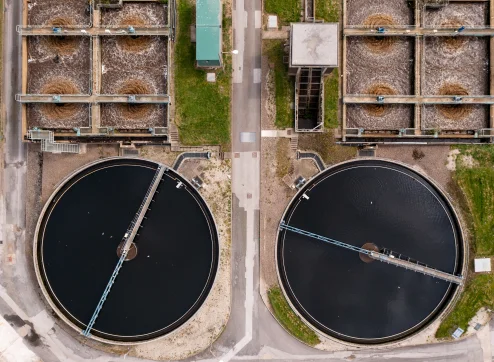
Anaerobic digestion is a natural process that turns organic biomass into biogas. If this renewable fuel is used correctly, the technology has the potential to close resource loops, support local energy production, and significantly reduce environmental impact.
In a world where resource efficiency determines profitability, understanding this process is vital. It allows farmers, municipalities, and industries to stop viewing waste as a burden and start seeing it as a raw material.
In this article, we explain how anaerobic digestion works, what end products it produces, where it is used, and how PowerUP supports biogas-powered energy systems that rely on this technology.
What is anaerobic digestion?
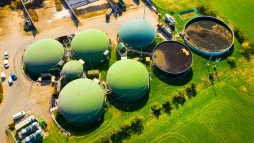
Anaerobic digestion is a biological process where microorganisms break down organic material, which is often referred to as biomass, in an environment characterized by the absence of oxygen. This process happens in natural settings like swamps but can also be carried out in controlled energy systems known as digesters or biogas plants.
Because anaerobic digestion uses materials that would otherwise go to waste, such as manure, food scraps, or wastewater, it minimizes waste while producing energy at the same time. You could say it turns a disposal challenge into an energy opportunity.
In essence, anaerobic digestion is a key technology for converting organic matter derived from plants or animals into renewable energy. It serves as an environmentally friendly alternative to fossil fuels and helps reduce the overall carbon footprint.
Turning waste into energy through the process
One of the most powerful aspects of anaerobic digestion is its ability to turn waste into usable energy. Organic biomass from agriculture, food production, and municipal treatment plants can be processed to generate fuel rather than being left to decompose uncontrolled. Uncontrolled decomposition would release methane, a potent greenhouse gas, directly into the atmosphere.
Instead of being a burden, this waste becomes a useful resource. Farmers can convert slurry, animal waste, and crop residues into energy to power equipment or heat buildings. Cities can use sewage sludge or food waste to generate electricity and reduce landfill use. Industrial processors can treat organic by-products on site to lower waste disposal costs while generating energy for operations.
By capturing methane and converting it into a controlled energy source, anaerobic digestion supports both sustainability and resource efficiency.
Does Biogas Have a Future? Growth, challenges, and outlook
Solar and wind are booming, but what about the veteran of renewables? We analyze the future of biogas in a decarbonized world. Discover why biomethane, circular economy models, and engine optimization will keep this industry relevant and profitable for decades to come.
How the anaerobic digestion process works
The process works by breaking down organic waste in an oxygen-free tank called a digester. Inside this sealed environment, specific microbes convert complex substances like carbohydrates, fats, and proteins into simpler compounds.
To keep the process running efficiently, the digester must maintain specific conditions such as stable temperature and consistent mixing. The process can be run in mesophilic conditions at moderate temperatures or thermophilic conditions at higher temperatures to speed up degradation and kill pathogens.
The biological breakdown happens in four key stages:
- Hydrolysis: Complex organic materials are broken down into simpler sugars and amino acids.
- Acidogenesis: These simpler compounds are converted into volatile fatty acids and alcohols.
- Acetogenesis: The intermediate products are further digested into acetic acid, hydrogen, and carbon dioxide.
- Methanogenesis: In the final stage, methane-producing bacteria convert these compounds into the main energy carrying component of biogas.
The efficiency of this fermentation depends heavily on the retention time of the substrate in the digester. A consistent supply of suitable feedstock is essential for a stable output.
Feedstock and Outputs: From input to value
The versatility of anaerobic digestion systems lies in their ability to handle a wide range of inputs. From liquid slurry to high solids stackable biomass, the technology is adaptable.
Common feedstocks include:
- Agricultural residues: Such as manure, straw, and silage.
- Municipal sources: Food waste from households (often called biowaste) and solid waste from processing plants.
- Industrial streams: Wastewater sludge and organic industrial by-products.
The process produces two valuable end products. The first is biogas, a mixture primarily made of methane and carbon dioxide, which acts as a versatile renewable fuel. It can be used in Combined Heat and Power (CHP) units for electricity generation or upgraded to biomethane (also known as renewable natural gas) for injection into the gas grid or use as vehicle fuel.
The second output is digestate. This nutrient-rich material remains after the gas has been extracted. It serves as a high quality fertiliser or soil conditioner, returning nitrogen and phosphorus to the land. This creates a circular system that supports biodegradable waste management.
6 Benefits of anaerobic digestion
There are several benefits to the use of anaerobic digestion that make it an increasingly important part of modern energy and waste management systems. It allows for the production of renewable energy from organic waste, helping reduce reliance on fossil fuels while capturing emissions that would otherwise escape.
Anaerobic digestion offers six distinct advantages:
- Renewable energy generation utilizes local organic biomass for power.
- Reduced greenhouse gas emissions help fight climate change by preventing methane release.
- Waste volume reduction offers safer handling of organic waste streams and reduces landfill usage.
- Support for circular systems is achieved by returning nutrients to the soil via biosolids and digestate.
- Energy security is improved through lower reliance on centralized power systems for farms and municipalities.
- Economic incentives benefit operators, as many government programs and subsidies support biogas production as a green initiative.
Unlike aerobic composting which requires oxygen and produces heat but no fuel, anaerobic digestion captures the energy potential within the waste.
Technical challenges and considerations
Despite its numerous advantages, the technology comes with technical challenges. These include the variability in quality as well as the need for specific production conditions that are not easily maintained.
Feedstock variability can affect gas output and microbial health. For example, high levels of contaminants or sulfur can lead to the formation of hydrogen sulfide, a corrosive gas that damages engines. Pre-treatment of the waste is often necessary to remove non organic materials or to break down tough structures.
Furthermore, gas quality fluctuations can lead to engine wear and reduced efficiency in CHP units. Ongoing maintenance is needed to keep digesters stable and systems running reliably.
How PowerUP supports anaerobic digestion systems
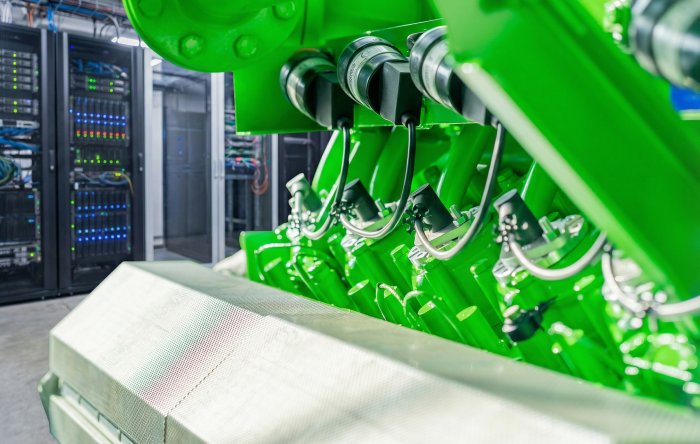
Engines running on biogas require stability, reliability, and resilience to gas quality variations. That is where PowerUP contributes. We understand that the digestion technology is only as good as the engine that converts the gas into money.
We help operators maintain the performance of gas engines fueled by anaerobic digestion through engine optimization. We ensure combustion stability even with fluctuating methane content. Our condition-based overhauls reduce downtime and extend service life by focusing on the actual wear of components.
We supply high-precision spare parts suitable for Jenbacher®, MWM®, Caterpillar®, MAN®, and other manufacturers designed to withstand the aggressive nature of biogas. Whether in agriculture, wastewater management, or industry, PowerUP supports reliable and efficient engine operation to make the most of the potential of anaerobic digestion.