The Pros and Cons of Biogas in detail

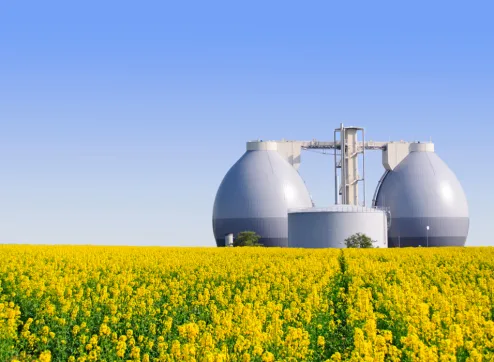
Biogas has emerged as a key player in the global shift towards sustainable energy. As a renewable energy source, it offers a powerful alternative to fossil fuels. But like any complex technology, it presents both significant advantages and serious challenges.
As experts in gas engine technology, we understand the practical realities of biogas operations. Many of the engines we service and optimize are at the heart of biogas plants, converting raw gas into electricity and heat.
This article provides a detailed, balanced look at the pros and cons of biogas to give operators and investors a clear understanding of this energy source.
The Pros of Biogas: A Sustainable Powerhouse
The advantages of biogas are powerful, positioning it as a unique solution that solves multiple problems at once.
Pro: A Reliable Renewable Energy Source
The first and most cited advantage is that biogas is a renewable energy source. Unlike solar and wind energy, which are intermittent and depend on the weather, biogas is a stable, dispatchable, and baseload-capable power source. A biogas plant can produce energy 20/7, 365 days a year, providing a reliable source of electricity and heat for the grid.
Pro: Effective Waste Management and Circular Economy
This is more than just “waste reduction”. Biogas plants are a perfect example of a circular economy. They take problematic waste streams—such as animal manure, agricultural residues, food waste, and sewage sludge—and valorize them. They turn an environmental liability (waste) into two valuable assets (energy and fertilizer), solving a major waste management problem for farms and communities.
Pro: Significant Reduction in Greenhouse Gas Emissions
The environmental benefits are twofold. First, when biogas is used for energy, it replaces fossil fuels like natural gas or coal, reducing the carbon footprint of energy generation. Second, and more importantly, the process actively prevents greenhouse gas emissions.
When organic waste like animal manure rots in the open, it releases massive amounts of methane—a greenhouse gas over 25 times more potent than carbon dioxide. A biogas plant captures this methane and converts it into less-potent CO2 (after combustion), resulting in a significant net reduction in greenhouse gas emissions.
Pro: Creating a High-Value By-product (Digestate)
The process does not just create gas. As we’ve detailed in our guide on by-products, the “waste” material left in the fermenter, called digestate, is a high-quality, nutrient-rich organic fertilizer. It is more stable, less odorous, and its nutrients are more available to plants than raw manure. For farmers, this is a massive financial “pro,” as it drastically reduces the need to purchase expensive synthetic chemical fertilizers.
The Cons of Biogas: Risks and Realities
Despite the clear advantages, investing in and operating a biogas plant involves significant challenges. A clear-eyed view of the “cons” is essential for success.
Con: High Initial Investment Costs
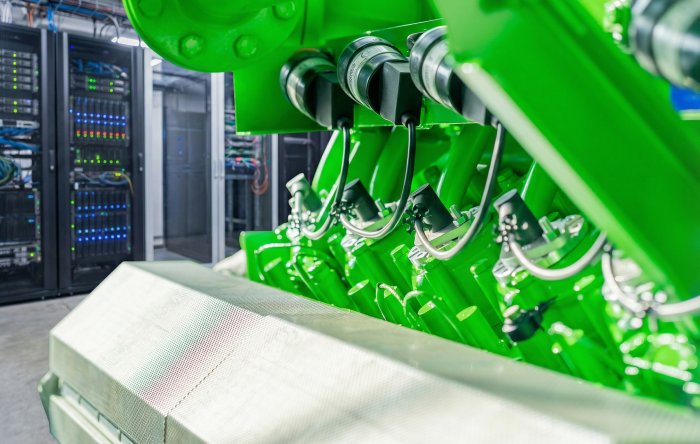
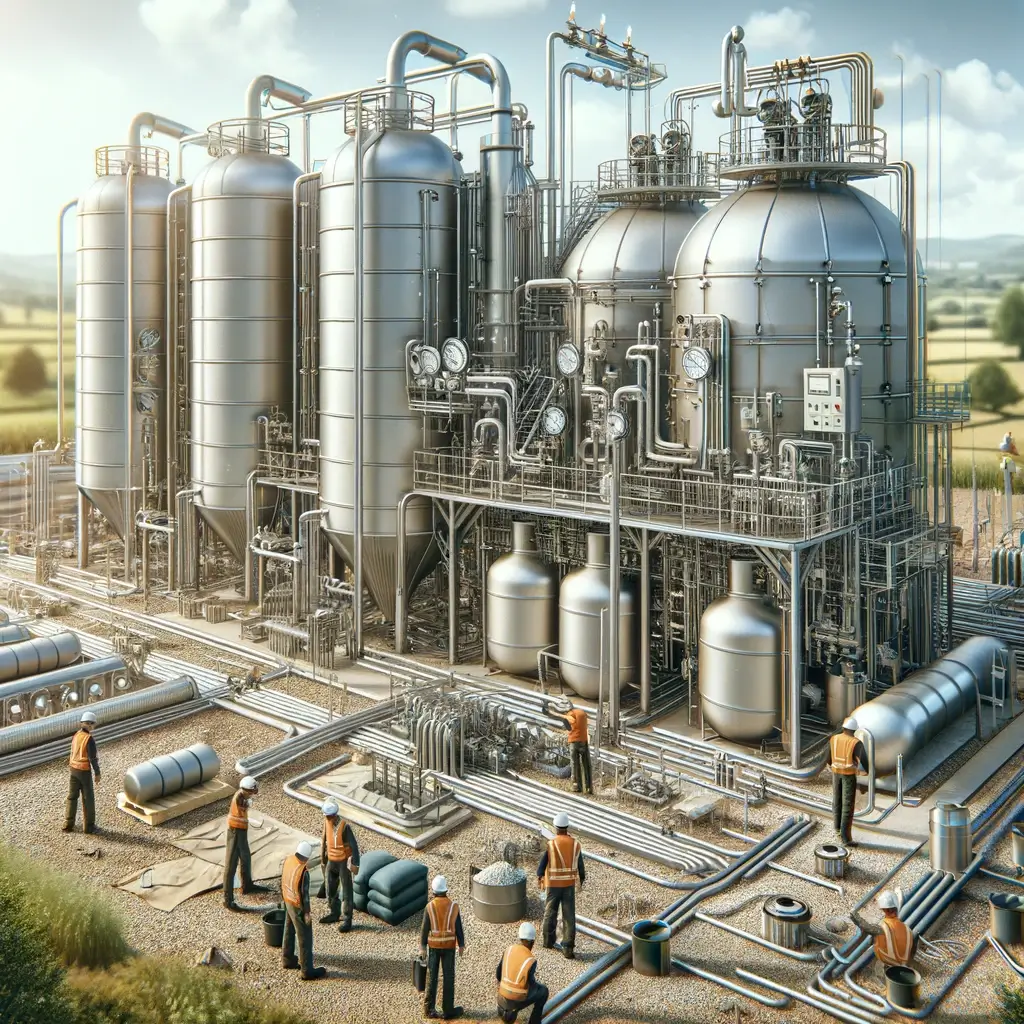
This is the most significant financial hurdle. The construction of a biogas plant is expensive. The costs include not only the large concrete fermenters and feedstock storage but also the sophisticated control systems, gas treatment equipment, and, most notably, the Combined Heat and Power (CHP) unit. This high-performance gas engine is one of the most expensive components and is essential for turning the gas into revenue.
Con: The Technical Challenges of Operation
This is the most critical operational “con.” A biogas plant is a complex system that can fail in two main ways:
- Biological Instability: The fermenter is a living biological system. It is sensitive to changes in temperature (a con in colder climates), feedstock consistency, and overfeeding. A biological crash (acidosis) can stop gas production for weeks, halting all income.
- Mechanical Failure: Raw biogas is not “clean”. It is a wet, corrosive gas often containing hydrogen sulfide (H2S) and abrasive siloxanes. These contaminants attack the mechanical components of the CHP engine, leading to frequent, costly maintenance and high rates of unplanned downtime.
Con: Feedstock Logistics and Availability
A biogas plant is a hungry system. It requires a continuous, large-scale, and consistent supply of organic materials. This creates a significant logistical challenge. Operators must secure a stable supply of biomass, agricultural residues, or food waste, which involves managing transport, storage, and potential supply-chain fluctuations.
Con: Environmental Concerns (Odor and Plant Location)
While biogas is “green,” the operation itself can have local environmental impacts. The storage of feedstock like manure or bio-waste can produce odor emissions, which can be a major source of conflict with nearby residents. This makes site selection a critical and often contentious “con,” requiring careful planning and odor-control technologies.
How PowerUP Mitigates the “Cons” of Biogas
While we cannot change the cost of building a fermenter (Con: High Initial Investment) or the logistics of your feedstock supply (Con: Feedstock Logistics), we directly solve the most expensive and damaging “con” of all: the technical challenges of operation.
The greatest risk that turns a profitable biogas plant into a financial failure is technical downtime and the high, unpredictable maintenance costs associated with it. This is where PowerUP provides critical, detailed value.
Mitigating High Operating Costs and Technical Failure
Our expertise directly addresses the biggest operational “con”—mechanical failure.
- Solving the Root Cause (Corrosive Gas): The core mechanical “con” is that raw biogas (with H2S, siloxanes, and moisture) destroys standard engine components. PowerUP provides high-performance gas engine spare parts, suitable for Jenbacher and MWM engines, that are specifically engineered to resist this. Our cylinder heads, pistons, and valves use advanced alloys and coatings that withstand the corrosive and abrasive nature of biogas, lasting longer and performing better.
- Reducing Total Cost of Ownership (TCO): While the initial investment “con” is high, our durable parts reduce your long-term operational costs. Fewer breakdowns and longer service intervals mean a lower total cost of ownership, improving the return on your initial investment.
- Eliminating Unplanned Downtime: The most expensive “con” is a stopped engine. Our expert gas engine services, from rapid repairs to full condition-based overhauls, are designed to prevent downtime.
Technology is our drive, efficiency our focus. We turn your biggest operational disadvantage—the high risk and cost of mechanical failure—into a reliable, predictable, and profitable asset. We keep your engine running so you can capitalize on all the “pros” of biogas.