Is biogas truly eco-friendly?

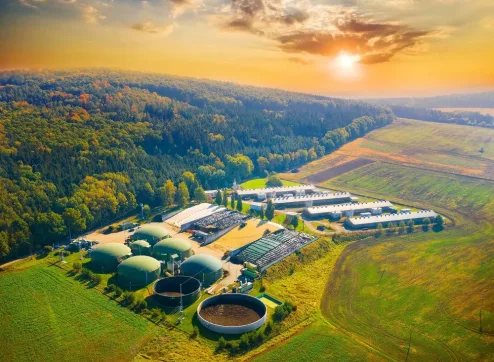
Biogas is frequently regarded as a green alternative to fossil fuels and offers a path to a more sustainable energy future. Derived from organic waste, it combines waste recycling with energy generation. However, how environmentally friendly is biogas in reality?
The answer is more complicated than a simple yes or no. While the production of biogas offers clear advantages, its true environmental friendliness depends entirely on the efficiency and management of the plant. This article explores the factors that define eco-friendly biogas and the risks that can make it harmful.
The “Yes” Case: Why Biogas is Eco-Friendly
Biogas offers three major environmental benefits that make it a cornerstone of sustainability.
1. It Creates a Carbon-Neutral Loop (Replacing Fossil Fuels)
Biogas is part of the biogenic carbon cycle. The CO2 released during the combustion of biogas was recently captured from the atmosphere by plants (e.g., energy crops or feed for animals that produce manure). Unlike natural gas or coal, burning biogas does not release ancient, sequestered carbon. It replaces fossil fuels and is therefore considered carbon-neutral.
2. It Actively Prevents Greenhouse Gas Emissions
This is arguably the greatest environmental benefit. When organic waste like animal manure or food scraps rots in the open (e.g., in a lagoon or landfill), it releases methane (CH4) directly into the atmosphere. Methane is a potent greenhouse gas, over 25 times more damaging to the climate than CO2.
A biogas plant captures this methane. It then converts it in a gas engine into electricity and less-potent CO2. Therefore, a biogas plant is not just carbon-neutral, it is climate-positive because it actively prevents harmful methane emissions.
3. It Enables a True Circular Economy (Waste Valorization)
Biogas plants are a perfect example of a circular economy. They take a problematic waste stream (such as agricultural waste, food residues, or animal by-products) and convert it into two high-value products:
- Energy: Renewable electricity and renewable heat.
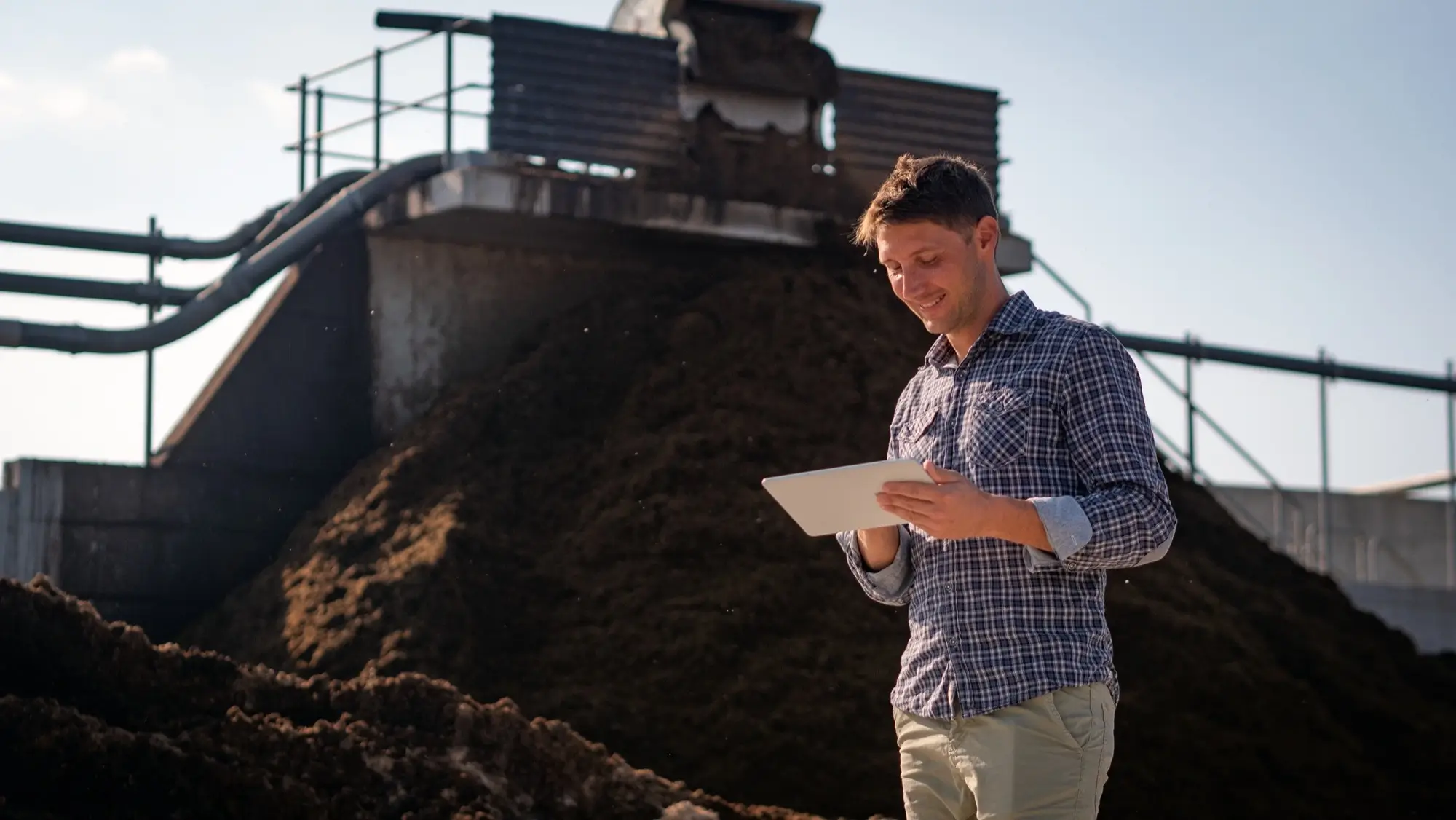
- Fertilizer: The digestate (fermentation residue) is a high-quality, nutrient-rich fertilizer that can replace chemical fertilizers.
Biogas Plants: A Comprehensive Guide to Biogas Production
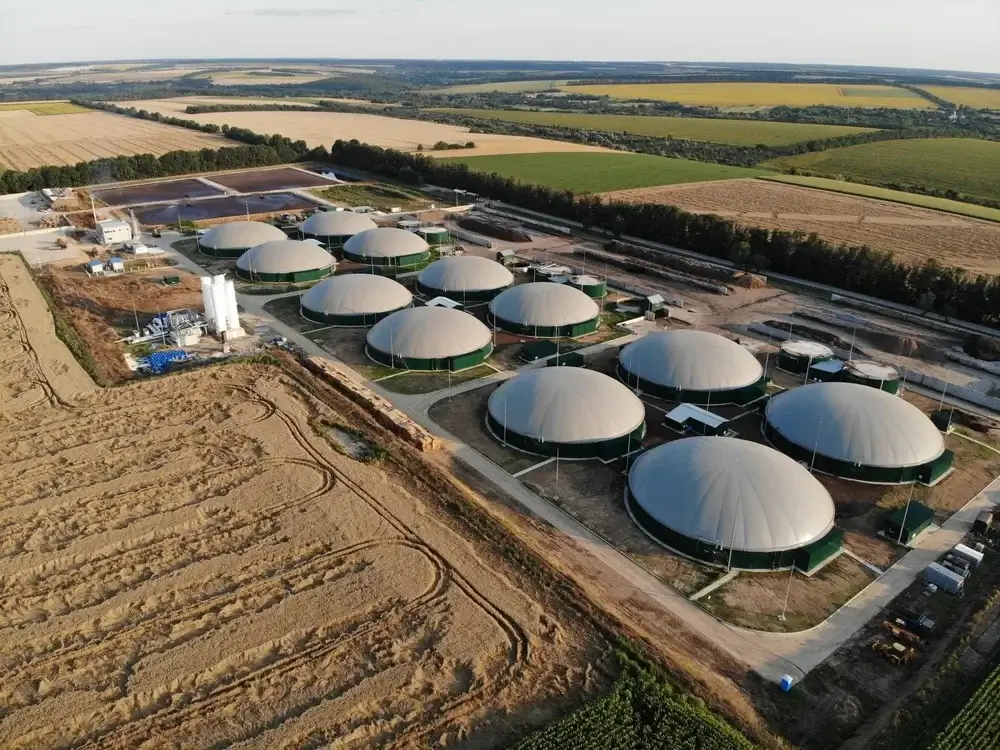
Our comprehensive guide to biogas plants. Learn how a biogas plant works, from anaerobic digestion in the digester to biogas production from organic waste, animal manure, and food waste.
The “No” Case: The Eco-Unfriendly Risks of Biogas
The Biogas is eco-friendly claim is not automatic. Poor operation poses significant environmental risks.
1. The Critical Challenge: Methane Slip (Leaks)
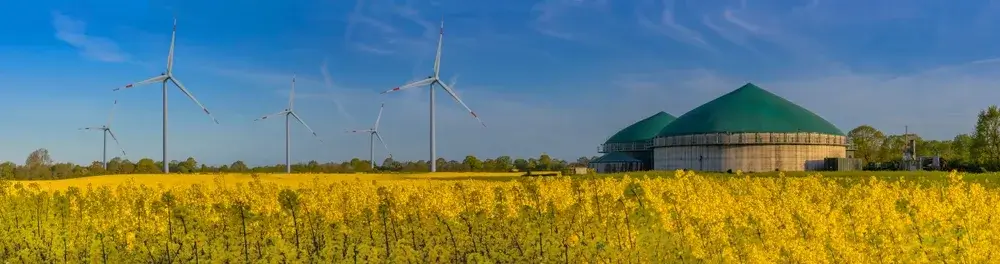
This is the biggest risk to the eco-friendly claim. If the plant is leaky (e.g., at fermenters or gas pipes) or the gas engine fails to burn the fuel completely, unburned methane escapes. This “methane slip” is extremely harmful to the climate. Even a small methane slip percentage can destroy the entire environmental advantage of the plant.
2. The Land Use Debate (Food vs. Fuel)
The environmental friendliness of biogas depends heavily on its feedstock. When biogas is made from true waste (manure, food scraps), its eco-balance is excellent. However, if valuable agricultural land is used to grow energy crops (like corn) instead of food, the eco-friendliness is questionable. This “food vs. fuel” debate is a major point of criticism.
3. Parasitic Energy Load (Efficiency)
A biogas plant consumes energy to run. The fermenter must be constantly heated, agitators and pumps require electricity, and upgrading biogas to biomethane is energy-intensive. If the plant is inefficient (e.g., due to a low-efficiency engine or poor insulation), its net energy gain—and thus its environmental benefit—is low.
The Verdict: Efficiency is the Key to Eco-Friendly Biogas
Biogas is not automatically eco-friendly. An inefficient, poorly maintained biogas plant with high methane slip is not eco-friendly.
However, an optimized, tight, and highly efficient plant is one of the best available technologies for both waste reduction and active climate protection. The answer to “Is biogas truly eco-friendly?” is: Yes, but only when it is operated efficiently.
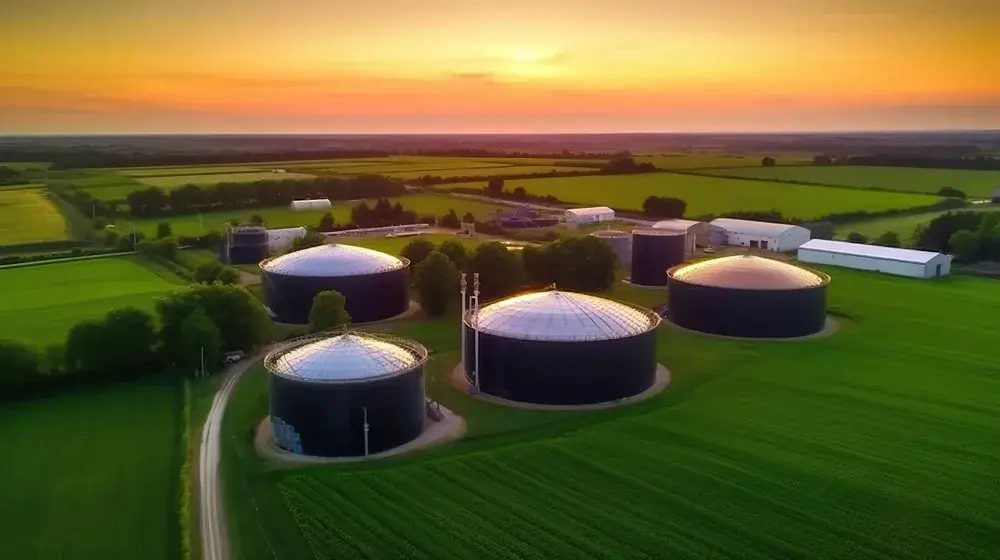
How PowerUP Ensures Your Biogas is Truly Eco-Friendly
The greatest risks to being eco-friendly are inefficiency and methane slip. Both problems are centered on the core component of every biogas plant: the gas engine.
- A poorly combusting engine creates high methane slip.
- An engine that fails stops heat production for the fermenter, killing the plant’s overall efficiency.
Technology is our drive, efficiency our focus. PowerUP delivers the technology that ensures efficiency and makes biogas truly eco-friendly. Our advanced gas engine upgrades, ignition systems, and high-quality spare parts for Jenbacher and MWM engines are designed to maximize combustion efficiency.
They reduce methane slip, maximize energy output (both electricity and heat), and lower the plant’s own parasitic energy consumption. PowerUP helps operators turn their plant from “potentially eco-friendly” to “provably eco-friendly and profitable.”