The Advantages of Gas Engines—Powering the Future Efficiently

The energy sector is in a state of rapid transformation. Volatile markets, stricter environmental regulations, and the global push for decarbonization place enormous pressure on operators. Whether you are running a biogas plant on a farm or managing a peak-shaving IPP facility, the challenge is the same: You need a power source that is reliable, profitable, and ready for the future.
This is where the gas engine proves its worth. Far from being an outdated technology, modern gas engines are the dynamic bridge between fossil fuels and a renewable future. They offer a unique blend of efficiency, environmental friendliness, and economic viability that few other technologies can match.
In this blog post, we delve into the multifaceted advantages of gas engines, exploring how they secure your bottom line while helping you meet the environmental targets of tomorrow.
Economic efficiency: Generating power and profit
For any operator, the first question is always about economic viability. One of the most compelling advantages of gas engines is their superior cost-effectiveness compared to other thermal power generation methods.
High efficiency and CHP
Gas engines excel in converting fuel into usable energy. Modern units achieve high electrical efficiency, but their true potential is unlocked in Combined Heat and Power (CHP) applications. By capturing waste heat for industrial processes or district heating, the total efficiency of a gas engine system can exceed 90%. For a plant manager, this means squeezing every cent of value out of the fuel source, drastically lowering operational costs over time.
Low operational costs
Compared to diesel generators, gas engines typically have lower fuel costs and cleaner combustion, which translates to reduced soot buildup and less frequent oil changes. When maintained with high-quality spare parts—suitable for Jenbacher®, MWM®, and other manufacturers—the Total Cost of Ownership (TCO) remains highly competitive.
Environmental benefits and renewable compatibility
The days of dirty power generation are numbered. A key driver for the adoption of gas engines is their ability to deliver reliable baseload power with a significantly reduced environmental footprint.
Lower emissions profile
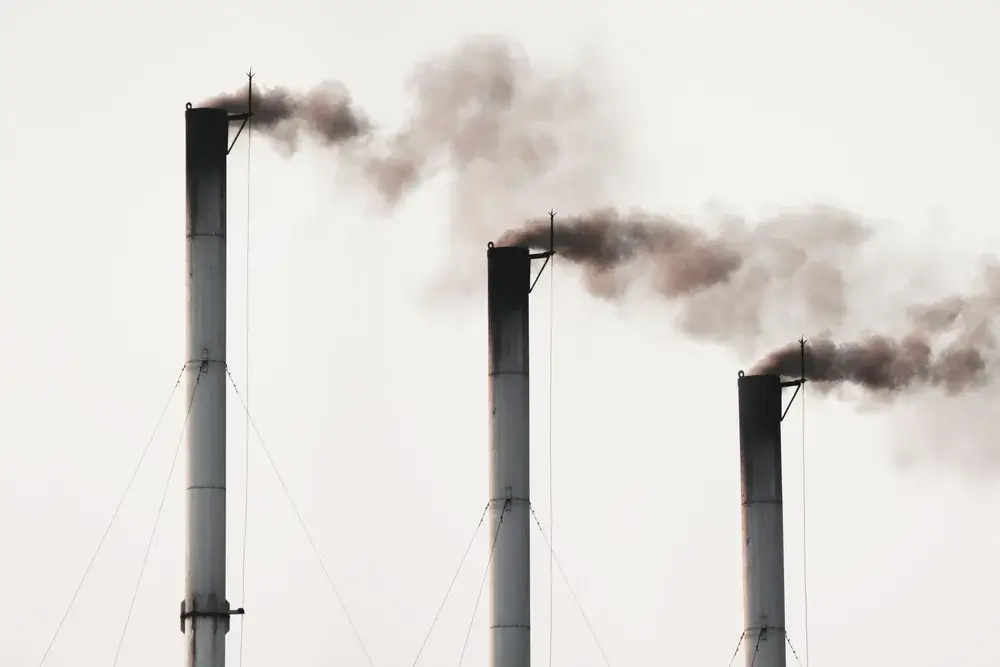
Gas engines emit significantly fewer pollutants such as nitrogen oxides (NOₓ), sulfur dioxide (SO₂), and particulate matter compared to coal or diesel counterparts. This cleaner combustion is essential for complying with increasingly strict global emission standards without needing excessively complex after-treatment systems.
The renewable advantage: Biogas and Hydrogen
Perhaps the most significant advantage is fuel flexibility. Gas engines are not tied to fossil natural gas. They are the prime movers for the renewable energy revolution. They run efficiently on:
- Biogas: Produced from organic waste in agriculture or landfills.
- Landfill Gas: Turning waste into energy.
- Hydrogen Blends: Many modern engines are already capable of running on hydrogen mixtures, making them a future-proof investment as the hydrogen economy scales up.
This adaptability allows operators to transition toward a circular economy, reducing dependency on fossil fuels while maintaining grid stability.
Agility and grid stabilization
In an energy mix increasingly dominated by intermittent renewables like wind and solar, the grid needs stability. This is where gas engines outshine almost all other technologies.
Fast start-up and load response
Unlike large steam turbines that take hours to ramp up, gas engines are agile. They can start up quickly and adjust to load changes in minutes. This makes them the perfect partner for renewable energy. When the wind stops blowing or the sun sets, gas engines—often operated by Independent Power Producers (IPPs)—kick in to stabilize the grid.
This responsiveness is vital for preventing blackouts and ensuring a steady supply of power to hospitals, data centers, and manufacturing plants. It transforms the gas engine from a simple generator into a critical grid asset.
Durability meets intelligent maintenance
Gas engines are renowned for their robustness. They are designed to withstand rigorous continuous operation (24/7) under high thermal loads. However, even the most durable machine requires care to maintain its advantages.
Prolonging lifecycle with the right parts
The durability of a gas engine translates to fewer breakdowns, provided it is serviced correctly. This is where PowerUP comes in. By using condition-based overhaul strategies and high-quality spare parts suitable for Jenbacher®, Caterpillar®, MWM®, and other manufacturers, you can significantly extend the operational life of your asset.
Optimized components, such as upgraded cylinder heads or long-life spark plugs, ensure that the engine doesn’t just run, but runs at peak efficiency for longer intervals.

Discover the new
PowerUp Shop!
Find high-quality parts for your gas engines – fast, reliable, and built for performance.
Optimize your energy future with PowerUP
The advantages of gas engines—efficiency, flexibility, and sustainability—are clear. But to fully realize them, you need a partner who understands the technology inside out. PowerUP brings state-of-the-art gas engine services and parts to your facility, ensuring your equipment performs at its best.
We cater to various needs, from residential backup to industrial baseload. Whether you are looking to optimize an existing asset or need parts suitable for different manufacturers, we support your shift toward a more efficient energy future.