What is IPP Energy?

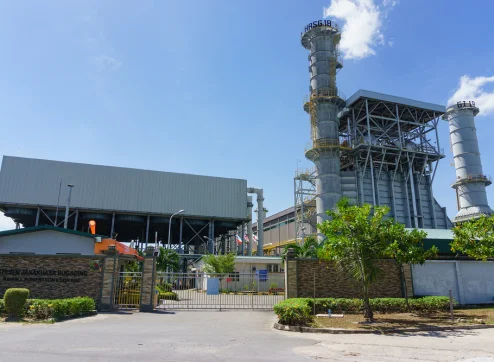
In the modern energy landscape, the term “IPP Energy” defines the specific product generated by Independent Power Producers (IPPs). This is not just electricity, it is a competitive commodity bought and sold in the global electricity market.
Unlike the power supplied by traditional utilities, which often operate within a regulated monopoly, IPP energy is the output of a dynamic and competitive business model. It is the primary product of the energy industry’s shift to privatization and a fundamental component driving the global energy transition towards sustainable energy.
IPP Energy vs. Public Utility Power: A Key Distinction
To understand “IPP Energy,” it is essential to distinguish it from the product sold by a public utility or traditional utilities. The difference is not in the electrons themselves, but in the business model behind them.
The Business Model: Competition vs. Monopoly
Power from traditional utilities is often generated and sold within a regulated monopoly. In this model, one company typically owns the power plants, the electricity grid, and the end-user relationship.
IPP energy, in contrast, is the product of a competitive, unbundled energy market. IPP providers are specialized energy production companies that must compete on price, efficiency, and sustainability to win customers.
The Consumer: End Users and Electric Utilities
So, who buys IPP energy? The customers are diverse. They can be large industrial end users (like a factory or data center) who buy power directly from an IPP to secure stable pricing. More commonly, the customers are the traditional utilities themselves.
These electric utilities are often required by regulatory changes to source a portion of their power supply through competitive procurement processes, making IPPs their wholesale suppliers.
How IPP Energy is Sold: Contracts and Market Mechanisms
“IPP Energy” is a product defined by how it is sold. The value and profitability of an IPP power plant are not just based on the electricity it can produce, but on the contracts it secures to sell that electricity.
The Power Purchase Agreement (PPA): The Core Asset
The most critical mechanism in the energy sector is the Power Purchase Agreement (PPA). A PPA is a long-term contract between an IPP (the seller) and a buyer (often a public utility or large corporation).
This contract is the financial backbone of most IPP energy systems. It sets a fixed price for the IPP energy over a long period (often 10-25 years), which guarantees a stable revenue stream. This guarantee is what makes large-scale renewable energy projects financially viable for investors.
Feed-in Tariffs and Competitive Procurement
Beyond direct PPAs, IPP energy is often sold through two other primary channels. Feed-in tariffs are government-mandated price guarantees. Under this system, the public utility is legally required to purchase renewable energy (like from biogas or solar farms) at an above-market rate, creating a secure incentive for green energy initiatives.
Alternatively, many governments and utilities use a competitive procurement process, where IPPs bid against each other to win contracts for power supply, driving down the cost of energy generation.
The “Flavors” of IPP Energy: The Energy Sources
“IPP Energy” is also defined by its source. The business model of an IPP allows it to specialize in different types of electricity generation, from massive renewable energy projects to high-efficiency natural gas plants. These diverse energy sources cater to different needs within the electricity market.
Renewable Energy: The Driver of the Energy Transition
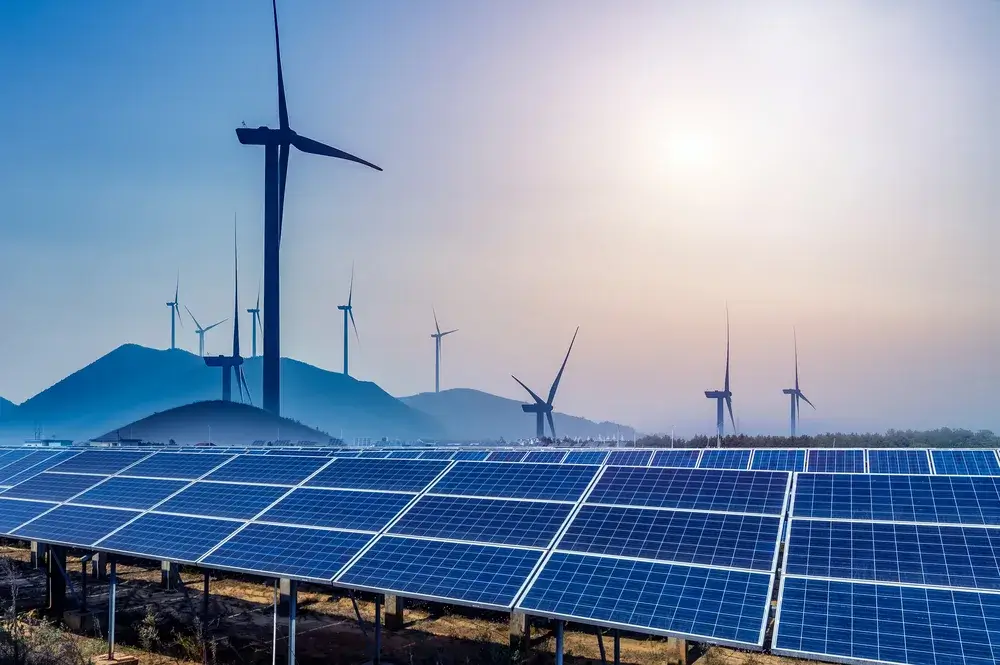
The most significant growth in the energy landscape comes from renewable energy initiatives. IPP energy is increasingly synonymous with clean energy and green energy. Independent Power Producers are the primary investors in new renewable technologies and renewable energy sources, including:
- Solar Power: This includes large-scale solar farms and photovoltaic installations.
- Wind Power: This ranges from onshore wind farms to massive offshore installations.
- Bio-Energy: This involves energy generation from biomass and biogas, which turns waste products into a reliable power supply.
- Hydro Power: In regions where it is available, hydro power remains a key part of the renewable resources portfolio.
Natural Gas and Fossil Fuels: Ensuring Power Supply Stability
While renewable energy projects are the future, their intermittent nature (wind and solar fluctuations) creates a stability challenge for the electricity grid. This is why IPP energy from fossil fuels — primarily high-efficiency natural gas power plants — remains essential.
These generation facilities are dispatchable, meaning they can be turned on quickly to balance fluctuations and guarantee a reliable power supply when renewable resources are unavailable.
The New Frontier: Energy Storage
A new and rapidly growing type of IPP energy product is energy storage. Independent Power Producers are now building large-scale battery energy systems.
These generation facilities do not create new energy production, instead, they “store” cheap green energy when it is abundant and sell it back to the electricity grid during peak demand or when fluctuations occur. This is a critical technology for enabling a 100% renewable energy future.
Key Challenges in Delivering IPP Energy Profitably
While the energy industry offers huge opportunities, the business model for IPP providers also carries significant risks. Delivering the product “IPP Energy” profitably means navigating a complex set of market and operational hurdles.
Market Risks: Regulatory Changes and Fluctuations
The profitability of IPP energy systems is highly sensitive to market fluctuations and regulatory changes. A government decision to end feed-in tariffs can impact the financial viability of new renewable energy projects.
Furthermore, volatile energy market prices for natural gas (a fuel cost) versus the price of electricity (a revenue source) create constant financial pressure.
Operational Risks: Emissions and Downtime
The single greatest challenge is operational. If an IPP’s generation facilities fail, the product “IPP Energy” cannot be delivered. This downtime is a direct breach of a Power Purchase Agreement (PPA), leading to immediate revenue loss and severe penalties.
Furthermore, failing to meet emissions standards for greenhouse gas can threaten an IPP’s license to operate, especially for renewable energy providers whose sustainability is their key selling point.
PowerUP: Ensuring Your IPP Energy Production is Reliable and Cost-Effective
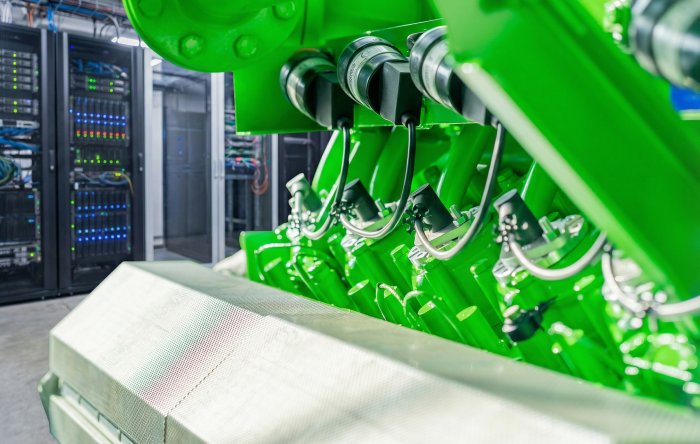
The ultimate profitability of “IPP Energy” as a product depends directly on the reliability of the power plants that create it. This is especially true for the dispatchable natural gas and biogas engines that provide baseline power and balance fluctuations from renewable resources. Technology is our drive, efficiency our focus.
PowerUP is the ideal partner for Independent Power Producers who rely on Jenbacher and MWM generation facilities. We provide the specialized, high-durability suitable spare parts, upgrades, and expert service that IPP providers need.
We help you minimize downtime, reduce harmful emissions, and ensure your energy production is as cost-effective as possible. We secure the reliability of your energy systems so you can deliver on your PPAs and lead the energy transition.