The Advantages of Captive Power Plants: Why Energy Independence Pays Off

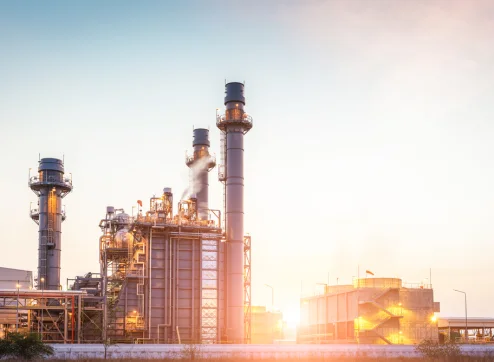
In an era of fluctuating energy markets and aging infrastructure, relying solely on the public grid is a risk many companies can no longer afford. For industrial players, the question is not if they should secure their own power, but how. This is where the advantages of a Captive Power Plant become a game-changer.
By shifting from being a passive consumer to an active operator of Captive Power Generation, businesses regain control. Whether you run a textile mill in South Asia or a data center in Europe, the benefits are universal: lower costs, higher reliability, and a predictable future.
But owning an asset like a gas engine requires strategy. In this article, we break down the key financial and operational benefits of captive power plants and show you why “making it yourself” is often the smartest business decision you can make.
Quick Comparison: Public Grid vs. Captive Power
Before diving into the details, here is why industry leaders are switching to on-site generation:
| Feature | Public Grid Supply | Captive Power Plant (CPP) |
| Cost Stability | Low (Volatile market prices) | High (Controlled generation costs) |
| Reliability | Variable (Prone to outages/brownouts) | High (Island mode capability) |
| Efficiency | Low (~40-50% due to transmission loss) | Very High (>90% with CHP) |
| Control | None (Dependent on utility) | Full (Operational independence) |
| Sustainability | Mixed (Often coal/nuclear heavy) | Customizable (Gas, Biogas, Hydrogen) |
1. Massive Reduction in Energy Costs
The most compelling argument for most CFOs is the bottom line. Industrial electricity tariffs from the grid are often loaded with surcharges: transmission fees, distribution costs, green taxes, and peak-demand penalties.
With a captive power plant, you effectively cut out the middleman. By generating electricity on-site (distributed generation), you avoid transmission losses and grid fees.
- Lower LCOE: The Levelized Cost of Electricity from a well-run gas engine is often significantly lower than the commercial grid rate.
- Peak Shaving: Even if you remain grid-connected, you can run your engines during expensive peak hours to avoid astronomical “demand charges” from utilities.
This cost efficiency is the foundation of a competitive production process.
2. Unmatched Reliability and Security
For energy-intensive industries, a power outage is not just an inconvenience—it is a disaster. A sudden frequency drop can break threads in textile machines, ruin batches in chemical processing, or crash servers in data centers.
A Captive Power Plant acts as your shield. In “Island Mode”, your facility operates completely independently of the public grid’s failures. You determine the quality of your voltage and frequency. This stability protects your expensive machinery from damage and ensures that your delivery timelines are met, regardless of what happens outside your factory gates.
3. High Efficiency through CHP Integration
One of the often-overlooked benefits is the potential for thermal efficiency. A standard grid power station wastes nearly 60% of energy as heat. In your own plant, you can use this.
By implementing Combined Heat and Power (CHP), you capture waste heat for steam or hot water. This can push total efficiency above 90%. Understanding the difference between Captive Power Plants and CHP Plants is crucial here: while every CHP is a captive plant, not every captive plant utilizes heat.
If you do, you effectively get your thermal energy for free, drastically reducing your fuel consumption for boilers.
Learn more about CHP in our detailed article:
4. Strategic Independence vs. IPP Models
Many companies consider outsourcing their power needs to an Independent Power Producer (IPP). While this removes the burden of operation, it binds you to long-term contracts.
Owning your plant gives you full strategic freedom. You are not dependent on the terms of a third party. To understand why this matters for your specific business case, it is worth looking at the difference between IPP and PPA structures.
As a captive owner, you avoid the complexity of Power Purchase Agreements (PPAs) and retain 100% of the savings generated by your asset. You decide when to run, when to maintain, and when to upgrade.
5. Turning Energy into Revenue (Excess Power)
A Captive Power Plant is not just a cost-saving tool; it can be a revenue generator. If your plant is grid-connected, you are not limited to your own consumption.
- Selling Surplus: During periods of low production but high engine availability, you can sell excess power back to the grid.
- Grid Balancing: In some advanced markets, you can participate in “balancing markets”, getting paid to ramp up your engines to stabilize the national grid.
This turns your energy department from a cost center into a potential profit center.
6. Scalability and Modular Growth
Unlike a massive coal plant, gas-engine-based captive plants are modular. You don’t need to build capacity for the next 20 years today.
- Pay as you grow: You can start with a 2 MW container solution and add more units as your factory expands.
- Flexibility: This modular approach reduces initial CapEx risks and allows you to adapt your energy infrastructure dynamically to market demands.
7. Sustainability and Decarbonization
Sustainability is no longer optional. A captive plant allows you to curate your own energy mix. You are not forced to use the carbon-heavy electricity from the national grid.
- Fuel Flexibility: Modern gas engines can run on natural gas, biogas, or hydrogen blends.
- Hybridization: You can integrate solar panels with your engines. The gas engine balances the volatility of the sun, creating a reliable, low-carbon microgrid.
This proactive approach to Captive Power Generation improves your ESG rating and positions your brand as a leader in green manufacturing.
Maximizing the Advantages with PowerUP
Installing the plant is step one. Keeping it efficient is step two. The advantages of a captive power plant quickly fade if the engine is down due to poor maintenance.
This is where PowerUP steps in. We ensure that your asset delivers on its promise of cost savings and reliability.
- Spare Parts: We provide high-quality alternatives to OEM parts, keeping your OpEx low.
- Overhauls: Our condition-based overhaul strategies minimize downtime, ensuring your plant is running when you need it most.
- Upgrades: We optimize engines for higher efficiency, helping you squeeze every kilowatt out of your fuel.
Don’t just build a power plant—operate it with excellence. Partner with PowerUP to secure your energy future.