What does the abbreviation CHP stand for? Definition & Meaning

If you type “CHP” into a search engine in the United States, you might be looking for highway safety. But if you are looking for energy efficiency, CHP stands for Combined Heat and Power.
Also known as cogeneration, this technology is the backbone of modern, distributed energy strategies. While traditional power generation wastes massive amounts of energy, CHP systems utilize resources twice.
In this article, we explain the CHP meaning, distinguish it from law enforcement, and show why this technology is vital for the future of our electric grid.
CHP Meaning: Energy, not Law Enforcement
Let’s clear the air immediately. In the context of gov agencies and traffic, CHP refers to the California Highway Patrol. However, in the world of energy systems and engineering, CHP refers exclusively to Combined Heat and Power.
It describes a process where a power plant or an on-site engine generates two forms of energy from a single fuel source simultaneously:
- Electricity generation (Power)
- Thermal energy (Heat)
The Core Concept: What is Cogeneration?
Cogeneration is the technical synonym for CHP. To understand the benefit, we must look at how standard electricity is produced.
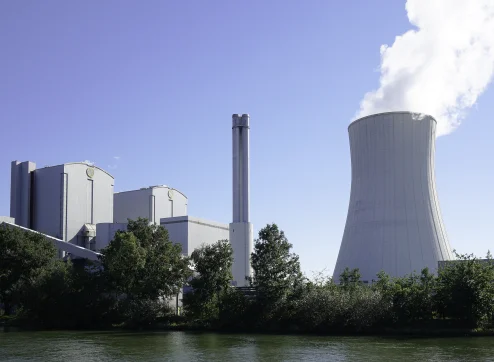
In a conventional centralized power plant (burning coal or fossil fuels), roughly 60% of the energy content is lost as waste heat through cooling towers. It simply evaporates into the atmosphere.
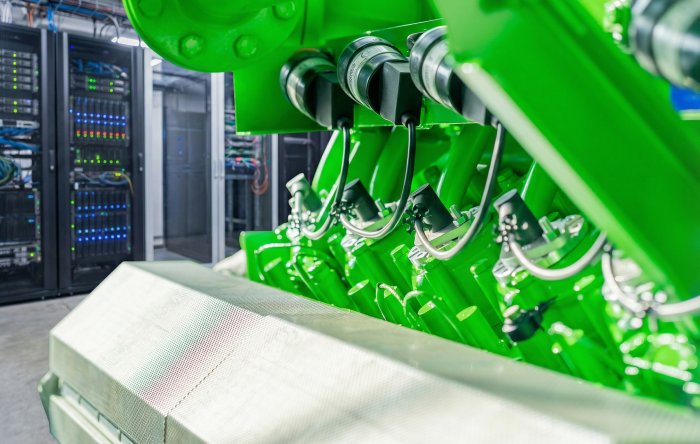
CHP technologies capture this “waste”.A reciprocating engine (gas engine) drives a generator to produce electricity. Simultaneously, heat exchangers recover thermal energy from the exhaust and cooling systems. This turns potential waste into useful heat for:
- Hot water for buildings.
- Process heat (steam) for manufacturing.
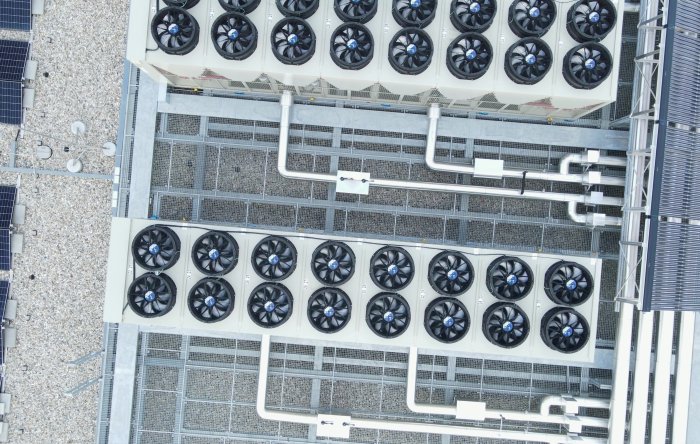
- Chilled water (via absorption chillers) for air conditioning.
By using the heat that others waste, CHP systems achieve energy efficiency levels of over 90%, drastically reducing greenhouse gas emissions and the carbon footprint.
Want to know more? Read our deep dive:
Where are CHP Systems used? Applications & Sectors
Combined heat & power is versatile. It scales from a small unit in a single-family house to massive industrial plants. To truly understand the impact, we must look at the specific sectors where this technology is a game-changer.
1. Industrial & Commercial (On-Site Power)
This sector represents the largest share of global CHP capacity. Facilities with high, continuous thermal and electric loads benefit the most.
- Manufacturing: Industries like chemical refining, pulp and paper, and food processing require vast amounts of process heat (often in the form of steam) and reliable electricity. A CHP system provides both at a fraction of the cost of purchasing them separately.
- Institutions: Hospitals, nursing homes, and hotels operate 24/7. They need constant hot water, sterilization steam, and reliable power. On-site cogeneration ensures that patient care or guest comfort continues uninterrupted, even if the external grid fails.
2. District Energy Systems
District energy takes the efficiency of CHP and applies it to a whole neighborhood or city. Instead of every building having its own boiler and chiller, a central power plant supplies an entire network.
- Urban Efficiency: Steam or hot water is distributed via underground pipes to heat downtown business districts or residential complexes.
- Campuses: Universities and military bases often function as their own “cities” with a central cogeneration plant providing all energy needs. This centralization reduces maintenance costs for individual buildings and allows for easier integration of renewable energy sources into the heat network.
3. Microgrids and Resilience
The US electric grid is aging and increasingly vulnerable. Extreme weather events cause frequent outages that cost businesses billions.
- Island Mode: CHP systems are the heartbeat of modern microgrids. In the event of a blackout, the system can disconnect from the main grid (island mode) and continue to supply local power and heat independently.
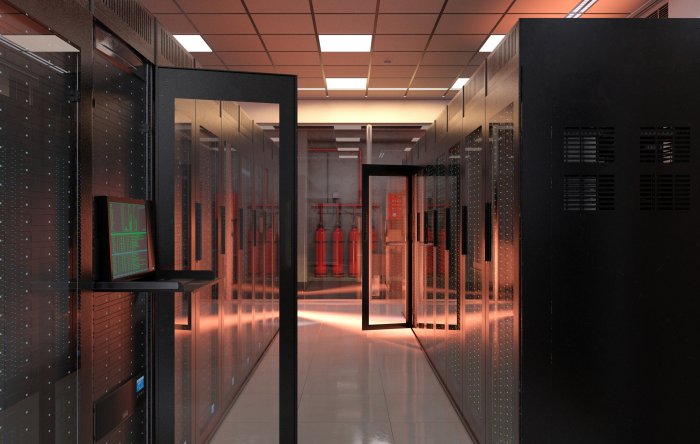
- Critical Infrastructure: For data centers, wastewater treatment plants, and emergency services, downtime is not an option. A gas-powered CHP provides the ultimate insurance policy against grid instability, ensuring security of supply when it matters most.
Fuel Flexibility: The Driver of Clean Energy
Historically, natural gas has been the primary energy source for CHP due to its clean combustion. However, the definition of CHP is evolving with the energy transition.
Today, renewable energy fuels are taking over:
- Biogas from agriculture.
- Landfill gas from waste management.
- Hydrogen blends.
Learn more about the right choice in our guide:
Why is the CHP meaning important for your wallet?
Understanding the abbreviation is the first step. Understanding the economics is the second. CHP systems offer:
- Lower Energy Bills: By generating your own power and heat, you buy less from the utility.
- Incentives: The US government (gov) supports chp technologies through the Investment Tax Credit (ITC).
- Sustainability: Less fuel burned means fewer emissions.
We analyzed the numbers for you:
Conclusion: From Definition to Performance
CHP stands for Combined Heat and Power. It means efficiency, resilience, and sustainability. But knowing the definition doesn’t keep the lights on. Maintaining the machinery does.
Energy technologies like gas engines require specialized care. Whether you are running a natural gas plant in Texas or a biogas facility in Germany, the engine needs high-quality parts to deliver on the promise of cogeneration.
At PowerUP, we provide the gas engine parts, upgrades, and expertise to keep your power generation running. Don’t just settle for knowing what CHP means—make sure your CHP pays off.