The History of INNIO Jenbacher® – Innovation born from Tradition

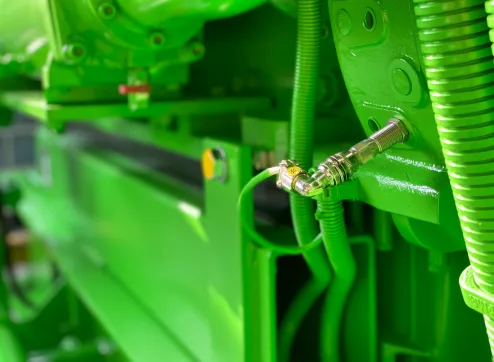
When you think of efficient gas engines and decentralized power generation today, one name almost always comes to mind: Jenbacher.
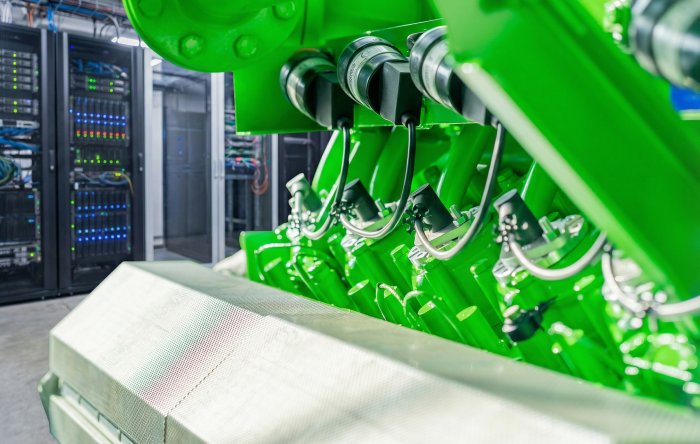
These green aggregates are found all over the world—powering greenhouses in Europe, stabilizing data centers in the US, and running biogas plants in Asia. But this global success is the result of a long evolution.
The history of INNIO Jenbacher is a story of technical foresight, engineering art from Tyrol (Tirol), Austria, and the right instinct for the energy sources of the future.
In this article, we look back at the milestones that turned a local factory into a world market leader and show why this jenbacher technology is relevant for your power plant today.
1959: The Foundation in Tyrol
It all began in the small market town of Jenbach in Austria. Although the location had a long industrial tradition, the year 1959 marked the official starting signal for Jenbacher Werke in its modern form.
In the early years, the company focused—like many at the time—on the production of diesel engines and compressors. The quality “Made in Austria” quickly spread. But the engineers in Tyrol were not satisfied with the status quo. They sought ways to make engines more efficient and versatile—a mindset that is anchored in the DNA of INNIO Jenbacher to this day.
The Vision of the 70s: The Shift to Gas Engines
The most important turning point occurred in the early 1970s. While the global economy was shaken by the oil crisis, management made a bold decision: The focus should shift away from diesel and towards natural gas.
They recognized the potential of natural gas as a cleaner alternative but also saw the possibilities inherent in biogas and other special gases like landfill gas or sewage gas. This strategic pivot was the birth of today’s technological leadership.
Jenbacher developed gas engines that not only burned gas, but did so with an efficiency that changed the market for Combined Heat and Power (CHP) and cogeneration. This allowed industries to utilize green energy efficiently, paving the way for modern trigeneration applications (cooling, heat, and power).
2003: The Era of General Electric (GE Jenbacher)
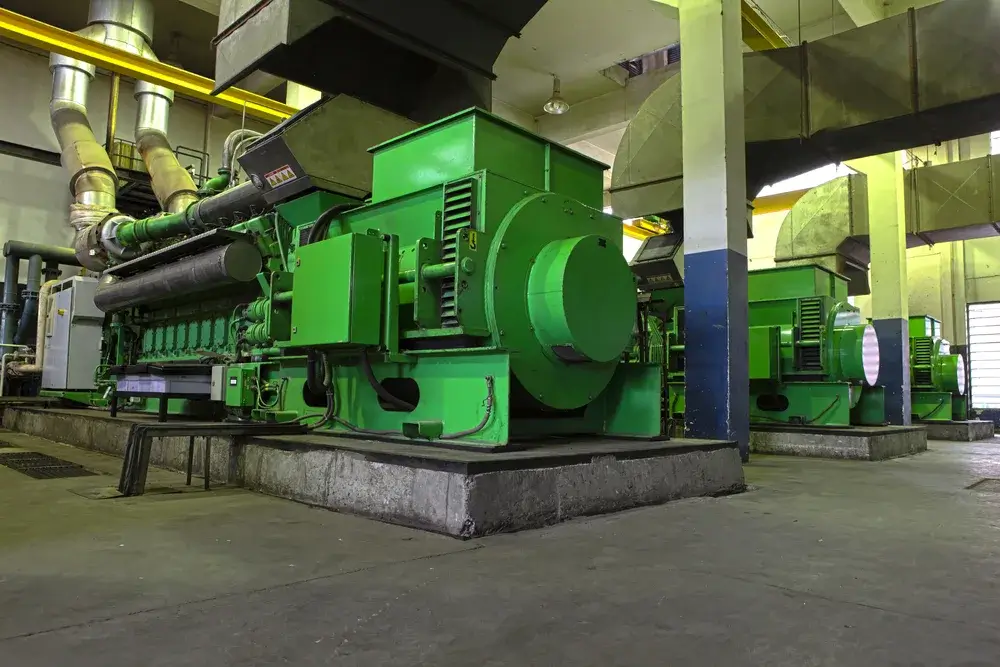
With success came international interest. In 2003, the company became part of the US giant General Electric. Under the name GE Jenbacher, an era of massive global expansion began.
As part of the “Distributed Power” division, Jenbacher gained access to worldwide networks of distributors and enormous resources for research and development. This period saw important advancements in popular series (such as the Jenbacher Type 3 and 6), which set new standards in power solutions. Many of the Jenbacher gas engines running onsite today originate from this formative GE era.
2018: The Birth of the INNIO Group
In 2018, a new chapter was opened. The Distributed Power business unit was reformed as an independent energy company: The INNIO Group was born.
Under this new roof, two of the strongest brands in the industry united: INNIO Jenbacher and Waukesha (renowned for Waukesha engines). While Waukesha serves the compression market, INNIO Jenbacher in Austria focused on energy solutions for a world on the way to Net Zero. You can find more details on their corporate direction at innio.com.
The Ultimate Guide to Jenbacher® Gas Engines
Discover everything about INNIO Jenbacher engines: From Type 2 to Type 9, biogas, MyPlant, and cogeneration. Maximize your power generation with PowerUP.
Innovation Today: Microgrids and J920 FleXtra
Today, INNIO Jenbacher stands at the forefront of technological development. The themes of the time are digitalization (with solutions like MyPlant) and decarbonization through renewable gases.
Modern engines, like the flagship J920 FleXtra, reach electrical efficiencies that were previously considered unattainable. Moreover, many new engines are “Ready for H₂”—capable of running on syngas or hydrogen mixtures. This foresight supports microgrid applications and critical infrastructure like data centers, ensuring reliable power generation even when the grid fails.
PowerUP: Keeping the History Alive
A history of over 60 years means there are thousands of Jenbacher gas engines in the field that are not brand new but must deliver performance daily.
This is exactly where PowerUP comes into play. As one of the leading independent service providers, we specialize in keeping this legacy fleet efficient. We understand the Jenbacher technology developed over decades.
- Spare Parts: From spark plugs to cylinder heads, we offer components suitable for your engine.
- Service Network: Our global service network supports energy systems worldwide.
- Knowledge Transfer: We share our expertise through case studies and webinars to help you optimize your plant.
Whether you rely on pipeline gas or renewable gases, we ensure your generator sets run profitably.