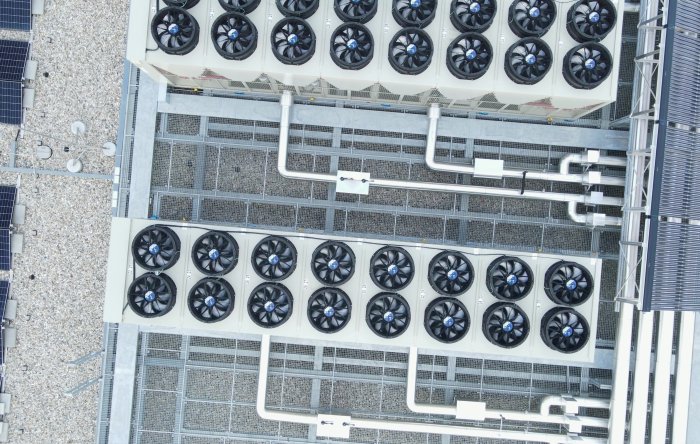
What is the heating system of the future? Technologies in the efficiency check


The energy transition is a done deal, and hardly any topic is moving homeowners and property managers as much as the question: “What comes after oil and gas?” The Inflation Reduction Act (IRA) sets clear incentives, and climate goals demand a shift away from purely fossil fuels.
But uncertainty is high. Is the heat pump the silver bullet? Do gas furnaces still have a future? And what role does combined heat and power (CHP) play in this mix?
Technology is our drive, efficiency is our focus. We at PowerUP are convinced: The heating system of the future is not a single device, but an intelligent system. It is no longer just about getting rooms warm, but about using energy smartly.
In this article, we analyze the most important heating systems for their future viability—from single-family homes to industrial parks.
The Political Framework: What do regulations and the market demand?
The US market is driven by the Inflation Reduction Act (IRA) and state-level electrification codes. The core message is clear: The building sector must drastically reduce its carbon footprint.
- Incentives: There are massive tax credits (ITC) and rebates for heat pumps and high-efficiency systems.
- Bans: Some cities and states (like New York or parts of California) are already restricting natural gas connections in new buildings.
Investing in pure fossil fuel technology without looking ahead is becoming a financial risk due to rising fuel costs and potential carbon taxes. Whoever invests today must think long-term.
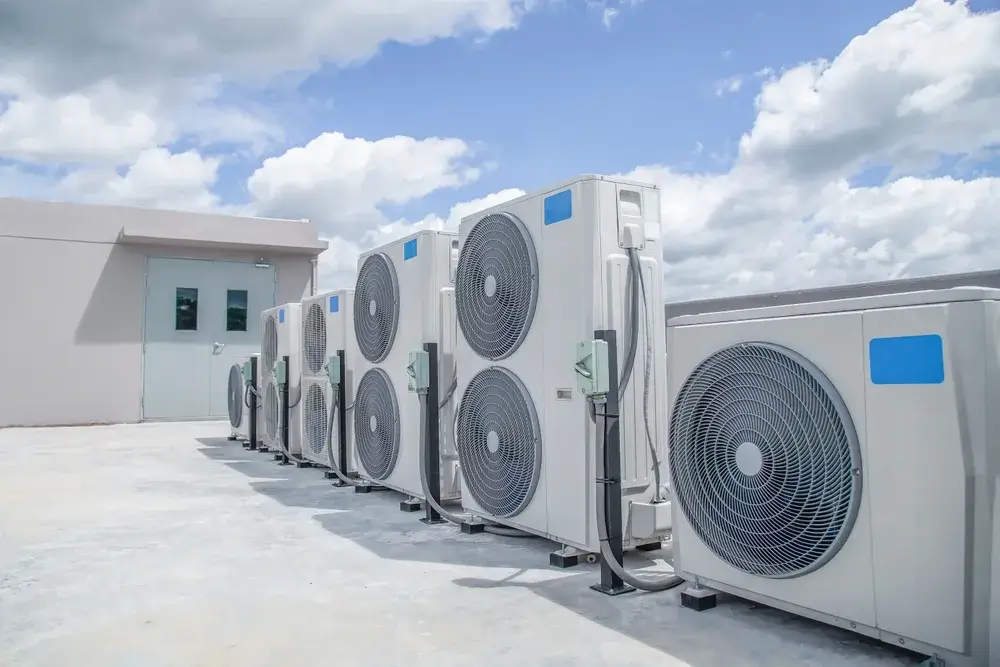
The Standard for New Builds: The Heat Pump
In new construction, one technology has clearly prevailed: the heat pump. It uses environmental heat (from air, ground, or water) and raises it to the required temperature level using electricity.
- Advantage: It is extremely energy-efficient in operation, provided the building’s heat demand is low and the insulation is excellent.
- Synergy: Together with a photovoltaic system (PV) on the roof, operating costs can be minimized, as the electricity for the compressor is self-generated.
The Solution for Existing Buildings: Hybrid Heating (Dual Fuel)
But what happens in an older, uninsulated home? Here, the heat pump often reaches its limits in extremely cold winters, becoming an “electricity guzzler” to maintain temperature.
The solution is often a Hybrid Heating System (also known as Dual Fuel). This system combines a fossil peak load boiler (e.g., a modern high-efficiency gas furnace) with a renewable heat generator like a heat pump.
The furnace only kicks in on freezing days; the rest of the year, the heat pump handles the heating. This “best of both worlds” approach reduces fossil fuel consumption significantly without sacrificing comfort.
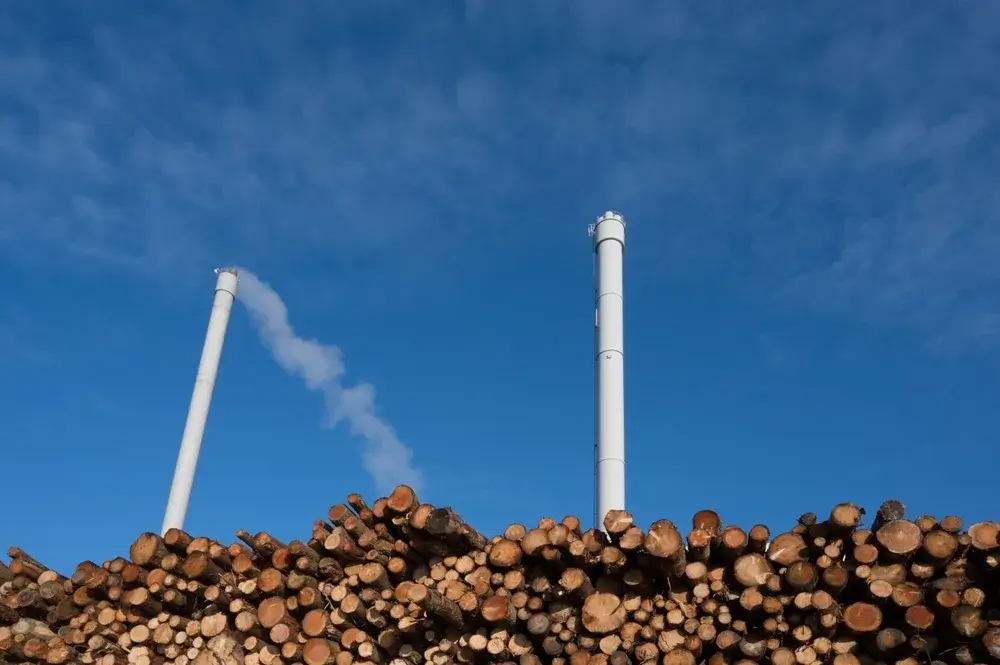
The Efficiency Champion: Combined Heat and Power (CHP)
While the heat pump dominates in single-family homes, the heating system of the future looks different for multi-family complexes, hotels, hospitals, and commercial properties. Here, the hour of cogeneration strikes.
A CHP plant produces not only heat but also electricity. This power generation directly at the point of consumption relieves the public grid exactly when heat pumps and EVs draw a lot of power in winter (stabilizing the grid during peak demand).
- System Utility: A CHP uses the fuel twice (electricity + heat). The overall efficiency is unbeatable.
- Economic Viability: Through self-consumption of electricity (“Spark Spread”), the acquisition costs refinance themselves over the runtime. For larger properties, CHP is often the most economic and sensible answer to the question of heat supply.
Green Gases and Hydrogen: The Future of the Combustion Engine
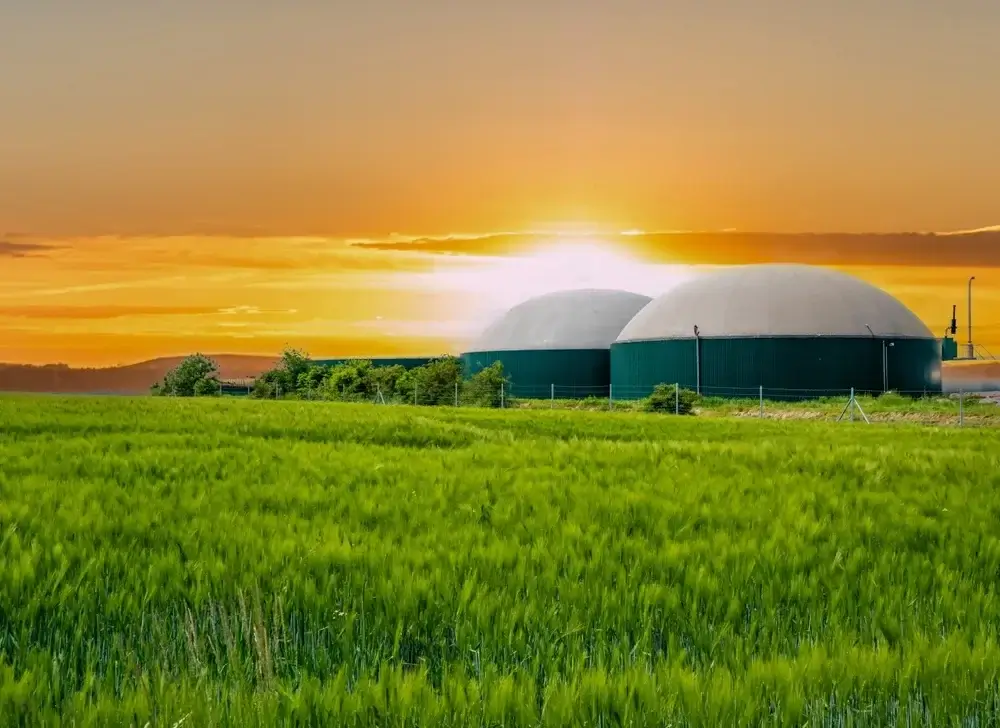
Many heating systems of the future will continue to rely on gaseous energy sources—but these will become green. The gas grid is not being shut down, it is transforming. Biogas, Renewable Natural Gas (RNG), and long-term hydrogen will replace fossil natural gas.
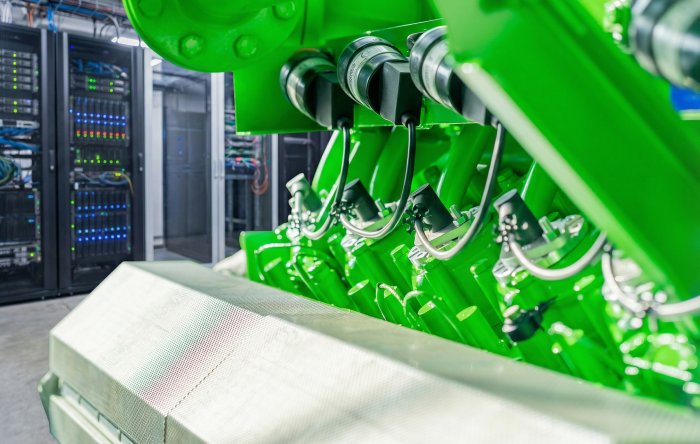
Modern gas engines (like those from INNIO Jenbacher or MWM) are often already “H2-ready”. This means they can handle hydrogen blends. Thus, the heating technology is ready for the energy transition without having to replace the entire infrastructure in the basement.
District Energy: Heating from the Pipeline
In dense urban areas or university campuses, there may be no boiler in the building at all. Connecting to a district heating network often automatically fulfills efficiency requirements. But where does this heat come from?
Often it comes from large, highly efficient CHP plants or industrial facilities whose waste heat is utilized. PowerUP supports exactly these large energy producers (IPPs, utilities) in operating their large-scale engines efficiently so that reliable green heat arrives at the end of the pipe.
Costs and Economic Viability in Comparison
The decision for a new heating system is always a question of cost.
- Heat Pump: High incentives (IRA), but dependent on electricity prices.
- CHP: Higher investment, but revenue through power production (and lower utility bills).
- Hybrid: Good compromise on investment costs for existing homes.
Regardless of the system, a buffer storage (thermal store) and efficient hot water preparation are central to reducing energy consumption. In the end, efficiency decides: Every percent of efficiency saves hard cash on heating costs.
Conclusion: The Future is Connected
There is no single “heating system of the future.” The solution lies in the right technology for the specific building. In new builds, it is the heat pump; in existing buildings, often the hybrid solution.
But for everything larger than a single-family house—from apartment complexes to industrial halls—Combined Heat and Power remains the gold standard of efficiency. It combines supply security with climate protection.
At PowerUP, we ensure that these complex heating systems run. As specialists for gas engines (MWM, INNIO Jenbacher), we know: The best technology is useless without maintenance and high-quality gas engine parts. Rely on longevity and performance—because that is the true currency of the future.