The Ultimate Guide to Jenbacher® Gas Engines

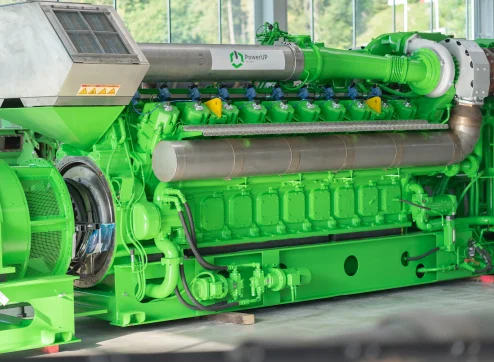
When it comes to reliable and highly efficient power generation, one name stands out in the global energy systems landscape: Jenbacher. These Jenbacher gas engines are renowned worldwide for their robustness and their unique ability to convert various energy carriers into valuable electricity and heat.
However, even the most advanced Jenbacher technology requires deep understanding, precise maintenance, and strategic optimization to deliver peak performance over its entire life cycle.
Whether you operate a biogas plant, ensure stable onsite power as an Independent Power Producer (IPP) utilizing pipeline gas, or manage maintenance in a power plant, profound knowledge is the key to your success.
In this ultimate guide, we dive deep into the world of INNIO Jenbacher engines. We illuminate the historical development of the brand from Austria, analyze the technical refinements of the various generator sets, and show you how to get the maximum out of your plant with the right energy solutions.
As independent experts for the optimization and remanufacturing of these aggregates, we at PowerUP know that an engine is only as good as the service offering that accompanies it. Join us on a journey through power generation, high efficiency, and sustainable progress towards Net Zero.
A Legacy of Innovation – The history of INNIO Jenbacher®
The roots of the Jenbacher Werke go deep into the industrial history of Tyrol, Austria. What is considered a global synonym for gas engine technology today began in the small market town of Jenbach.
Originally focused on diesel engines, the company recognized the potential of natural gas and biogas technology early on. This pioneering spirit laid the foundation for a success story that reaches far beyond the borders of Austria and shaped the way we generate decentralized energy.
In 2003, the acquisition by General Electric (GE) marked a turning point. As GE Jenbacher, the company gained access to global markets and massive resources. However, the evolution did not stop there.
In 2018, the INNIO Group was formed, which today includes the renowned brand Waukesha alongside Jenbacher. The INNIO Jenbacher GmbH today stands for innovative technology and technological leadership in power generation. This history is proof of consistent quality. Anyone operating Jenbacher engines utilizes the result of decades of engineering art from Austria.
The History of INNIO Jenbacher® – Innovation born from Tradition
From Jenbacher Werke in 1959 to the INNIO Group today: Discover how the shift to gas engines changed power generation. Keep your generator sets running with PowerUP.
Performance and Technology: How do Jenbacher engines work?
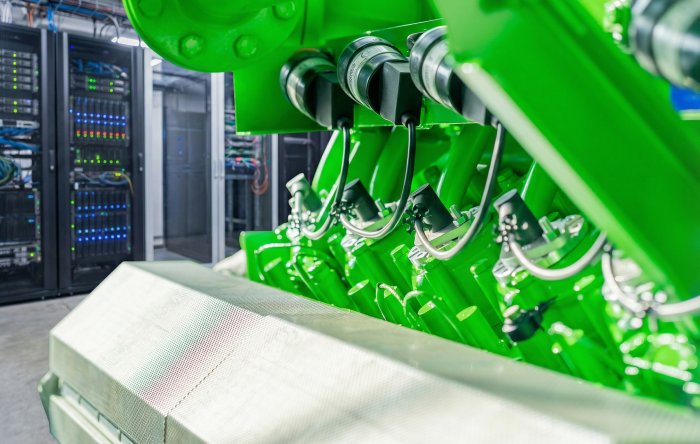
The heart of every Jenbacher gas engine is the efficient conversion of chemical energy into mechanical work and finally into electricity. Unlike conventional combustion engines, these generator sets are specifically optimized for operation with gaseous fuels like natural gas, biogas, or syngas.
Efficiency plays the decisive role in power generation. Through modern combustion processes and precise control systems, Jenbacher motoren achieve extremely high fuel utilization. This means for operators: More output with lower gas input, which directly increases the profitability of the power plant.
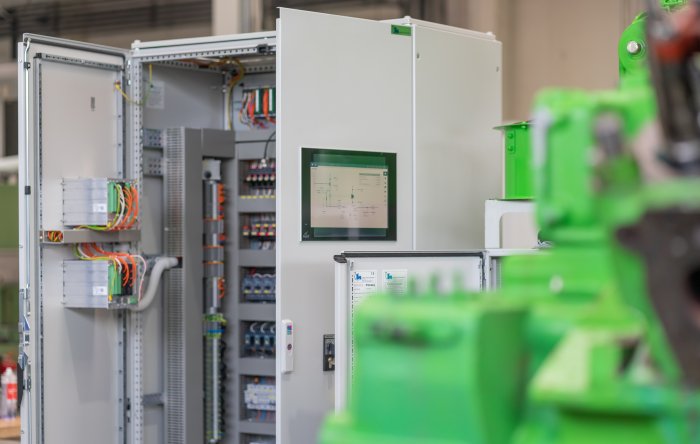
A significant factor for power generation and longevity is the monitoring of the machines. Systems like MyPlant from INNIO offer digital insights into the engine condition. But innovative technology alone is not enough—it must be understood and maintained.
The Jenbacher engines cover a broad performance range and are designed to run stably even under demanding conditions. Efficiency is a central focus of modern energy systems, and this is exactly where INNIO’s Jenbacher technology comes in: It delivers energy with high precision.
A Comprehensive Guide to Jenbacher® Gas Engine Series
The product range of Jenbacher gas engines is as versatile as the requirements of the operators. From compact solutions for smaller biogas plants to massive cogeneration facilities, the OEM portfolio covers every need.
It is crucial to choose the right engine for the specific project to optimally coordinate electrical output and thermal utilization. In the following, we provide a detailed overview of the individual series (Jenbacher Type) that are in use worldwide.
Compact Reliability: Inside the Jenbacher® Type 2
The Type 2 series is the entry into the world of Jenbacher engines (approx. 250 to 350 kW). It is characterized by its compact design and extreme robustness. Since no component handling by heavy lifting gear is required, it is excellently suited for decentralized power generation in smaller plants.
The outstanding feature of this series is its high service life combined with simple maintenance. It is frequently found in smaller biogas plants or sewage treatment plants where reliability is paramount.
The Global Standard: Inside the Jenbacher® Type 3 series
The Jenbacher Type 3 is a true classic and proven thousands of times worldwide. With a power range of approx. 500 to 1,100 kW, it offers a technical maturity that is unparalleled. These Jenbacher gas engines are known for their reliability even with difficult gas qualities like landfill gas.
Inside the Jenbacher Type 3 series, you will find excellent component strength and long maintenance intervals. It serves as the backbone of many agricultural biogas plants and municipal utilities that rely on consistent cogeneration.
High Efficiency Class: Inside the Jenbacher® Type 4 series
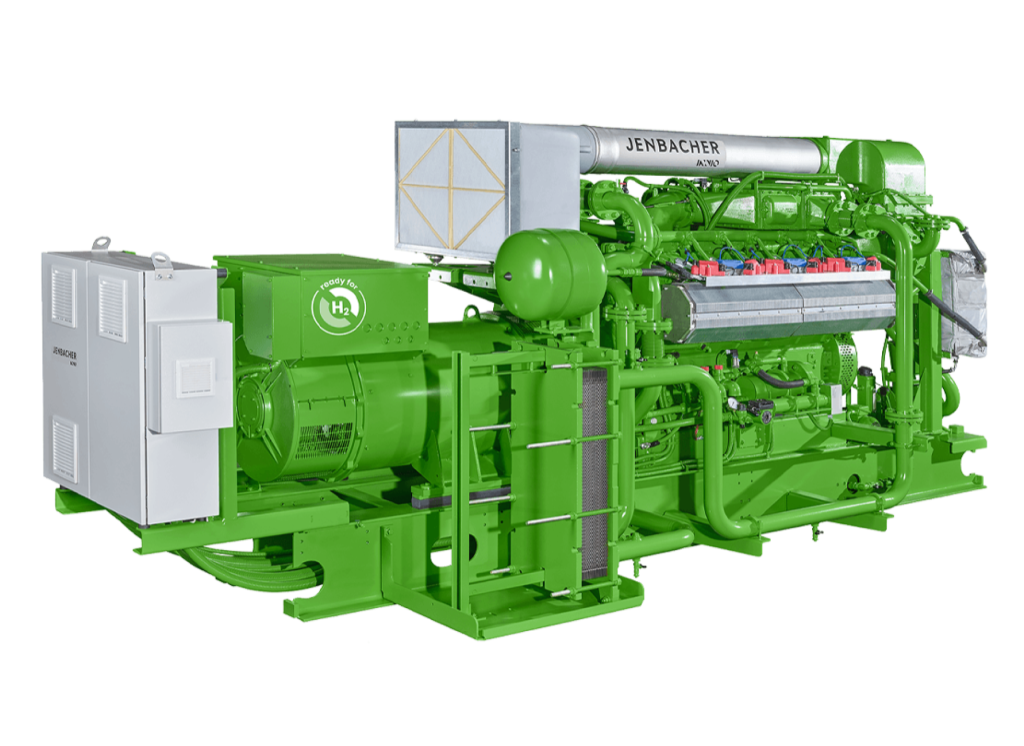
When it comes to high power density with simultaneously excellent efficiency, the Jenbacher Type 4 series is the benchmark (approx. 800 to 1,500 kW). These Jenbacher engines offer an excellent balance and are technologically highly developed. They were trimmed for maximum electrical efficiency in power generation.
Inside the Jenbacher Type 4 series, the focus is on high efficiency in its performance class. This makes it ideal for plants that need a higher electricity yield but still need to be built compactly, such as greenhouses or industrial operations using natural gas or biomethane.
The Powerhouse: Inside the Jenbacher® Type 6 series
The Jenbacher Type 6 (approx. 1,800 to 4,500 kW) is the muscle for major projects. It offers an enormous power density and is technologically designed to deliver large amounts of energy constantly and reliably. The pre-chamber combustion technology ensures maximum efficiency for INNIO Jenbacher aggregates.
Inside the Jenbacher Type 6 series, flexibility meets enormous power, that’s why it is often the heart of large power plants. Independent Power Producers (IPPs), large cogeneration plants, and industrial large-scale consumers rely on this type.
The Next Level: Inside the Jenbacher® Type 9 (J920 FleXtra)
The Type 9 is the flagship and ventures into dimensions that were previously reserved for large power plants (up to 10,400 kW). The J920 FleXtra impresses with an electrical efficiency of over 50%—a peak value in the industry.
With its two-stage turbocharging, it sets new standards in power generation. It is primarily used for grid stabilization, in large municipal utilities, and massive energy projects where maximum output is required.
Powering Progress – A Comprehensive Guide to Jenbacher® Gas Engine Series
From the compact Jenbacher Type 2 to the massive J920 FleXtra: Find the right gas engine for your power plant. Maximize efficiency with PowerUP.
Versatility in Action: The Range of Gases for Jenbacher® Gas Engines
One of the greatest strengths of the Jenbacher fleet is its fuel flexibility. It almost doesn’t matter which fuel is available—there is a solution for it. The classic is, of course, natural gas, which is used worldwide due to its clean combustion and availability. But the trend is clearly moving towards sustainability and independence.
Here, diverse energy carriers come into play. The Jenbacher engines are specifically designed to cope with the fluctuating gas qualities of renewable gases. The range of gases for Jenbacher includes:
- Biogas: Ideal for agriculture to generate sustainable energy from residues.
- Landfill gas & Sewage gas: Transforms waste products and gases from wastewater treatment into valuable resources.
- Biomethane: Processed biogas that reaches natural gas quality and offers maximum flexibility in the grid.
- Pipeline gas & Syngas: Reliable operation even with special gases.
This versatility makes the Jenbacher gas engines a crucial building block for the energy transition and secures your economic success, regardless of the energy sources used.
Essential Applications: From CHP to Grid Stabilization
The application possibilities are as diverse as the Jenbacher technologies themselves. The aggregates work most efficiently in Combined Heat and Power (CHP). In such a CHP plant or a cogeneration system, not only electricity is generated, but the waste heat of the engine is also used for heating purposes or industrial processes. This drives the total efficiency of the power plant up and ensures maximum profitability.
Furthermore, the engines play a central role in emergency power supply and microgrids. In times of unstable grids, the ability for island operation is vital for hospitals, data centers, or critical infrastructure.
With the goal of Net Zero in view, these decentralized energy solutions are becoming increasingly important to balance fluctuations in the power grid and ensure a secure supply. INNIO Jenbacher engines are often the reliable backbone here, starting up when everything else fails.
Revitalizing Power — The Strategic Value of Engine Rebuilds
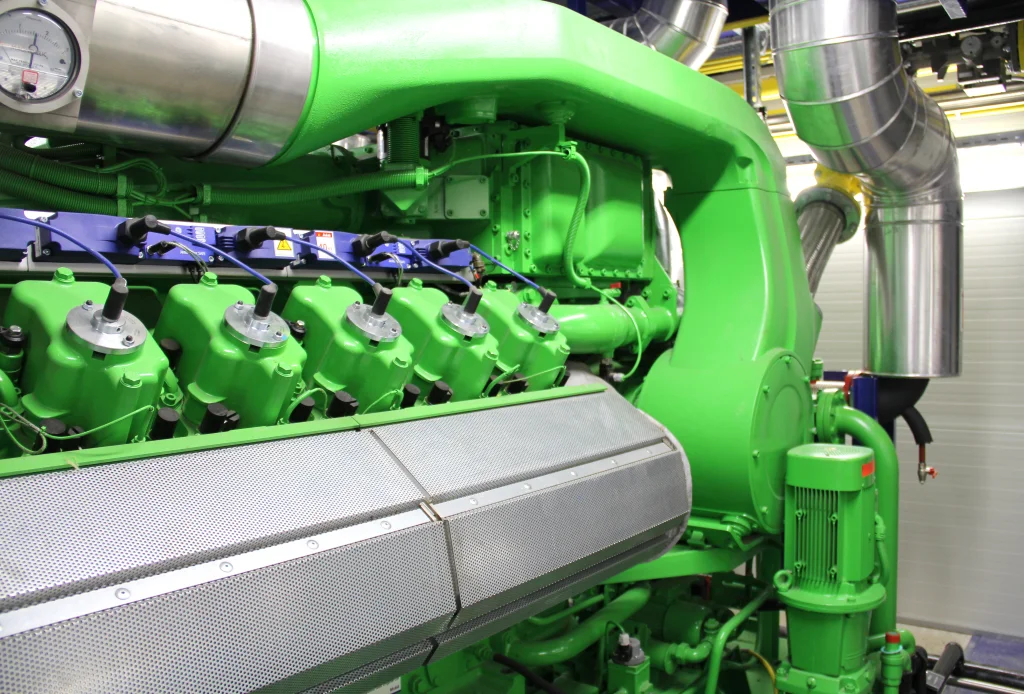
Every Jenbacher engine reaches a pivotal moment in its life cycle where routine maintenance is no longer sufficient. Usually around 60,000 operating hours, operators face a critical decision: invest in a new engine or opt for a general overhaul, known as remanufacturing.
A “rebuild” is often the smarter and more sustainable alternative. It involves more than just repairs; it is a comprehensive revitalization where core components like the engine block are retained, while wear parts are replaced with high-precision spare parts.
This process not only restores the engine to its original performance but can often exceed OEM specifications through the integration of innovative technology.
The Benefits of Remanufacturing:
- Cost Efficiency: Rebuilding an engine is significantly more affordable than purchasing a new generator set.
- Sustainability: Reusing the heavy cast-iron components reduces the environmental footprint, aligning with Net Zero goals.
- Performance Upgrades: Modern components, such as optimized cylinder heads or advanced spark plugs, can increase the electrical efficiency of older Jenbacher motoren.
Specialized independent service providers have established themselves as key players in this sector. By understanding the specific needs of biogas plants and IPPs, independent experts can often offer more flexible and cost-effective energy solutions than traditional channels, ensuring the engine runs efficiently for another full life cycle.
Your Partner for Gas Engine Optimization
Reliable operation and high availability are the cornerstones of successful power generation. PowerUP stands by your side as an experienced partner to support the profitability of your plant. Whether you act as a distributor or operate the plant yourself, our focus is on practical energy solutions that offer you real alternatives.
We offer high-quality spare parts and components that were developed suitable for Jenbacher and MWM engines. Our general overhauls (Rebuilds) and remanufacturing services are a resource-saving option to maximize the life cycle of your engine.
With targeted upgrades and modernization, we support you in keeping your existing energy systems technically up to date with the latest technologies. Our international service network ensures fast and competent support worldwide.
We invite you to see our service offering for yourself. Check out our case studies to see how we help operators like you optimize the operation of their gas engine.