8 examples of natural gas as a fuel source

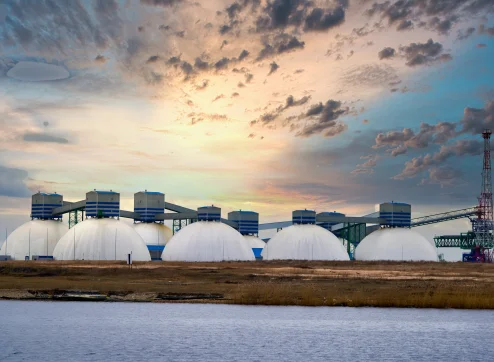
Natural gas plays a major role in today’s energy systems. It is a flexible and widely available fuel that supports homes, businesses, industry, and transport. Thanks to its relatively low emissions compared to coal or crude oil, natural gas is often considered a transitional energy source helping bridge the gap to renewables.
In this article, we highlight eight real-world examples that show how natural gas as a fuel source is used across different sectors. We also look at where it comes from, including methods like hydraulic fracturing, and explore why energy efficiency matters more than ever. Finally, we explain how systems powered by natural gas can be improved to support more responsible energy use.
Different uses of natural gas as a fuel source—from households to industries
Before we look at the applications, it is important to understand the origin. Natural gas production starts deep underground. Geologists locate gas deposits trapped in porous rock formations. This fossil fuel consists mainly of methane but also contains natural gas liquids like ethane, propane, and pentanes.
In the past, accessing these reserves was difficult. Today, technologies like fracking allow us to tap into shale gas and tight gas reserves. This process involves high-pressure fluid injection to release the gas. Other sources include coalbed methane, which is found in coal seams.
Once extracted from the natural gas well, the raw gas goes to processing plants. Here, impurities like water vapor and sulfur are removed. The clean gas then travels through pipelines to reach the gas market.
Global Giants and the market
The availability of this resource varies by region. Countries like Russia, Canada, and Qatar hold massive natural gas reserves. In the United States, the U.S. Energy Information Administration (EIA) tracks production and consumption data meticulously. This global gas supply network ensures that electric power can be generated reliably even when local renewable sources fluctuate.
8 real-world uses of natural gas
Natural gas is versatile. From everyday applications in households to large-scale industrial operations, it serves as a dependable fuel.
The following examples illustrate its importance:
1. Electricity generation
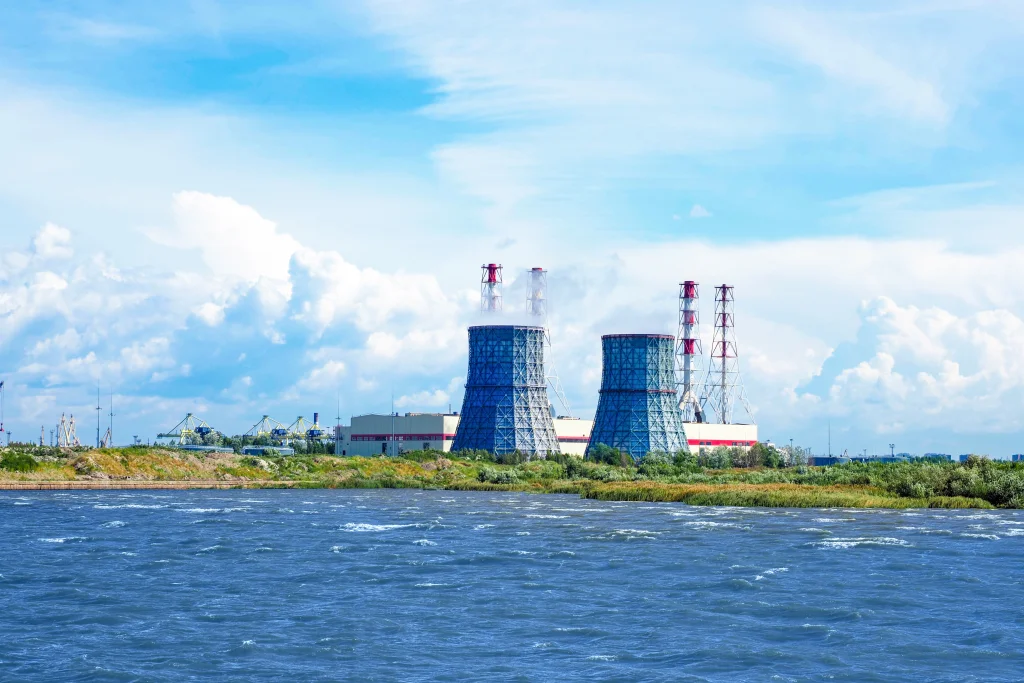
Natural gas powers a significant share of global electricity production. In gas-fired power plants, it is used to drive turbines that generate electricity for national or regional grids.
Modern Combined Cycle Gas Turbines represent the gold standard for efficiency. They utilize both a gas turbine and a steam turbine to capture maximum energy from the fuel.
This technology allows for lower emissions per kilowatt hour compared to coal plants. Furthermore, simple cycle plants provide critical support during peak demand times. They can ramp up production rapidly when the grid is under stress or when renewable sources like wind and solar are not producing enough power.
2. Combined Heat and Power (CHP)
Also known as cogeneration, CHP systems produce both electricity and useful heat from the same source of energy. This is one of the most efficient ways to utilize natural gas.
In a standard power plant, a large portion of the energy is lost as waste heat. A CHP system captures this thermal energy from the exhaust gas and engine cooling water.
This recovered heat is then used for industrial processes, district heating, or warming large facilities like hospitals and universities. By utilizing the fuel twice, these systems can achieve total efficiency ratings of up to 90 percent. This drastically reduces the carbon footprint and operational costs for the facility.
3. Industrial process heating
Many industrial processes require high-temperature heat that must be precise and controllable. Examples include the production of glass, steel, cement, and ceramics. Natural gas offers a clean-burning and reliable option that integrates well into existing manufacturing lines.
Unlike solid fuels, gas allows for exact temperature regulation, which is critical for product quality in metallurgy and chemical manufacturing. The combustion produces very few particulates, which prevents contamination of sensitive products like food or pharmaceuticals during drying processes.
4. Fuel for transport
The gas industry has expanded significantly into the mobility sector. Compressed natural gas (CNG) is widely used to power public buses, waste collection trucks, and logistics fleets in urban areas. It offers a quieter and cleaner alternative to diesel engines.
For heavy-duty transport such as long-haul trucks and maritime shipping, Liquefied Natural Gas (LNG) is the preferred choice. LNG has a higher energy density, which allows for longer ranges. These natural gas vehicles emit significantly less carbon dioxide and nitrogen oxides than their diesel counterparts, which helps cities improve air quality.
5. Residential heating
Gas-powered boilers and furnaces are standard in many regions with established infrastructure. The continuous supply via pipelines ensures homes stay warm without the need for on-site storage tanks or scheduled fuel deliveries.
Modern condensing boilers utilize natural gas with extremely high efficiency. They capture heat from the flue gas that would otherwise escape up the chimney. This reliability and comfort make natural gas a preferred choice for heating water and living spaces in millions of households worldwide.
6. Commercial cooking
Professional chefs and commercial kitchens prefer gas for its instant heat control. Unlike electric stoves, which take time to heat up and cool down, a gas flame responds immediately. This precision is vital for complex cooking techniques.
Using natural gas is also cost-effective for restaurants, hotels, and large catering facilities that consume massive amounts of energy for food preparation. The robust nature of commercial gas equipment ensures it can withstand the high demands of a busy kitchen environment.
7. Backup power generation
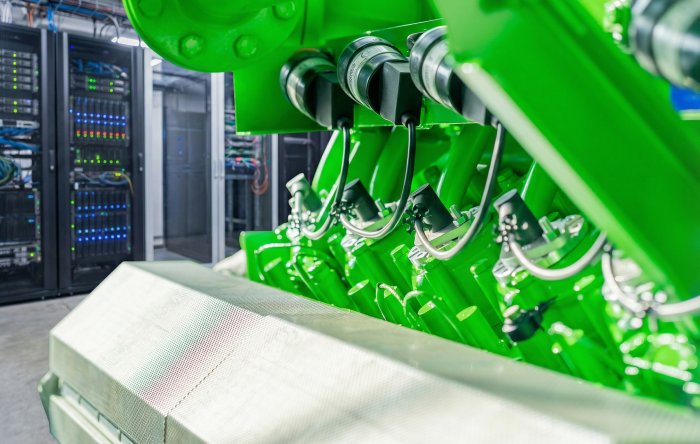
For critical infrastructure like hospitals, data centers, and airports, reliability is non-negotiable. A power outage can have life-threatening or financially disastrous consequences. Natural gas generators ensure continued operation during grid outages.
Compared to diesel backup systems, natural gas generators offer several advantages. The fuel supply is continuous via the underground pipeline network, which eliminates the risk of running out of fuel during extended outages. Additionally, natural gas does not degrade over time like diesel stored in tanks, which reduces maintenance requirements.
8. Decentralized energy systems
In remote locations or areas with unstable grids, gas engines run alone or in hybrid microgrids. This setup balances energy supply and supports grid resilience in rural areas or island communities.
These decentralized systems allow industries and communities to generate their own power independently from the main grid. By combining gas engines with battery storage and solar panels, operators can create a robust and flexible energy system. This approach increases energy security and protects against price fluctuations in the central power market.
Where is natural gas found?

Efficiency matters for the climate
While natural gas is a hydrocarbon, its environmental impact depends heavily on how efficiently it is used. It produces fewer greenhouse gas emissions than coal, but it is still a carbon-based fuel.
To fight climate change, we must maximize the energy output from every cubic meter of gas. High-performing engines and smart monitoring play a role in making these systems cleaner.
Furthermore, the infrastructure built for natural gas is becoming a gateway for renewable energy. Biomethane produced from organic matter or landfill waste can be injected into the grid. This renewable natural gas creates a path toward a clean energy future without discarding existing assets.
PowerUP — solutions for efficient gas engine operation
At PowerUP, we help ensure that gas-powered systems—from CHP units to backup engines—operate at their highest potential. We focus on reliability, performance, and long-term efficiency to support more sustainable energy use.
Our services include:
- Upgrades and tuning that improve combustion and reduce emissions
- Condition-based overhauls to extend the service life of critical components
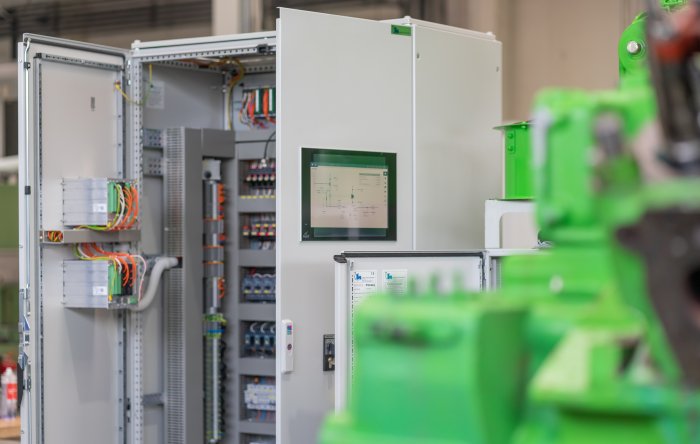
- Remote monitoring and diagnostics for early fault detection and performance optimization
- Precision parts and engineering tailored for real-world operating conditions
We offer solutions suitable for Jenbacher®, MWM®, Caterpillar®, MAN®, and other manufacturers. Whether natural gas is used in a centralized plant or a decentralized microgrid, making the most of every fuel molecule is essential. PowerUP supports this with solutions that help energy systems run smarter and more efficiently.